
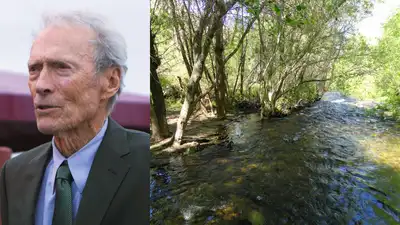
The project was designed to give floodwater more room to spread across the former agricultural fields during major storms | Wikimedia Commons
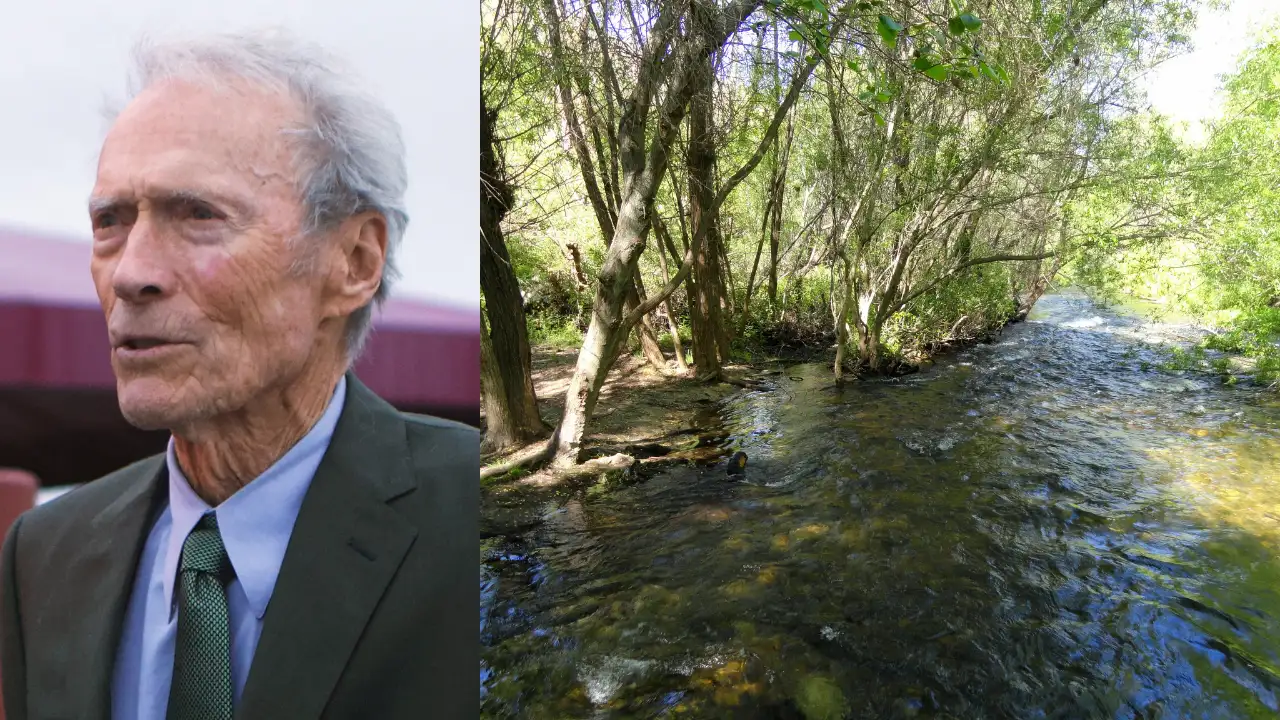
Clint Eastwood and his former wife Maggie donated 79 acres of land along California’s Carmel River to the Big Sur Land Trust in 2016. The land lies east of Highway 1 and south of the Carmel River Bridge, and became part of a planned $25 million project that aimed at restoring the river’s floodplain, improving wildlife habitat and creating a public trail that links the coast with inland open space. The project was designed to give floodwater more room to spread across the former agricultural fields during major storms | Wikimedia Commons It was the second Eastwood land donation In 1997, the Eastwoods had donated 49 acres of the Odello property to the Big Sur Land Trust, and the later 79-acre gift added another large section of the former agricultural land to the conservation project. Big Sur Land Trust’s 2016 annual report said the donation at Odello East was a major step for what it called the Carmel River Floodplain Restoration and Environmental Enhancement, or Carmel River FREE, project. The organization’s records described a planned 100-acre mosaic of restored habitats, which included wetlands, grasslands, willows and cottonwoods. A floodplain that is designed to take stormwater The project was designed to give floodwater more room to spread across the former agricultural fields during major storms, and there were plans to remove nearly 1,500 feet of levee along the south side of the river and create multiple channels through the floodplain. The project also included replacing part of the Highway 1 embankment with a longer, taller bridge so water could move more freely between the floodplain and the Carmel Lagoon. A trail connecting the coast and open space Once the project was completed, a trail was planned to run between Carmel River State Beach and Palo Corona Regional Park, and KAZU reported in 2016 that the trail would give visitors access to thousands of acres of open space.
The landscape would be changed completely so that water could occupy parts of the floodplain when river levels rose, instead of keeping stormwater away from the fields through engineered barriers. The project therefore combined several uses for the same landscape, such as flood storage during major storms, wetland and river habitat, agricultural preservation and public recreation. Eastwood said floodwaters would be able to cross the property and reach the ocean instead of moving into nearby neighborhoods, when the donation was announced. KAZU reported that the project was intended to reduce the risk of another major flood like the one that affected the Carmel area in the mid-1990s.
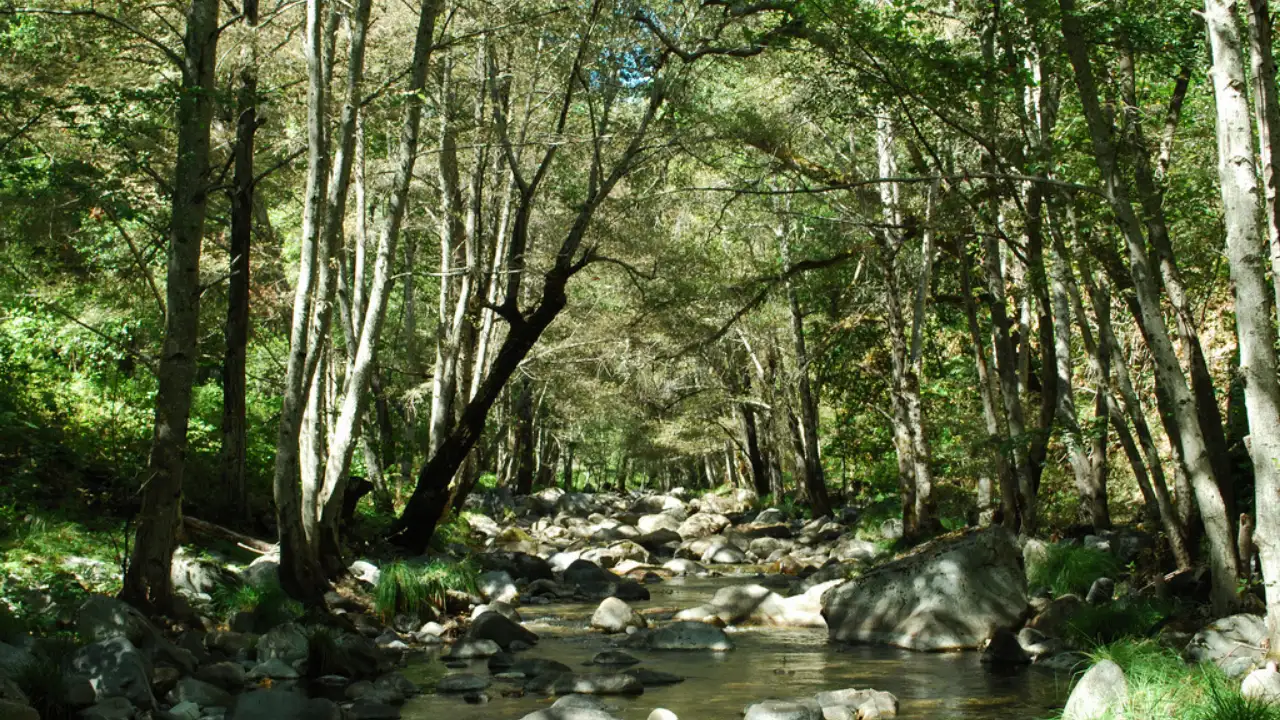
Big Sur Land Trust’s project documents said the restored areas would include native vegetation that could support steelhead trout, birds and other wildlife. Wetlands and wildlife habitat The project also aimed at restoring riparian and wetland habitat along the lower Carmel River and Carmel River Lagoon. A portion of the wider project area was also planned as an agricultural preserve, and the restoration would change how the former farm fields functioned during wet winters. Big Sur Land Trust’s annual report similarly described the trail as a connection between the coast and Palo Corona, alongside the habitat restoration work. Carmel River in the Ventana Wilderness | Wikimedia Commons The project remains under development
The property had earlier been used for farming, and the restoration plan aimed at returning portions of the floodplain to a more natural state instead of keeping the river confined by its existing levees.
The original 2016 announcement said the $25 million project was expected to be completed by 2020, but that deadline was not met. Big Sur Land Trust’s current project page says Carmel River FREE is now in the final stages of design and pre-construction coordination, and also says that the project has about $25 million in grant funds and is awaiting a Federal Emergency Management Agency grant before construction can begin. The 128-acre project site now includes land donated by the Eastwoods as well as portions of Palo Corona Regional Park and Carmel River State Beach. The Eastwoods’ 79-acre donation is still the largest privately contributed piece of the Odello East site and forms part of the land on which the floodplain restoration is planned.
Catch the latest World News and Live updates. Download the TOI app.