
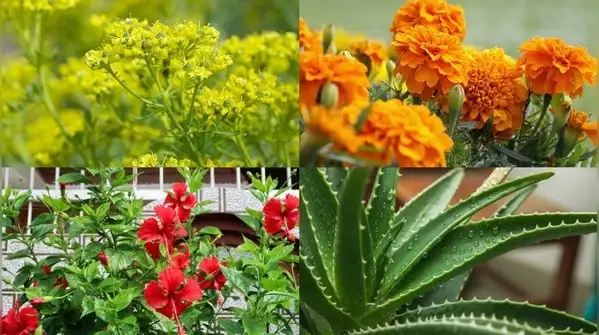
Long before pharmacies and supplement aisles, Indian households relied on a handful of plants growing right in their courtyards for everyday remedies: a tulsi leaf for a cough, a dab of aloe for a burn, a cup of ginger-mint tea for an upset stomach. That tradition hasn’t actually gone anywhere; it’s just been waiting for a sunny balcony corner to grow in again. Many of these plants come straight out of centuries-old Ayurvedic texts, and while it’s worth being clear that traditional use isn’t the same as a guaranteed cure, quite a few of them have also drawn genuine modern scientific interest in recent years. Here are ten worth growing at home.
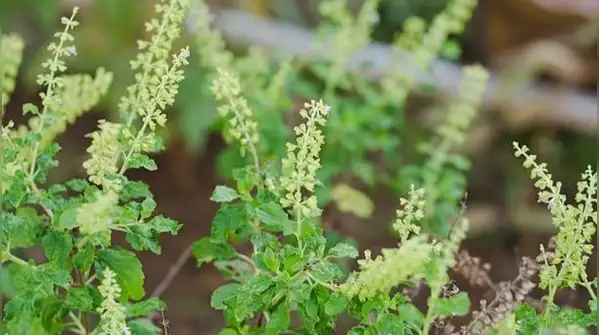
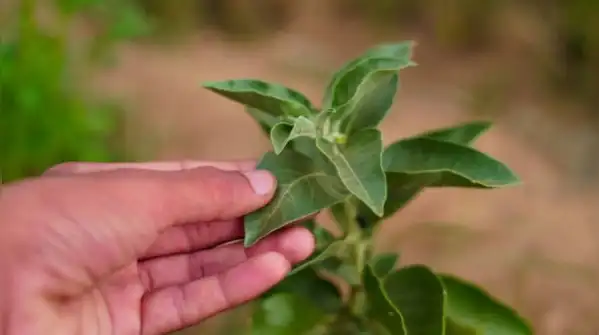
Ashwagandha has been part of Ayurvedic and indigenous medical systems for roughly 3,000 years, traditionally used to ease stress, support immunity, and aid sleep, its Latin species name, somnifera, literally means sleep-inducing. It’s a hardy, upright plant that tolerates fairly dry conditions once established, making it genuinely forgiving for a balcony setup. Traditionally, it’s the root that’s dried and powdered for use, though the plant itself is easy enough to grow purely for the experience of having it at home. Aloe vera is genuinely one of the easiest plants on this list to keep alive, and its most well-known traditional use, the gel inside its leaves applied to minor burns and skin irritation, remains one of the most widely practised home remedies in Indian households. It thrives on neglect, needing only bright light and infrequent watering, making it a forgiving first choice for anyone new to growing something with an actual practical use beyond decoration. Mint’s cooling, digestive properties are so well established in everyday Indian cooking that its medicinal role sometimes gets overlooked entirely. Traditionally used to ease indigestion and freshen breath, it’s also one of the easiest herbs to grow, rooting readily from cuttings in either soil or water, and tolerating a wide range of light conditions with minimal fuss. Lemongrass brings a citrusy, calming quality to both the garden and the kitchen, traditionally used in teas for digestive comfort and relaxation. It’s an exceptionally low-maintenance grass-like plant, spreading readily in a wide pot and tolerating inconsistent watering far better than more delicate herbs, making it one of the more forgiving additions to a beginner’s medicinal balcony garden.