About 600 oak trees were eventually used to build the Globe.
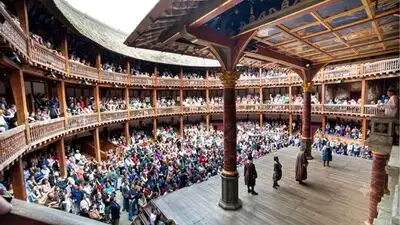
Shakespeare’s Globe in London is preparing for a major roof replacement nearly 30 years after the reconstructed theatre opened. The project will require about 14,000 bundles of reed for the new roof. London has had a law against thatched buildings since the Great Fire of 1666, according to the Globe. The theatre was built using traditional materials and methods, with more than 1,000 English oak trees measured during construction. About 600 oak trees were eventually used to build the Globe. When the Globe was built, about 6,000 bundles of reeds from Norfolk were used for its thatched roof. The theatre notes that Norfolk’s reed beds produce about 4,000 bundles a year, meaning the original roof required around a year and a half of reed supply. The reconstructed theatre first hosted a performance in 1993, although the building was still under construction at the time. Today, Shakespeare’s Globe can hold about 1,500 people, around half the capacity of the original Globe.
Because shakespeare’s Globe already has a thatched roof and has special permission to have one, the use of thatch is significant. The roof is therefore not simply a covering for the theatre. Because people today are bigger and modern audiences are less willing to stand closely packed together, the theatre says this difference is partly.
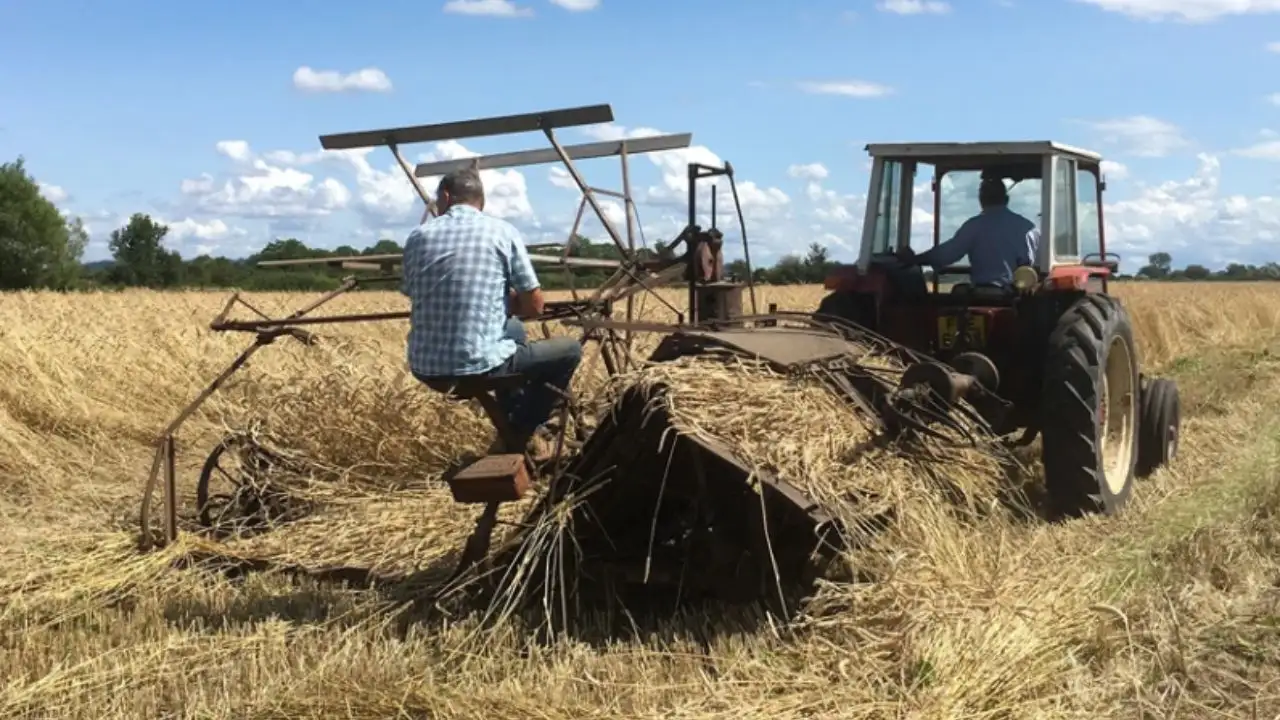
Historic England says these pressures have left traditional thatching material production vulnerable. The work will use traditional thatching methods rather than modern roofing materials, keeping the building’s historic character intact. The reconstruction of the Globe was the idea of American actor Sam Wanamaker, rather than London’s mayor or the government. Thatch is part of how the reconstructed Globe was designed to reflect the appearance and construction of the original building. The replacement project will continue that approach, using reed instead of replacing the traditional roof with a modern material. Reed is one of the traditional materials used for thatched buildings in England. Traditional thatching materials, skills and techniques are important for maintaining the local character of historic buildings and areas. The availability of good-quality cereal straw and water reed is a key part of maintaining traditional thatching. However, producing these materials has become more difficult over time. Since the Second World War, materials and labour have become more mobile, while building techniques have also become more standardised. This has weakened some regional traditions. At the same time, the use of imported water reed from Eastern Europe and elsewhere increased. This was followed by a decline in UK production of water reed for thatch. The greater use of imported reed also reduced the market for thatching straw, as some thatchers considered imported water reed a more reliable alternative. These changes have created challenges for the traditional thatching industry. Producers now face issues including poor harvests, old machinery and uncertain seasonal labour supplies. The Globe’s roof replacement comes as efforts are also being made to support the supply of traditional thatching materials in England. Historic England’s Traditional Thatch Project aims to support the production and use of good-quality indigenous thatching materials. The project is intended to create a more predictable and consistent supply and support the long-term sustainability of traditional thatching. As part of its work, Historic England has studied the problems faced by producers of thatching straw and water reed. It has also worked with growers and producers to understand what is already being done and what further steps could help increase the supply and resilience of these materials. The organisation has also looked at the machinery used to produce thatching straw. Unlike ordinary cereal straw, thatching straw cannot be harvested using a modern combine harvester. Some producers have tested changes to machinery and harvesting methods, but many still depend on traditional machines that are no longer produced. These machines can require significant maintenance, while finding spare parts can also be difficult. Improving harvesting and processing could make production safer, less labour-intensive and more financially viable. More efficient harvesting could also reduce the impact of adverse weather and ease pressure caused by labour shortages. The use of reed at Shakespeare’s Globe follows the theatre’s original approach to its reconstruction. The building itself contains several other features based on traditional construction. Its walls were made using plaster containing goat hair, while the bricks in its foundations are copies of Tudor bricks. The Globe also has two large pillars on its stage, each made from a single oak tree. Builders had to measure many trees to find two that were the right size. That first performance was in German. Safety regulations have also changed. Catch the latest World News and Live updates. Download the TOI app.
Before the middle of the 20th century, most thatching materials were sourced locally.