
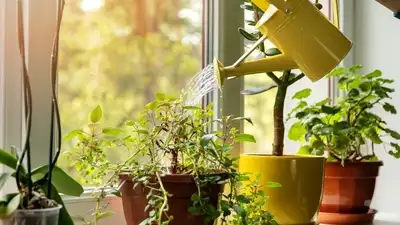
Can AC water be used for plants? How to safely reuse household water in your garden
Because of how it’s made, it usually has fewer minerals and chemicals than tap water. Every summer, if you listen closely, you can almost hear the steady drip from thousands of air conditioners working across the city. Most people don’t think twice about it: the water runs off, down the drain, gone without a second thought. But gardeners, and anyone a bit curious, have probably wondered: is that water actually usable? Can you pour it on your plants without worry? And if so, how do you make sure you’re not causing more harm than good? First off, let’s get clear on what this water actually is. When warm, humid air passes over the cold coils in your air conditioner, the moisture condenses, drips down, and collects somewhere; sometimes in a pan, often piped outdoors. That water forms from the air inside your home, not from the pipes carrying potable water. For most garden or indoor ornamentals, it works just fine. Actually, some plants prefer water without a heavy load of minerals, and using AC condensate can actually prevent mineral buildup in the soil and on leaves. In fact, the University of Minnesota Extension notes that some plants, including calatheas, benefit from filtered or distilled water rather than hard tap water to avoid mineral spotting.
Here’s where you need to slow down: food crops. Before you water your tomatoes, strawberries, or backyard basil with AC water, consider the risks. Even clean-looking water can hide bacteria, metals, or trace contaminants, especially if the collection system hasn’t been scrubbed in a while. The safest bet is to stick to ornamentals, where the stakes are lower. Think of it like this: use the ‘questionable’ water for your roses, marigolds, or trees, and leave drinking or salad greens for safer, tested sources. This same caution applies to any kind of household water reuse. Greywater, like what drains from showers, baths, or washing machines, can be a handy source for watering lawns or hardy plants, but it brings its own baggage. Unlike AC water, greywater can hold soaps, detergents, and more. That makes it riskier for food plants and soils. That’s why greywater needs considerably more care than AC water. Long-term greywater use can also change the makeup of your garden soil, making it more alkaline or salty over time, which isn’t always ideal.