Image: Left/Canva/Right/USFWS
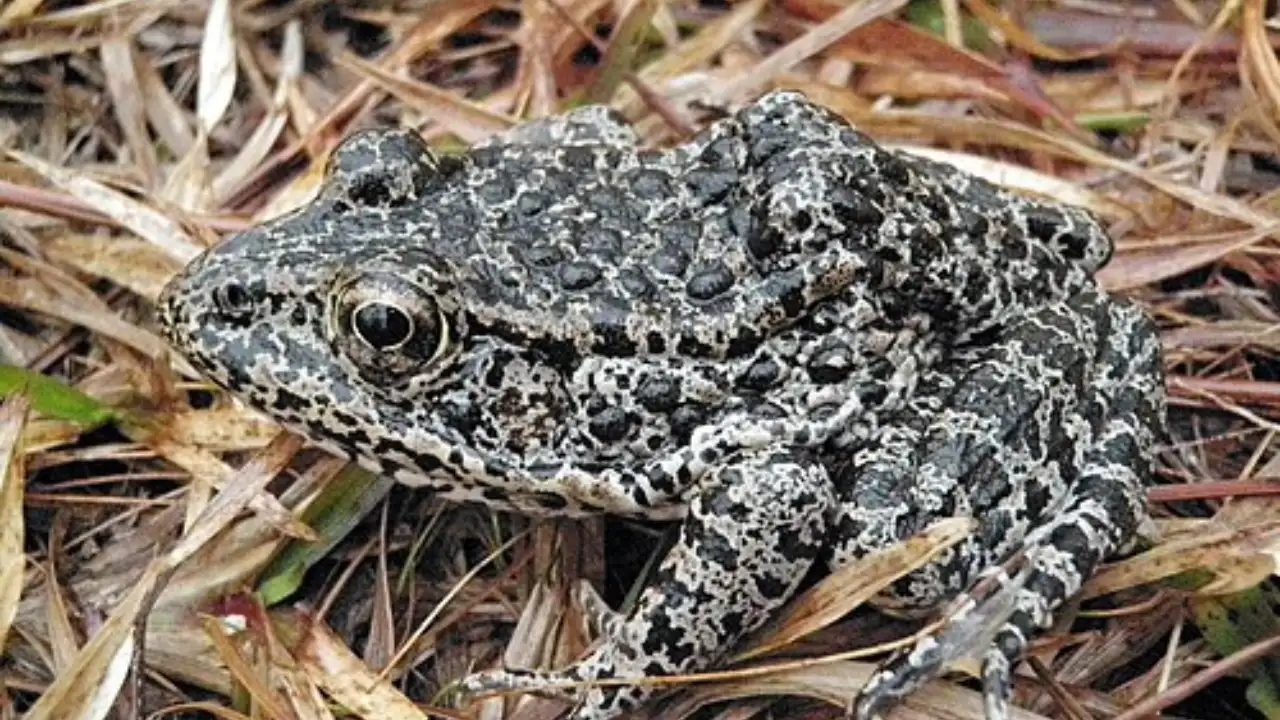
In June 2026, nearly 500 federally endangered dusky gopher frogs were released into ponds at Woodland Cottage, a private property owned by Jim and Laura Currie. Between 1988 and 2004, only one known population remained, restricted to a single pond in the De Soto National Forest in southern Mississippi. More than 20 years ago, the couple partnered with the US Fish & Wildlife Service’s Partners for Fish and Wildlife Program, Wildlife Mississippi and the US Department of Agriculture’s Natural Resources Conservation Service to improve habitat for gopher tortoises. Gopher tortoise burrows can shelter more than 300 other species, including dusky gopher frogs, while the restored landscape benefits pollinators, migratory birds, wild turkeys and bobwhite quail. The dusky gopher frog (Rana sevosa) is a federally endangered amphibian (Image: Wikipedia) In June 2026, conservation partners gathered at Woodland Cottage for a significant step in the recovery of the dusky gopher frog. Nearly 500 frogs, which had been reared in captivity by the Memphis Zoo, were released into multiple ponds across the Curries’ private property. Since 1987, the program has worked with more than 25,000 landowners on over 40,000 projects, restoring more than six million acres of forest, prairie, wetland and stream habitat. Nearly 70% of land in the United States is privately owned, making landowners important partners in maintaining wildlife habitat outside public reserves.
The release therefore combined captive breeding, reintroduction and long-term ecosystem management. The nearly 500 frogs released in Mississippi are therefore more than a striking conservation statistic.
The US Fish & Wildlife Service says the release established the only dusky gopher frog population in Hancock County. The US Fish & Wildlife Service says habitat loss and degradation, along with unfavourable environmental conditions, continue to result in low survival rates in many years. A piece of private land in Hancock County, Mississippi, has become an unlikely new home for one of America’s rarest amphibians. The release followed more than two decades of habitat restoration, during which the couple worked with conservation organisations to rebuild the longleaf pine ecosystem on their land. What makes the project particularly notable is that it was not carried out on a national wildlife refuge or other protected public land. Instead, a private working property was deliberately transformed into habitat capable of supporting an endangered species. The dusky gopher frog (Rana sevosa) is a federally endangered amphibian native to the fire-maintained longleaf pine ecosystem of the southeastern United States. the species continues to face serious challenges Although conservation programmes involving habitat restoration and reintroduction have improved its prospects. That makes the establishment of another population especially important for its long-term recovery. Long before frogs arrived at Woodland Cottage, Jim and Laura Currie had already begun reshaping their property for wildlife. Those changes gradually recreated a functioning longleaf pine ecosystem rather than simply providing isolated patches of habitat. The work also helped species beyond the original conservation target. The release created the only known dusky gopher frog population in Hancock County and represented the only release of the species on private working lands. The project brought together the Partners for Fish and Wildlife Program, Mississippi Department of Wildlife, Fisheries, and Parks, Memphis Zoo, Wildlife Mississippi and the Curries. Rather than simply placing captive-bred animals into an existing landscape, conservationists had the benefit of a property that had already undergone years of habitat restoration. The Woodland Cottage project illustrates why privately owned land can be important to endangered-species conservation in the United States. The US Fish & Wildlife Service’s Partners for Fish and Wildlife Program provides free technical and financial assistance to landowners interested in improving wildlife habitat. Participation is voluntary, and landowners retain ownership of their property and are not required to provide public access. Projects can include longleaf pine planting, prescribed burning, wetland restoration and native grass planting, the same kinds of habitat work that helped prepare the Curries’ property for its new amphibian residents. Their arrival represents the result of decades of habitat work and cooperation between a private family and multiple conservation partners. The frogs now have access to restored ponds surrounded by an ecosystem specifically managed to support native wildlife. Their future will still depend on continued habitat management and the survival of the newly established population. Still, the project demonstrates what can happen when private land becomes part of a broader recovery strategy. For the dusky gopher frog, a species that once had only one known remaining population, another carefully prepared home represents an important step towards recovery. And for the Curries, the land they privately owned has become a small but meaningful part of the effort to bring one of America’s rarest frogs back from the edge. Catch the latest World News and Live updates. Download the TOI app.
Historically, the species occurred across parts of Louisiana, Mississippi and Alabama, but changes in land use, habitat degradation, fragmentation and decades of fire suppression severely reduced its range. Their restoration work included replanting areas that had previously been grazed or clear-cut with longleaf pine, bringing back native grasses and flowering plants, and managing pine stands through prescribed fire.