
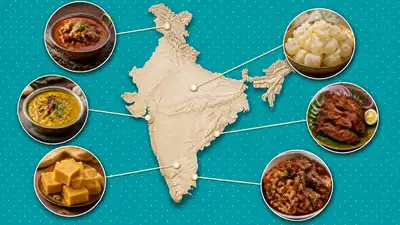
Image Source: Canva AI
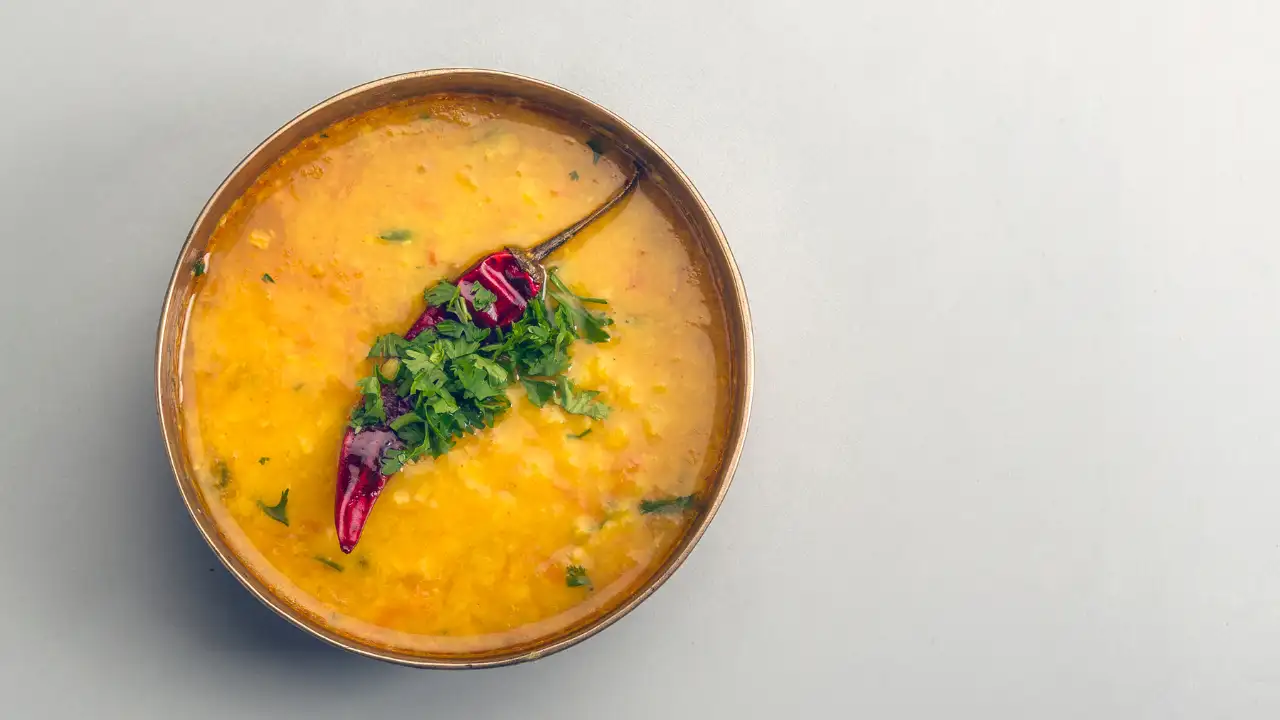
Who said dal had to be a side dish? A royal cook prepared a simple moong dal for the prince, who enjoyed its light texture and versatility, according to popular accounts. Chopped onions, fresh coriander, green chillies, grated ginger, lemon juice and chaat masala are added according to taste, along with a drizzle of ghee.
In Moradabad, Uttar Pradesh, this humble bowl of yellow moong dal has made a name for itself as a street-food favourite. Unlike the thick, hearty dals that are usually paired with rice or roti, Moradabadi dal is light, almost soupy, and served with a generous assortment of toppings that turn every spoonful into a little bowl of chaat . Its origins are often traced to the Mughal era, during the reign of Shah Jahan, when his son Murad Baksh was associated with the development of Moradabad in the 17th century. The dish gradually found its way from the royal kitchen to the city’s streets, where it became a familiar part of the local food culture. The preparation is fairly simple, but patience is key. Yellow moong dal is washed and cooked with water until the grains soften and practically dissolve into a smooth, thin consistency. It is then seasoned lightly, allowing the lentils to retain their mild flavour. The fun begins with the toppings. Some versions also feature green chutney, tamarind chutney or crushed papdi for an extra crunch. In Moradabad, the best place to look for a bowl is among the city’s street-food vendors, where it is often served as a snack or starter rather than a main course. The dish is also part of Uttar Pradesh’s One District One Cuisine initiative, which recognises its importance to the region’s food culture. If you enjoy your dal with a little tang, heat and crunch, this is one version worth trying. Chettinad Chicken If you enjoy your chicken with a generous kick of spice, Chettinad chicken is one dish that deserves a place on your plate. Named after the Chettinad region of Tamil Nadu, it is known for its fiery masala, aromatic spices and rich gravy. Unlike milder chicken curries, this one makes no attempt to hide its spices, with black pepper, dried red chillies and fennel often taking centre stage. The dish belongs to the culinary traditions of the Nattukottai Chettiar community, whose trading networks connected southern India with parts of Southeast Asia. These journeys brought new ingredients and culinary influences into their kitchens, helping shape the region’s distinctive food culture. Chettinad cuisine is also known for its elaborate traditional homes and hospitality, with food playing an important part in gatherings and celebrations.
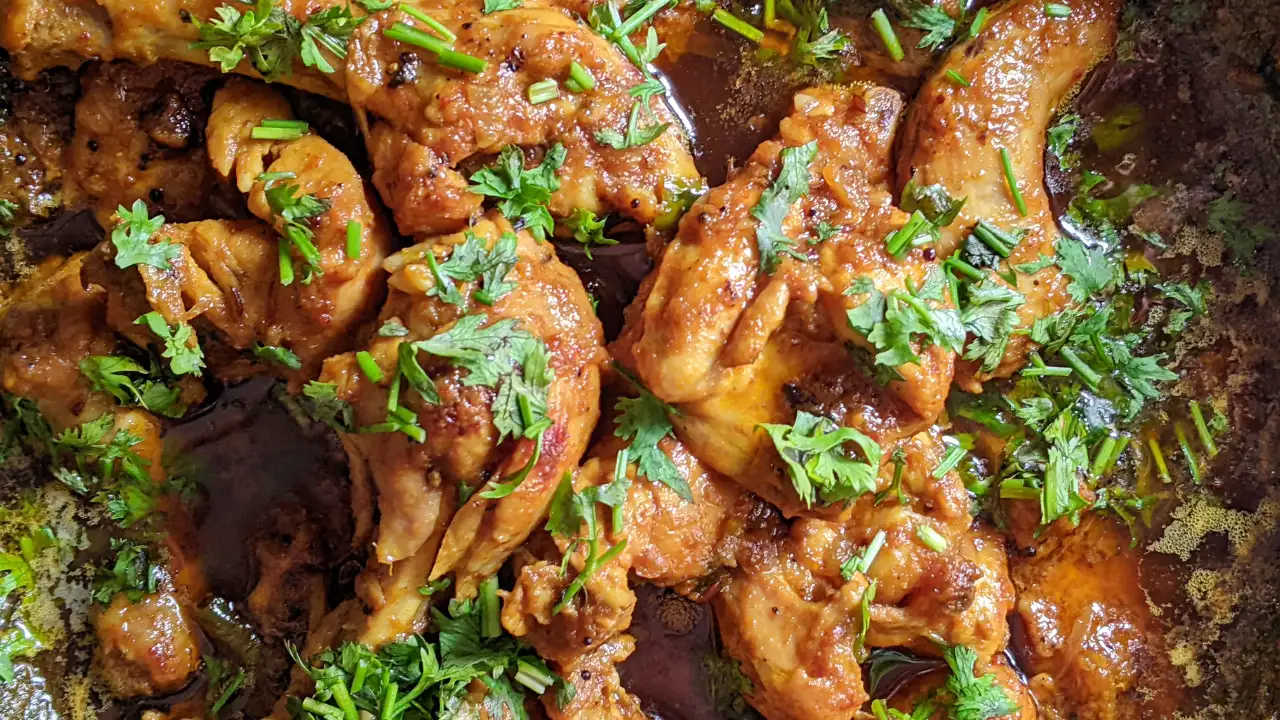
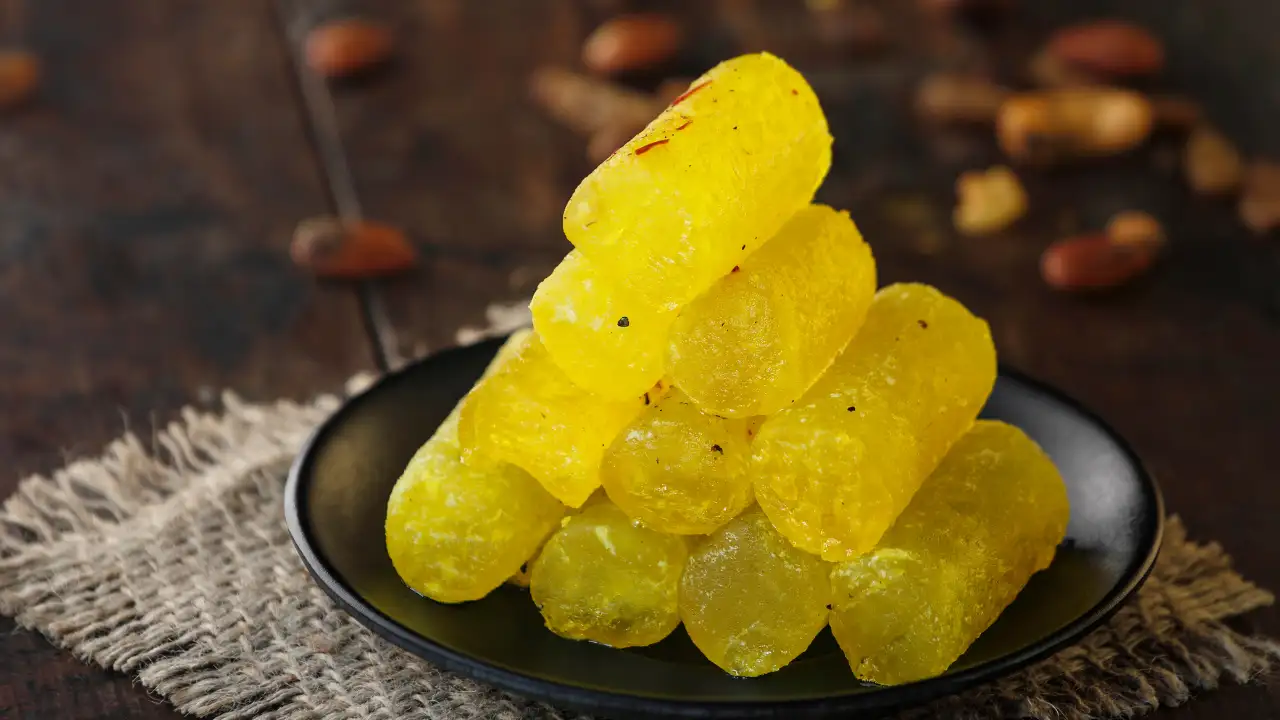
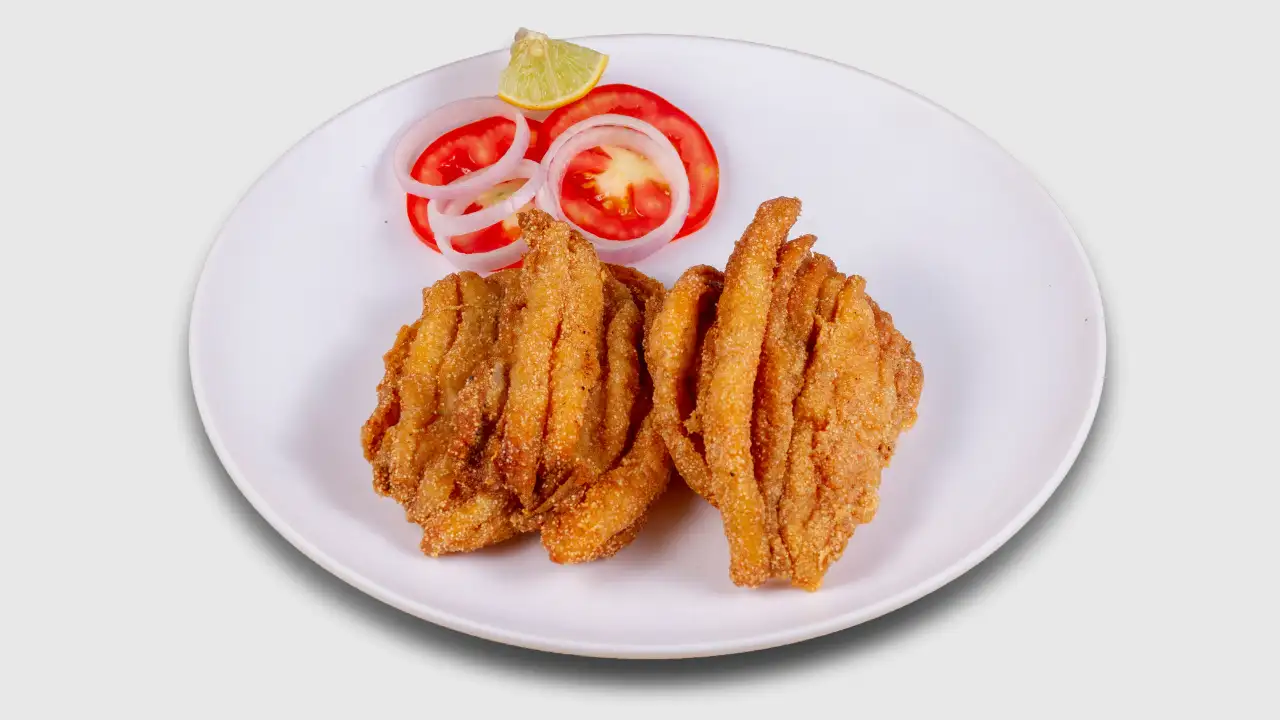
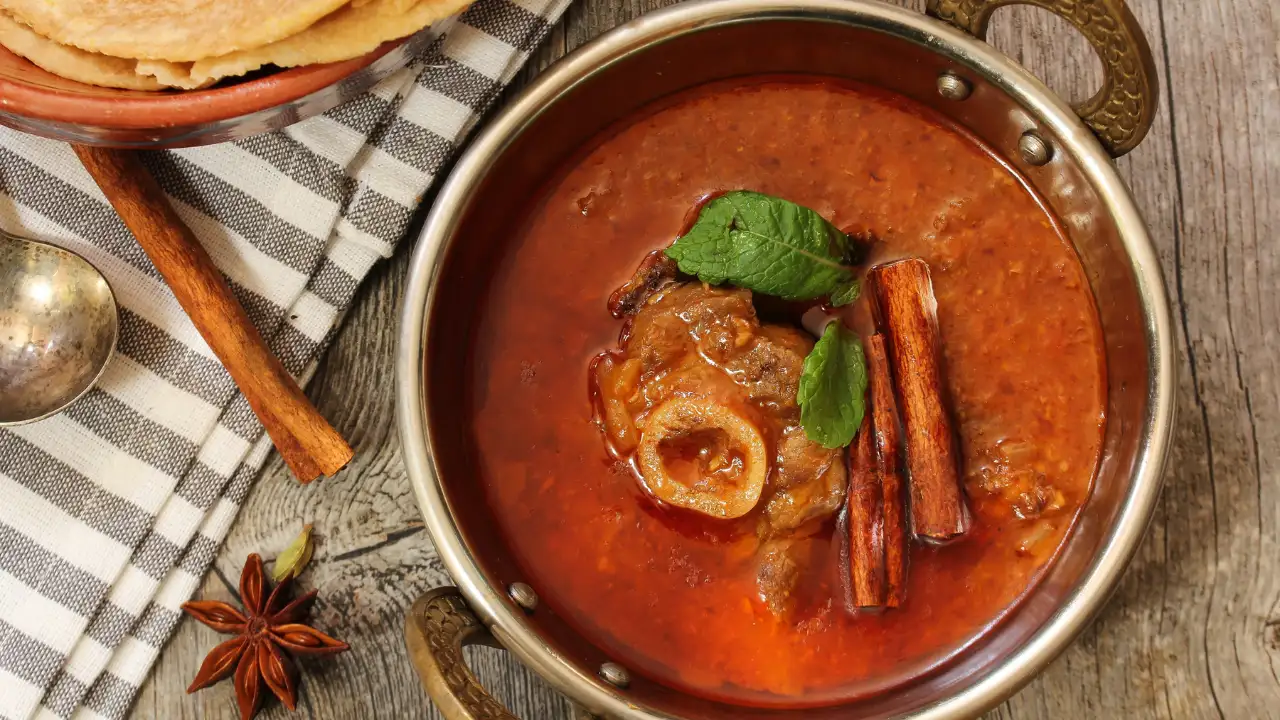
It is often believed that petha was first prepared more than 350 years ago, finding its way out of the royal kitchens of Mughal emperor Shah Jahan. Kashmiri Rogan Josh There is a reason Rogan Josh ended up on Taste Atlas’ 2026 Best Stews in the World. Cities are famous for their monuments, from Agra’s Taj Mahal to Mysore’s Palace. But sometimes, the real monument is a delectable treat for your mouth. Across India, some of the most beloved foods carry the names of the places that made them famous, offering a burst of flavours and a little taste of history with every bite. Agra ka Petha Your pumpkins do not need to be limited to a sabzi , just like Agra is not limited to the Taj Mahal. Its favourite petha is a translucent, soft candy made from white pumpkin, also known as ash gourd. To prepare it, the ash gourd is peeled, deseeded and sliced into bite-sized pieces. These are soaked in a solution of choona (lime), which helps the pieces retain their shape and develop a firmer texture. After being washed thoroughly, the pieces are boiled until soft and then soaked in sugar syrup. The result is a candy with a sugar-crisp exterior and a moist, almost crystalline interior. If you go looking for the original, head to Panchhi Petha in Agra’s Sadar Bazaar. Be wary of imitations, though, as several shops claim the famous name. The sweet is also available in varieties ranging from plain petha to kesar and angoori petha, making it difficult to leave with just one box. Mysore Pak The preparation relies on getting the proportions right. Sugar syrup is cooked before gram flour is gradually added, followed by generous amounts of hot ghee. The mixture is stirred until it thickens and begins to leave the sides of the pan, then transferred to a tray to set before being cut into pieces. The longer it cooks, the firmer and more porous the sweet can become. For a taste of the original, Mysuru is the place to be. Traditional sweet shops across the city sell Mysore pak, and it is also widely available in Karnataka and beyond. If you are visiting Mysore Palace, make room in your itinerary for a stop at a local sweet shop before heading home. Bombay Duck Fry For those confused, Bombay Duck is not actually a duck, but a fish! Known locally as bombil , this soft-bodied fish has long been a part of Mumbai’s coastal food culture. It is particularly associated with the Koli fishing community, among the city’s earliest residents, who have traditionally caught, salted and sun-dried the fish. The origins of its unusual English name remain debated. One popular explanation, recounted by writer Farrukh Dhondy, links it to the British mail trains that transported dried fish from Bombay to other parts of India. These shipments supposedly became known as Bombay dak , with dak meaning mail. Other explanations connect the name to the local Marathi name or the cries of fish sellers in the city’s markets. Fresh bombil is soft and delicate, while the dried version has a much stronger smell and concentrated savoury flavour. Traditionally, the fish was hung out to dry on bamboo racks known as valandis . It could then be stored for longer and cooked during the monsoon, when fresh catches were harder to obtain. To prepare Bombay duck fry, the fresh fish is cleaned, flattened and marinated with salt, turmeric, chilli powder and a little lemon juice. It is then coated in a mixture of rice flour and semolina, sometimes with a little gram flour, before being shallow-fried until crisp outside and tender inside. The contrast between the crunchy coating and soft fish is what makes it so satisfying. In Mumbai, look for bombil fry at coastal Maharashtrian and Koli restaurants, particularly in neighbourhoods with a strong seafood tradition. It is commonly served alongside dal and rice, while dried bombil also finds its way into curries and other home-style preparations. This aromatic meat curry is an important part of Kashmiri cuisine and a familiar feature of wazwan , the traditional multi-course feast served at weddings and celebrations. Its deep red gravy and tender pieces of mutton make it instantly recognisable. The dish has roots in Persian cooking and became part of North Indian cuisine during the Mughal period. Over time, it developed a distinct Kashmiri identity, incorporating local ingredients such as Kashmiri chillies and spices. The name is often associated with Persian words referring to oil or ghee and cooking at high heat, although its exact origins remain debated. Rogan josh is prepared by cooking mutton slowly with spices until the meat becomes tender and the gravy develops its characteristic colour. Kashmiri chillies contribute a rich red hue without necessarily making the dish overwhelmingly hot. Depending on the regional tradition, ingredients such as yoghurt, dried ginger, fennel and other aromatics are used to build the flavour. Traditional Kashmiri preparations differ from restaurant versions that use tomatoes or heavier onion-based gravies. In Kashmir, rogan josh is best experienced as part of a traditional wazwan meal, where it is served alongside rice and other carefully prepared dishes. If travelling to Srinagar, look for restaurants specialising in Kashmiri cuisine rather than settling for a generic curry-house version. Outside the Valley, Kashmiri restaurants and establishments serving regional Indian food are your best bet for finding it. Moradabadi Dal To prepare Chettinad chicken, the spices are commonly dry-roasted to bring out their aroma before being ground into a masala. Depending on the recipe, this mixture may include coriander seeds, cumin, fennel, black pepper, cinnamon, cloves and dried red chillies. Coconut is often added to give the gravy body, while ginger, garlic and onions build its flavour. The chicken is cooked with the masala until tender, allowing the meat to absorb the spices. Curry leaves and fresh coriander may be added towards the end. The result is a deeply spiced curry with layers of heat, fragrance and a rich, savoury finish. It is usually served with steamed rice, parotta or other South Indian accompaniments that help balance the intensity of the gravy. To try it, look for restaurants specialising in Tamil Nadu cuisine, particularly in Chennai and the Chettinad region around Karaikudi. It is also available at South Indian restaurants across the country. If you are cooking it at home, remember that the spice blend is the heart of the dish, so freshly roasted spices can make all the difference. You use AI every day. Now get your AI Quotient. Take the AIQ test Get the latest Lifestyle News and more. Download the TOI app.
Since then, this sugary delicacy has continued to gain popularity, with its production becoming an important part of Agra’s food culture. Sweet, syrupy and available in several flavours today, it has become one of the city’s most recognisable culinary souvenirs.
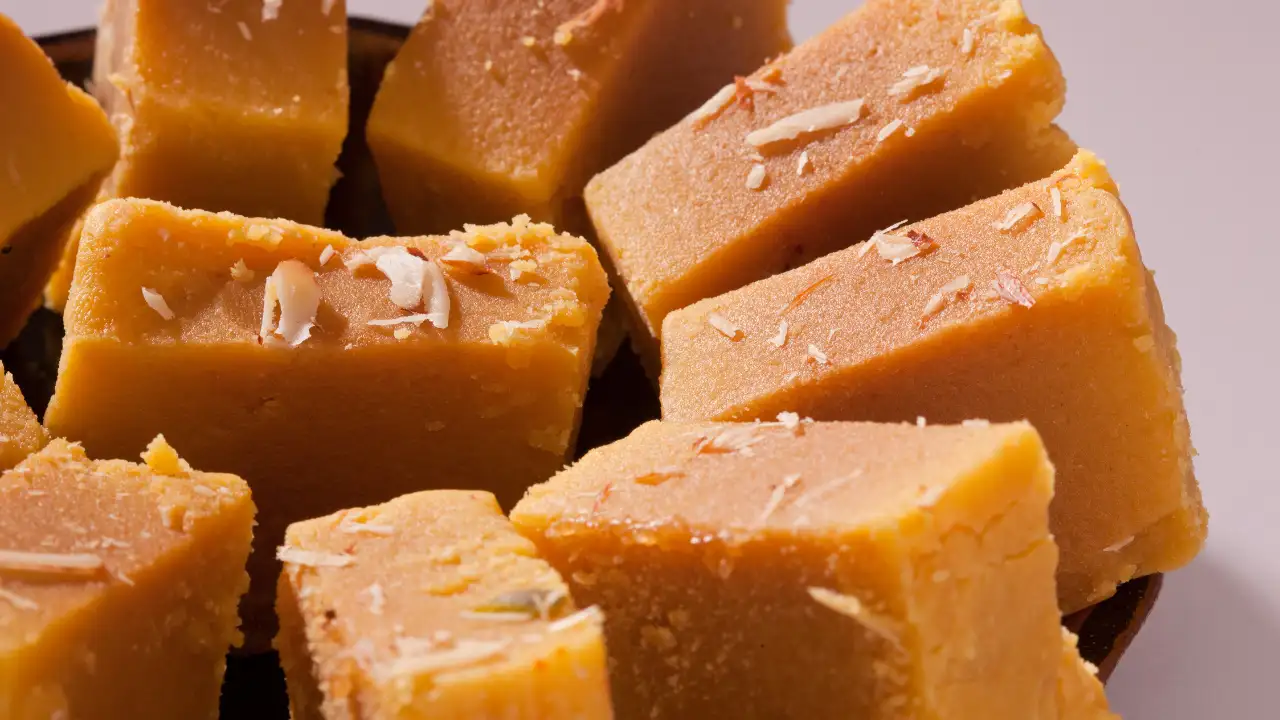
It was first prepared during the reign of Maharaja Krishna Raja Wadiyar IV in the early 20th century, according to popular legend. Anyone with a sweet tooth will be delighted by the delicious, ghee-rich Mysore pak. Made primarily from gram flour ( besan ), sugar and ghee, and sometimes flavoured with cardamom, this golden sweet has a texture that sits somewhere between fudge and a buttery, dense cookie. Known for its rich, melt-in-the-mouth quality, it is often referred to as the king of sweets. Mysore pak originated in the royal kitchens of the Kingdom of Mysore, which is in present-day Karnataka. The royal kitchen’s chef, Kakasura Madappa, experimented with gram flour, sugar and ghee to create a new kind of mithai . When the Maharaja asked him what it was called, Madappa reportedly named it Mysore pak, combining the name of the city with pak , referring to the sugar syrup or cooking process.