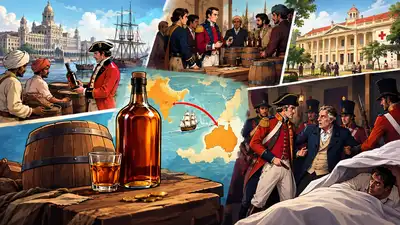
AI representation/ChatGPT
Long before Old Monk, there was Bengal rum
More than 200 years ago, Bengal rum travelled from Calcutta to Australia, became a form of money and was caught up in the 1808 Rum Rebellion, when soldiers arrested the colony’s governor. When Britain established New South Wales as a penal colony in 1788, the settlement had a basic financial problem: there was very little conventional money. Historical material held by the State Library of NSW records Bengal rum at 83 per cent over proof, an exceptionally high strength by modern standards. In 1810, Macquarie entered into an unusual arrangement with three businessmen, D’Arcy Wentworth, Garnham Blaxcell and Alexander Riley. Archival records held by the State Library of NSW show that the contractors were permitted to arrange the importation of 20,000 gallons of Bengal rum from Calcutta as part of the agreement. The hospital opened in 1816 and became known as the Rum Hospital. Bligh became governor of New South Wales in 1806. On January 26, 1808, the confrontation reached its extraordinary conclusion. One set of records from 1812 includes correspondence relating to an order for 13,500 gallons of Bengal rum from Calcutta. More than 200 years earlier, a rum shipped from Bengal had become so valuable in Australia that it was used as money, helped finance a hospital and became tied to the military and political struggle that ended with the arrest of a governor.
Those who controlled its supply therefore had considerable economic power.
The dispute became bigger when the Food Safety and Standards Authority of India (FSSAI) told the Bombay High Court that Old Monk could not be marketed as rum in the form in which it was being sold. Rum became a form of de facto currency in the colony, according to the National Museum of Australia. The argument was no longer simply about alcohol, according to the National Museum of Australia.
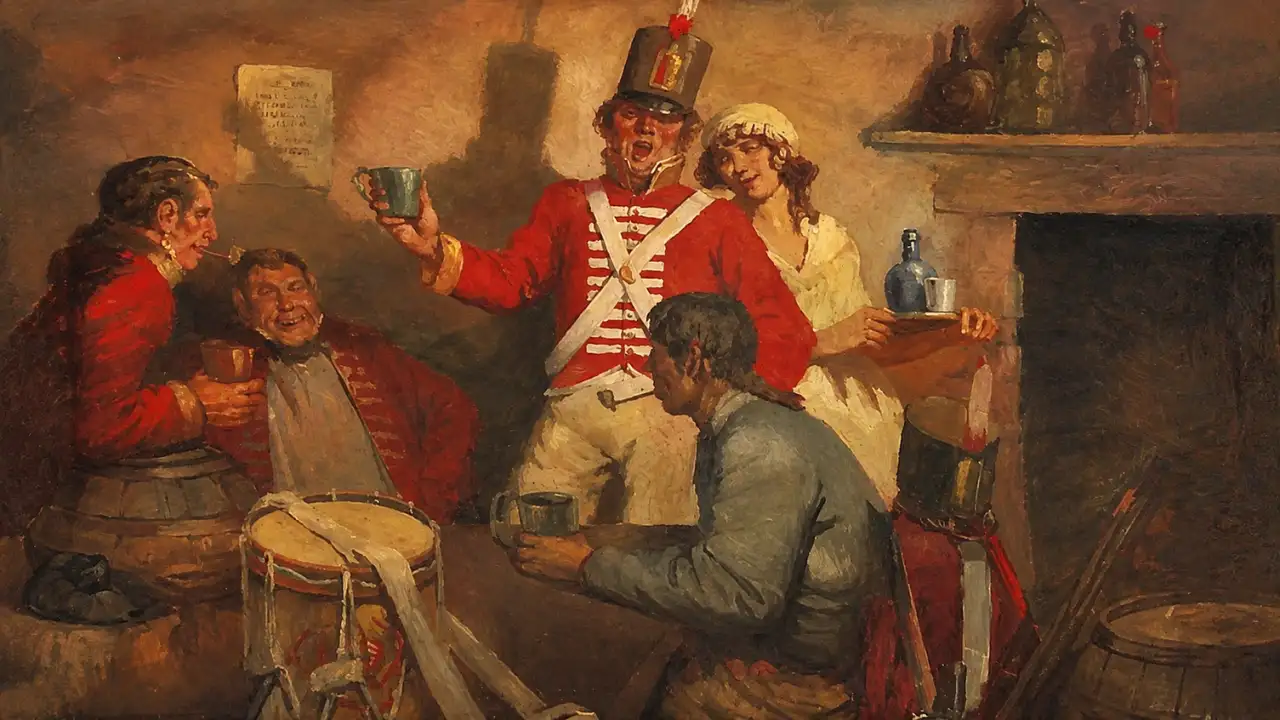
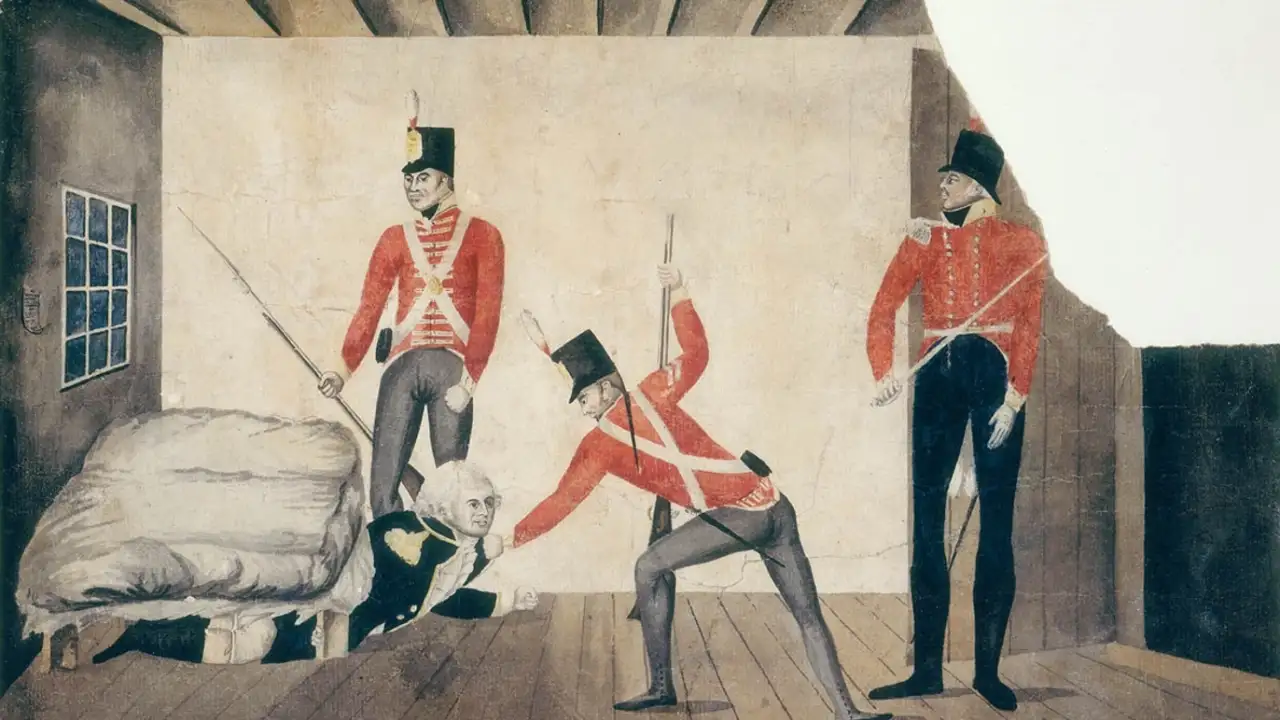
India’s popular Old Monk is now at the centre of a debate over what legally qualifies as rum. The manufacturer has challenged the action, and the legal dispute is still playing out. So, while the modern argument is over what can legally be called rum, the history of Indian rum has a much stranger chapter. Coins were scarce. There was no established banking system. Trade depended heavily on barter. Rum became one of those goods. It could be exchanged for food, labour and other goods. A large part of the rum reaching the colony came through Britain’s extensive trading network with India. Calcutta was one of the major commercial centres of the British Empire, and ships travelling between India and Australia’s east coast carried spirits and other goods. Among the spirits traded was ‘Bengal rum’. The drink became important enough in Sydney that the military officers involved in its trade acquired the nickname ‘the Rum Corps’. AI representation/ChatGPT The answer was partly simple economics. New South Wales needed alcohol, but it did not have an established local industry capable of meeting the demand. India already had the production and trading networks needed to supply the distant colony. Bengal rum was also notably strong. What mattered in Sydney was that the spirit was strong, available and valuable. And in a colony where money was hard to come by, a commodity with those qualities could become much more than a drink. It could become money. The economic importance of spirits was eventually turned into a public project. When Lachlan Macquarie became governor of New South Wales, he needed to improve the colony’s infrastructure. One of the major projects was a new general hospital in Sydney. Instead of simply paying them in cash, the government gave the contractors a three-year monopoly on importing spirits. Enter William Bligh, the British naval officer already famous as the captain of HMS Bounty. He inherited a colony where military officers and merchants had accumulated considerable influence through land, trade and the rum economy. Bligh attempted to curb the use of spirits as currency and challenge the commercial practices that had developed around the military establishment. That put him on a collision course with powerful people. One of his most determined opponents was John Macarthur, a former officer of the New South Wales Corps who had become a wealthy landowner and merchant. The dispute between the two men eventually became a political and legal crisis. It was about who had the power to control the colony’s economy. A propaganda cartoon published at that time. The New South Wales Corps marched through Sydney to Government House. Their target was the governor. Bligh was found hiding beneath a bed in Government House and was arrested. The State Library of NSW records the event as the Rum Rebellion, while the National Museum of Australia describes it as the only successful military overthrow of a government in Australian history. Major George Johnston, commander of the New South Wales Corps, assumed control of the colony. Bligh remained under arrest for more than a year. The rebellion was not literally a war over rum. The drink was the most visible symbol of a much larger struggle involving trade, military influence, money and political authority. But rum was at the centre of the system that had made those struggles possible. Historical records preserved by the State Library of NSW show that Sydney merchants continued to deal in Bengal rum after the rebellion. Sydney advertisements from the period also promoted Bengal rum for sale. In the 21st century, India is debating what can legally be called rum. Looking for trusted parenting advice? Follow TOI Parenting Circle on Instagram for expert guidance, relatable stories, and practical tips delivered every day. Get the latest Lifestyle News and more. Download the TOI app.