
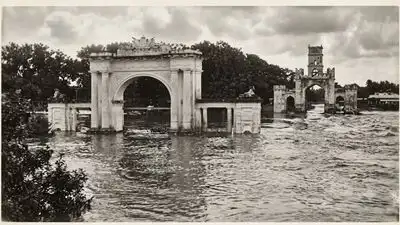
Image Enhanced Using AI
HYDERABAD: On September 28, 1908, the Musi River flooded Hyderabad after the city received around 17 inches of rain. The river rose to nearly 15 feet above its banks, inundating several parts of the city and killing thousands of people. More than 80,000 houses were damaged in the disaster. Amid the rising floodwaters, around 150 people found refuge in a large tamarind tree on the banks of the Musi, within the compound of what was then Afzalgunj Hospital, now Osmania General Hospital. A wooden board placed on its trunk records that the tree saved around 150 people during the 1908 Musi flood. In 2002, the then Hyderabad collector Rajeshwar Tiwari named it ‘Prana Dhatri’, meaning giver of life. The tamarind tree became a symbol of survival as Hyderabad marked the centenary of the devastating flood in 2008. Plans to widen roads along the Musi in 2008 raised concerns that the historic tree could be cut down. In 2019, concerns were raised about the tree’s condition after fungal growth was found around its trunk. In 2023, residents gathered at the ‘Saviour Tamarind Tree’ to remember those who lost their lives in the 1908 floods. More than a century after the Musi rose over its banks and devastated Hyderabad, the tree remains a living reminder of one of the city’s deadliest disasters — and of the 150 people who survived by climbing into its branches.
The survivors remained there for two days, according to accounts cited in reports about the flood. Officials said the tree could not be relocated, while heritage activists pushed for its protection. Areas including Afzal Gunj, Ghansi Bazar and Kolsawadi were badly affected, while several bridges across the Musi were washed away. As the water rose around them, the people climbed into the tree and held on to its branches to escape being swept away. They had no food during that period and waited for the waters to recede before climbing down. The hospital itself was severely damaged by the flooding. The extraordinary role played by the tree during the disaster eventually became part of Hyderabad’s history. Civil society groups and historians gathered under the tree to remember those who died in the disaster. An exhibition featuring photographs of Hyderabad before, during and after the flood was also organised. But the tree itself soon faced a threat. Its deteriorating condition prompted calls for greater protection of the historic tree. Despite the neglect and development pressures around it, the tamarind tree continued to stand near the Musi.
Activists also sought heritage status for the tree, arguing that its role in saving human lives made it historically important.
You Can Also Check: Gold Rate in Hyderabad | Silver Rate in Hyderabad | Bank Holidays in Hyderabad | Public Holidays in Hyderabad | Hyderabad AQI | Weather in Hyderabad | Petrol Price in Hyderabad | Diesel Price in Hyderabad | CNG Price in Hyderabad | LPG Price in Hyderabad Stay updated with the latest Hyderabad news. Download the TOI App.