
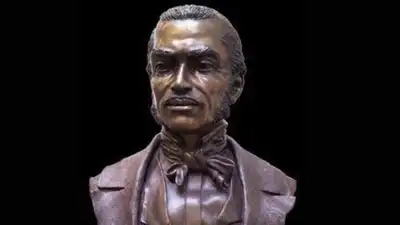
Nearly two centuries after a formerly enslaved pioneer bought 80 acres of Illinois prairie and founded the first legally registered town in the United States platted by an African American, nearly 20 acres of the historic townsite have officially been transferred to the National Park Service.According to the National Park Service, the land was donated by the nonprofit New Philadelphia Association and is an important addition to the New Philadelphia National Historic Site. The acquisition protects important visitor facilities and historic land, helping preserve the story of self-emancipation, cooperation between Black and white residents, and pioneer determination for future generations.
Located near Barry in Pike County, the site protects the story of Free Frank McWorter, who established an integrated frontier community decades before the American Civil War.
New Philadelphia began with the determination of Frank McWorter, who was born into slavery in South Carolina in 1777, according to National Park Service historical information. By carefully saving his earnings, he was able to buy the freedom of his wife, Lucy, in 1817. In 1830, McWorter moved his family to Illinois. McWorter used money from his Illinois land transactions to purchase the freedom of 16 relatives, including children, grandchildren, and his mother, according to historical records. The total cost was about $14,000. By the late 1860s, the town had about 160 residents. The Hannibal and Naples Railroad bypassed the town in 1869 and instead built its tracks through nearby Barry, according to the National Park Service. The discoveries helped lead to New Philadelphia being added to the National Register of Historic Places in 2005. The site was later named a National Historic Landmark in 2009. Congress officially added New Philadelphia to the National Park System in December 2022, making it the 424th unit of the system, according to the National Park Service. Since then, federal officials have worked with local community groups to acquire important parcels within the park’s 124-acre boundary. The recent donation of nearly 20 acres by the New Philadelphia Association transfers ownership of the park’s main public access area.
Illinois allowed free Black people to purchase property under federal land laws, despite strict state limits on their civil rights, according to historical accounts. He designed the community as an integrated and affordable place where Black and white families could own property, run businesses, and educate their children, according to the New Philadelphia National Historic Site. The town’s location between the Mississippi and Illinois rivers allowed local residents to help enslaved people escaping from nearby Missouri as they travelled north toward Canada, according to the National Park Service. Local residents formed the association in the late 1990s to protect the historic site from highway construction and damage caused by farming, according to information from the New Philadelphia Association and archaeological researchers. The property includes an information kiosk, educational displays, accessible parking, and other cultural features created with help from local volunteers, according to the National Park Service. New Philadelphia National Historic Site Superintendent Chris Collins said the partnership with the local association has been important to the park’s development. “This donation is an important step in protecting the resources and stories of New Philadelphia for the community and visitors,” Collins said. These efforts will help protect and explain Free Frank McWorter’s lasting legacy on the Illinois prairie, according to the National Park Service.
McWorter was allowed to operate saltpetre mining businesses alongside his forced labor While living in Kentucky. He purchased his own freedom two years later. McWorter’s plans went beyond buying and selling land. Money from the sale of town lots helped fund McWorter’s main goal: buying his family members out of slavery. Historical records show that the community included blacksmith shops, general stores, a wheelwright, and an integrated public school. The decline of New Philadelphia followed a pattern seen in many Midwestern towns during the late 19th century. Without access to the new railroad, businesses and residents slowly moved away. By the 1920s, the town’s original buildings had disappeared, and the land had returned largely to agricultural use. much of New Philadelphia’s history remained underground Although the buildings were gone. Archaeologists from the University of Illinois and other institutions later carried out major excavations. They found thousands of household objects, road remains, and building foundations. “Our partnership with the New Philadelphia Association has been essential to the park’s development. I am excited to continue working alongside our partners as we plan for the future of New Philadelphia National Historic Site. With the land now under National Park Service ownership, federal officials are working on long-term plans for visitor education, improved trails, and archaeological preservation.
During the years before the Civil War, New Philadelphia also became part of the Underground Railroad.