Image: Wikipedia
Because hawaii has lost much of its original forest and many of its endemic birds are found nowhere else on Earth, the results were particularly significant. Because hawaiian forest birds face threats beyond habitat loss, that gradual colonisation matters. Introduced mosquitoes and avian malaria have devastated many native species, while invasive plants and animals continue to alter their remaining habitat.
The long-term Hakalau research showed that restoration could provide useful habitat even before a planted forest had reached the structure of mature native woodland. Forest cover and the diversity of vegetation beneath the trees also helped explain bird densities. Some species responded relatively quickly, while others took much longer to appear. The ‘akiapōlā‘au, an endangered Hawaiian honeycreeper, was among the species recorded in the restoration forest and showed an increasing trend over the study period.
A later study using more than 20 years of observations described the Hakalau project as one of the largest ongoing reforestation efforts in Hawaii and found that time since restoration and proximity to intact forest strongly influenced how quickly birds colonised the new woodland. Hakalau Forest National Wildlife Refuge covers roughly 34,000 acres on the slopes of Mauna Kea and contains some of the last extensive montane rainforest habitat in Hawaii. From 1992 to 1996, the organisation supported the planting of 150,650 koa trees, a native Hawaiian tree considered a keystone species in these forests. The 2003 paper ‘ Tree Planting at Hakalau Forest National Wildlife Refuge, the Right Tool for the Right Stock Type ,’ published in Native Plants Journal, was written by Jack Jeffrey and Baron Horiuchi. A separate long-term study, ‘ Rapid colonization of a Hawaiian restoration forest by a diverse avian community ,’ analysed 26 years of bird-count data at Hakalau.
The restoration corridors were therefore intended to do more than replace missing trees.
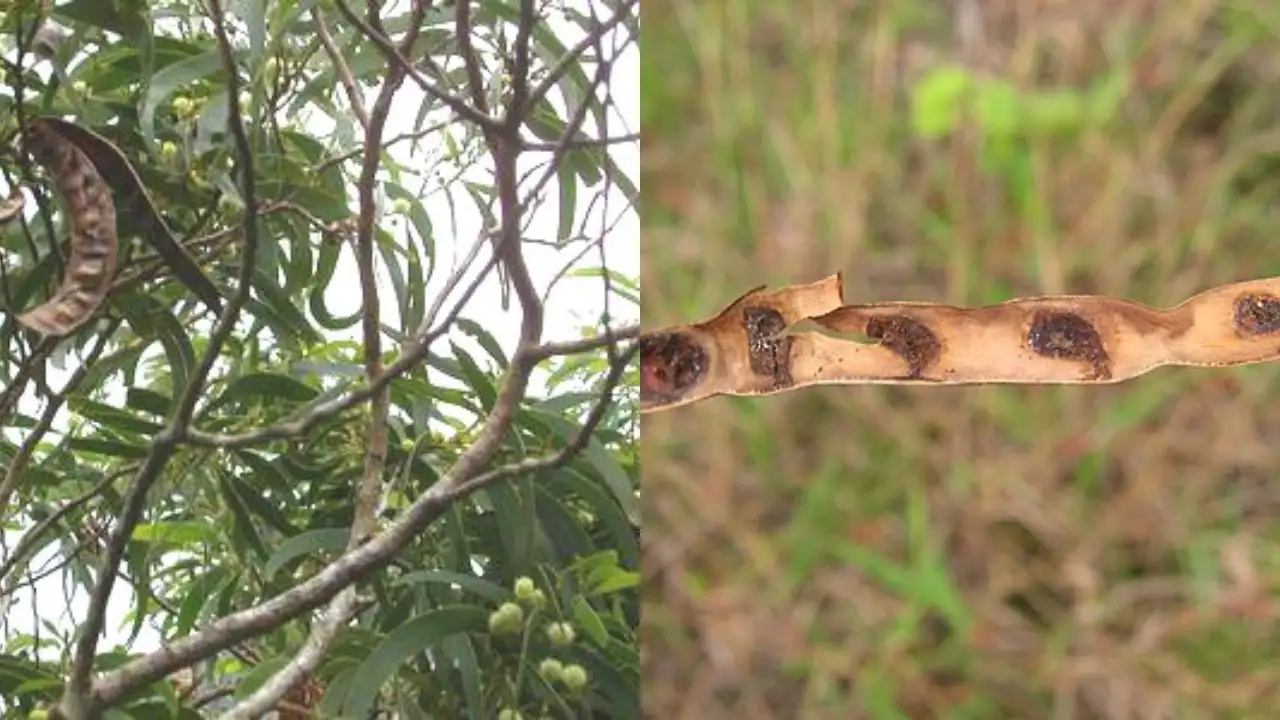
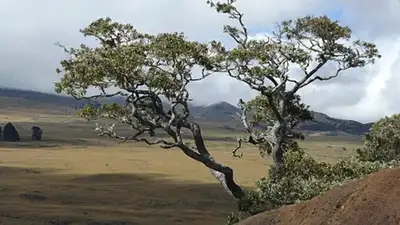
American Forests says that thousands of acres inside the refuge had become abandoned pasture, with invasive weeds and grasses replacing the native vegetation. Two decades later, researchers found that the strategy was working. Birds that depended on native forest were moving into the restored areas, with several species increasing as the planted trees matured. But much of the landscape had been transformed by cattle ranching. The researchers described koa and ‘ōhi‘a lehua as important species for restoring degraded parts of Hakalau and explained how different planting tools were used for different types of seedlings. They were designed to create foraging cover, nesting sites and food resources while helping native forest gradually expand into former pasture. Koa also had an important ecological advantage. Its canopy could eventually shade out some of the aggressive pasture grasses while creating a more forest-like environment beneath the trees. That could make conditions more suitable for the return of native understory plants. The researchers found that most species in the diverse forest-bird community increased significantly in the restoration forest, although different species colonised at different rates.