
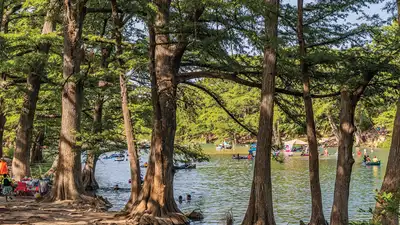
Texas park authorities have acquired a 1,720-acre ranch in Uvalde County to create Bear Creek State Park, offering outdoor visitors a more natural and rugged alternative to the heavily developed recreation areas nearby. The property was purchased for $33.5 million using a one-time state appropriation, according to the Texas Parks and Wildlife Department (TPWD). It sits less than a mile from Garner State Park, the most visited park in the state system. However, officials plan to develop Bear Creek in a very different way. Unlike Garner, where visitors can park close to the river and use paved areas, reaching the spring-fed Frio River at Bear Creek will require visitors to travel for miles through steep canyons, limestone ridges, and backcountry trails.
Limiting vehicle access near the river is part of an effort to expand public recreation while protecting the environment, according to TPWD. Garner State Park often reaches capacity by noon on summer weekends, with large numbers of visitors using its developed lawns, roads, and river access areas. Bear Creek, by comparison, is planned around quieter and lower-impact outdoor activities. Initial surveys found dense forests, steep ravines, and oak grasslands across the property.
Researchers have found evidence of Native American campsites on the land, including old cooking areas and places where tools were made along the creek beds, according to early archaeological surveys. “Abe” Kelly established a homestead where Bear Creek and Spring Creek meet. Officials also want to protect the area’s natural night sky, according to park planning information. Bear Creek State Park is expected to become a destination for hikers, birdwatchers, and backpackers looking for a quieter and more natural experience of the Frio River valley, according to TPWD.
The Bear Creek property also has an important human history. The property later became part of the region’s ranching history. Historical records indicate that in the late 1800s, rancher Abraham B. By limiting artificial light and avoiding large amounts of overnight infrastructure, planners hope to preserve the darkness of the Hill Country while highlighting the property’s cultural history. As public meetings and feedback sessions continue, officials are working on the park’s final master plan.