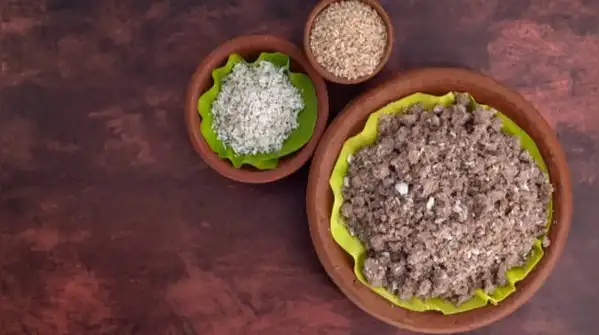
Ragi idli promises all the nutritional benefits of finger millet, wrapped in the same comforting, steamed softness as a regular idli, but anyone who’s actually attempted it knows it doesn’t always work out that way. More often than not, home cooks end up with something noticeably denser and heavier than they intended, closer to a dense cake than a pillowy idli. The good news is fluffy ragi idli is entirely achievable, it just needs a slightly different approach than regular rice idli, since ragi behaves quite differently in a batter. Here’s how to actually get it right.
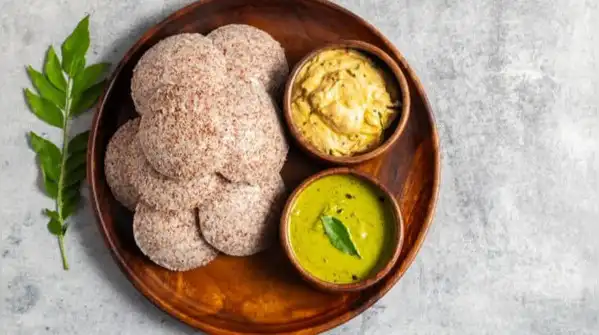
Most ragi idlis are ready in around 10 to 15 minutes, checking doneness with a toothpick inserted into the centre, it should come out clean. Sometimes fermentation just doesn’t cooperate, especially in cooler weather or an unusually dry kitchen. If your batter hasn’t visibly increased in volume after resting, a quarter teaspoon of baking soda mixed in gently can help rescue the batch before steaming. For an instant, no-fermentation version, eno fruit salt or baking soda mixed in right before steaming creates that same light, airy texture almost immediately, no overnight wait required. Steaming technique matters more than people expect. Cook on medium heat rather than a full, aggressive boil, since overly high heat tends to toughen idlis rather than keeping them soft. Oversteaming dries idlis out and firms up their texture, so pull them off the heat as soon as they’re properly cooked rather than leaving them longer “just to be safe. However you’re making your ragi idli, avoid overmixing the batter once everything’s combined, vigorous stirring knocks out the air pockets you actually want to preserve. Fold ingredients together gently rather than beating them, and if you’re using rava or semolina in your mix, give the batter a short resting period before steaming, this lets the semolina properly absorb moisture, which noticeably improves the final texture.
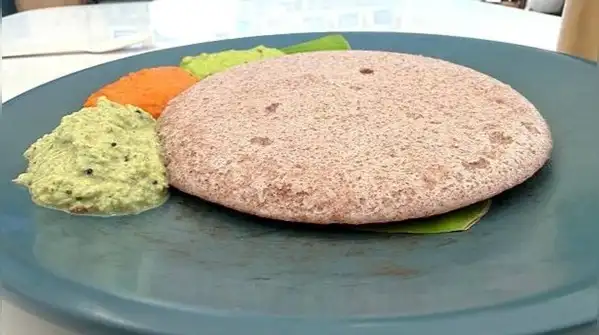


Cover and rest the combined batter in a warm spot for 8 to 12 hours, adding a few fenugreek seeds to the urad dal while soaking, since they help activate the natural fermentation process. This is the single biggest mistake behind dense ragi idlis. Ragi flour on its own simply doesn’t have the structure to trap air the way rice does, which is exactly why it collapses into something heavy once steamed. Combine ragi with idli rice, rava (semolina), or poha instead, a roughly equal mix of ragi and rice, or ragi paired with rava and a bit of poha, gives the batter something to hold its shape around while still staying light. Poha in particular is excellent at holding air pockets, which translates directly into a softer, spongier final idli. If you’re making traditional fermented ragi idli rather than an instant version, fermentation is genuinely the make-or-break step. Grind your urad dal separately into a smooth, light, fluffy batter, using cold water while grinding to keep the mixture from overheating, then combine it with your soaked ragi-rice mixture. Stick to non-iodised salt too, iodised salt is known to interfere with proper fermentation. Both too-thin and too-thick batter work against fluffiness in different ways. The right consistency is thick but still pourable, roughly like a slightly heavy dosa batter that drops off a spoon in a ribbon rather than a thin stream. Batter that’s too runny spreads flat instead of holding its shape in the mould, while batter that’s too thick steams into something dense and heavy rather than light. Add water gradually while mixing rather than all at once, adjusting as you go until you hit that right balance. This article is intended for general informational purposes only. Results can vary depending on the quality and freshness of your ragi flour, ambient kitchen temperature, and the specific equipment used for grinding and steaming. Adjust water quantities and fermentation time as needed based on your own kitchen conditions.