
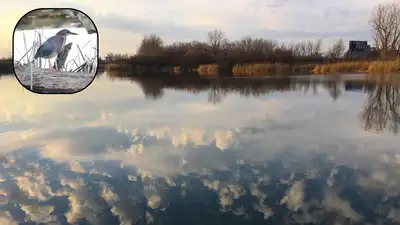
Buffalo turned a 264-acre industrial dump into a nature preserve; 50 years later, its 75-acre marsh is Erie County’s largest remnant wetland (Image Credit: Tifft Nature Preserve)
A former industrial site and municipal landfill on Buffalo’s Outer Harbor has spent the past five decades becoming something very different: a 264-acre urban nature preserve supporting wetlands, woodlands, ponds and diverse wildlife. Tifft Nature Preserve, which officially became a nature preserve in 1976, is marking its 50th anniversary in 2026. The site now includes a 75-acre cattail marsh, while more than 260 bird species have been observed there, according to Tifft Nature Preserve. The site now includes a 75-acre cattail marsh, while more than 260 bird species have been observed there (Image Credit: Tifft Nature Preserve) One of the most important parts of the preserve is its 75-acre cattail marsh. The preserve’s research programme notes that more than 260 bird species have been observed there, while its location along Lake Erie provides opportunities for studying wildlife associated with wetlands and waterfront habitats. Tifft’s 50th anniversary in 2026 marks more than the passage of time. In 2025, the preserve also reported a potential sheen and odour at an on-site creek, leading to environmental sampling by the New York State Department of Environmental Conservation and other agencies.
Its transformation involved covering buried waste, restoring habitat and establishing long-term ecological management and research. Tifft describes the marsh as a remnant of a much larger wetland complex that once extended across parts of the surrounding region. Its survival gives the preserve particular ecological importance within an increasingly urban landscape. The marsh is also central to Tifft’s wildlife value. Tifft has also been designated an Important Bird Area by the National Audubon Society. Research expanded substantially over subsequent decades. The preserve has worked with students and faculty from institutions including Buffalo State College, Canisius College, SUNY Buffalo, SUNY Fredonia, SUNY Geneseo and Erie County Community College. Research has covered subjects ranging from invasive species and wetland management to wildlife and environmental science. It represents a long transition from industrial and waste-related land use to a site focused on conservation, research and public access. The preserve now has about five miles of nature trails, boardwalks and viewing areas around its wetlands and other habitats. During its anniversary year, Tifft also opened a three-quarter-mile accessible trail and rebuilt an accessible boardwalk through the cattail marsh, expanding opportunities for visitors to experience the site. The transformation has not erased every environmental challenge. Tifft continues to manage invasive species and other ecological pressures, while its current research programme examines the preserve’s soils, wildlife, vegetation and broader environmental conditions.
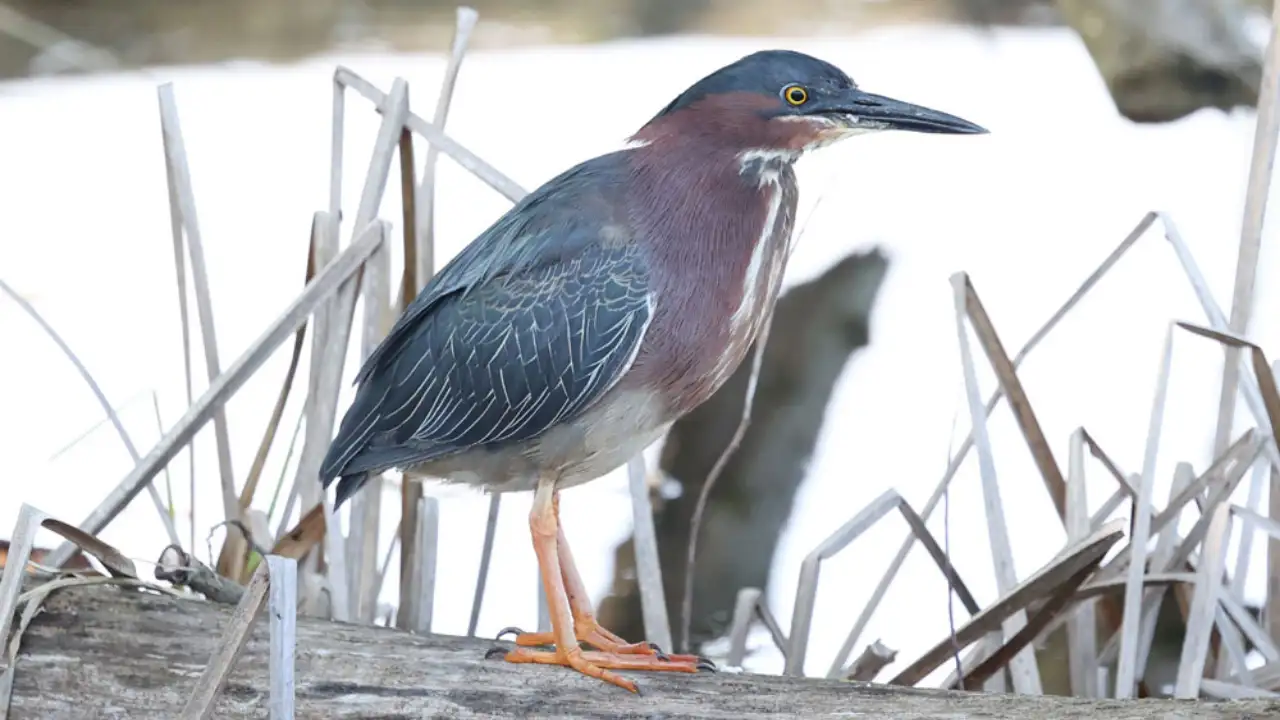
Yet the broader trajectory is striking. Land that once handled industrial materials and municipal refuse now supports a large cattail marsh, wooded areas, ponds and hundreds of recorded bird species. Tifft Nature Preserve’s history shows how an urban landscape with a heavily altered past can be managed over decades to create a functioning habitat and a place for scientific research, environmental education and public access.