PC: Wikipedia
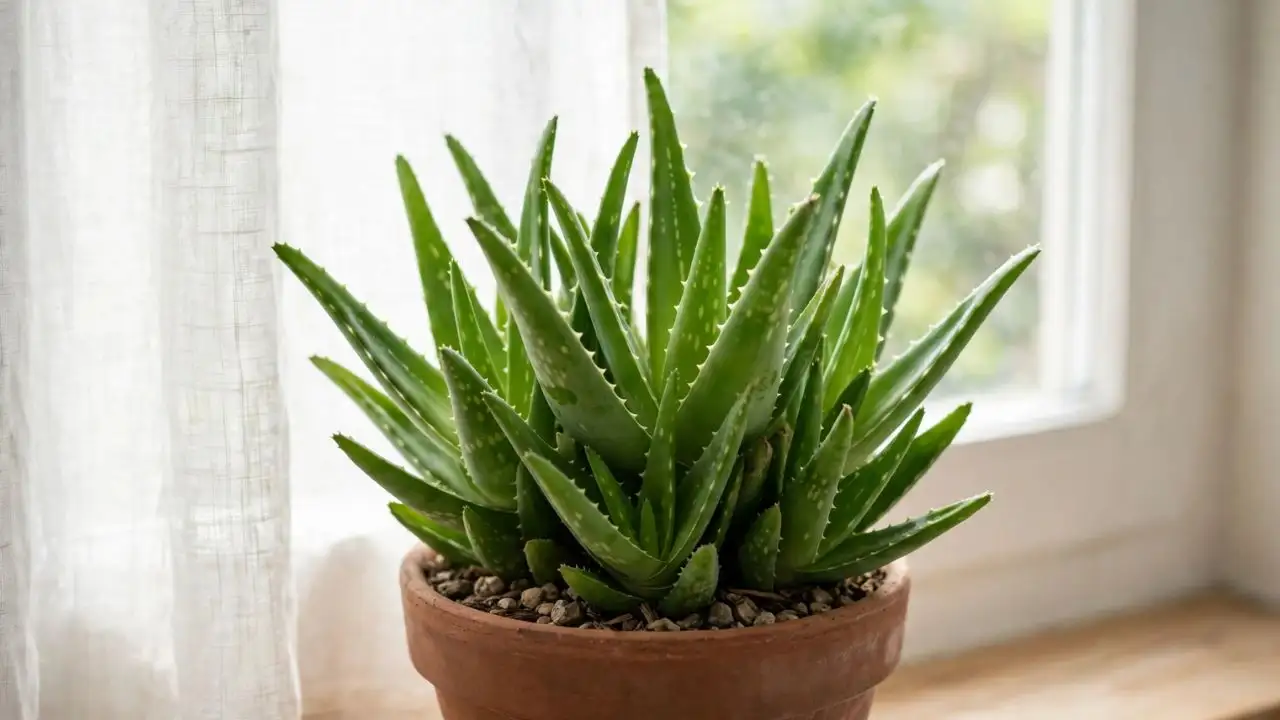
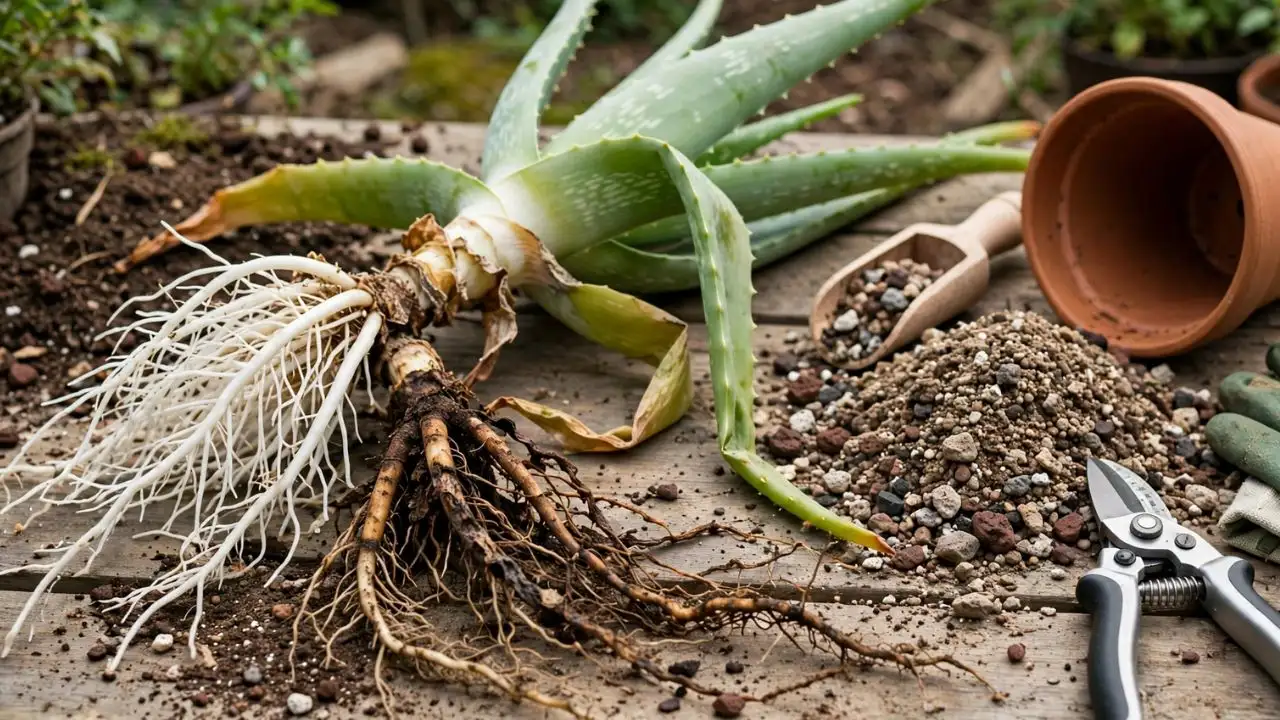
Because too little light can make the leaves grow long and weak, light is another important part of aloe vera care. Plants in our homes are often given the same basic care, but aloe vera needs a little more attention for its leaves. Its thick leaves store water, so the plant does not need frequent watering like many other houseplants. Thin and wrinkled leaves can mean the plant needs water, while soft and swollen leaves can be a sign of too much water. However, moving the plant into strong sunlight can also damage its leaves. These changes are easy to notice if the plant is checked regularly. Simple changes in watering, light, and soil can help prevent bigger problems. A closer look at the leaves can help spot problems early and keep the plant healthy. Aloe vera usually stores water in its thick leaves, so it does not need to be watered every few hours or every few days. It is better to check the plant and soil before watering it again. Thin, wrinkled, or dry-looking leaves can be a sign that the plant needs water. When the soil is dry, water the plant well and let the extra water drain through the holes at the bottom of the pot. This gives the plant enough water without leaving its roots in wet soil for too long. A closer look at aloe vera leaves can reveal whether the plant needs any change in care. Healthy leaves are usually firm and not too soft. Thin and wrinkled leaves can mean that the plant needs more water. Soft and swollen leaves can be a sign that it has received too much water. The soil should also be checked before watering the plant again. These simple signs can help spot a problem early and make it easier to give the aloe vera the care it needs. When an aloe vera plant looks soft or begins to collapse, there may be a problem with its roots. Too much water can damage the roots and make the plant weak. In this situation, take the plant out of its pot and check the roots carefully. Healthy roots are usually white, while damaged or dead roots can look brown. Remove the damaged roots with clean pruners before placing the plant in fresh potting mix. This can give the aloe vera a better chance to recover. PC: AI Generated Damaged aloe vera leaves do not always return to their original appearance, especially when they have large brown areas or have been badly affected by poor growing conditions. Severely damaged parts can be trimmed to make the plant look healthier. However, trimming the leaves alone will not solve the problem. The plant’s watering, light, and root conditions also need to be checked. Aloe vera does not need frequent feeding to grow well. Adding too much fertiliser can lead to excess salts in the soil and may damage the roots. The plant can grow in relatively natural soil, so heavy feeding is not necessary. Its growth can also change naturally with the season. Growing several aloe vera plants in one pot can make the container too crowded. As the plants grow, they need enough space for their roots and leaves. Too many plants together can also make the pot harder to manage. Give each plant enough space to grow. If the pot becomes crowded, move some plants into separate containers. Aloe vera can also attract pests such as mealybugs and scale insects. Mealybugs can look like small white, cottony insects, while scale insects can appear as small brown or black pests on the leaves. These insects feed on the plant’s sap and can weaken the plant. Check the leaves and stems regularly, especially when you notice a sticky layer on the plant. Looking for trusted parenting advice? Follow TOI Parenting Circle on Instagram for expert guidance, relatable stories, and practical tips delivered every day. Get the latest Lifestyle News and more. Download the TOI app.
Aloe vera grows well when it gets a good amount of bright light. If it is kept in a dark place, its leaves may start growing towards the light. This can make the leaves long, thin, and weak. The plant may also lose its healthy, compact shape. Moving it to a brighter spot can help new leaves grow stronger. However, aloe vera should not be moved from a dark place to strong sunlight suddenly. A sudden change can damage or burn the leaves. It is better to increase the amount of sunlight slowly and give the plant time to adjust. PC: AI Generated