
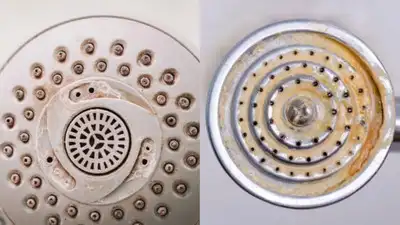
: The simple cleaning trick that can remove limescale from shower holes and help restore water pressure
Anyone with hard water at home has probably noticed it eventually: the shower that used to come out in a strong, even spray now sprays a bit sideways, a few jets seem to have stopped working altogether, and the overall pressure just isn’t what it used to be. That’s almost always limescale, the chalky mineral buildup left behind by calcium and magnesium in the water, slowly clogging up the tiny holes on the showerhead one by one. Vinegar and baking soda are the two things most people reach for automatically, and they do work reasonably well on general grime, but when the buildup has been sitting there for months and has genuinely hardened inside those narrow openings, there’s a more targeted option that plumbing and cleaning specialists increasingly point to instead: citric acid. Limescale is essentially just calcium carbonate crystallised onto a surface, and dissolving it properly requires something with a fairly specific kind of acidity. Citric acid, the same compound found naturally in citrus fruits, is particularly effective at breaking that mineral structure down at a molecular level, which is why it’s often recommended over baking soda for this exact problem. Baking soda is mildly abrasive and alkaline, useful for general scrubbing, but it isn’t especially well suited to dissolving hardened mineral deposits the way an acid is. Vinegar can help to some extent since it’s also acidic, but citric acid tends to be gentler on metal and rubber fittings while still being concentrated enough to properly loosen buildup that’s had time to set.
Plenty of shower heads are fixed in place or awkward enough to unscrew that most people won’t bother taking them apart. The method itself doesn’t require anything elaborate. Mix two to three tablespoons of citric acid powder into a container of warm water, enough to fully cover whatever part of the showerhead you’re treating. If the shower head can be unscrewed, take it off and let it soak fully submerged in that solution for anywhere between thirty minutes to an hour, giving the acid enough time to properly work into the hardened deposits inside each hole. Once it’s had time to soak, an old toothbrush is usually enough to gently dislodge whatever’s left clinging on, working over each hole individually rather than just scrubbing the surface. A thorough rinse with clean water afterwards is essential before reattaching it, since any leftover residue from the solution shouldn’t be left sitting in the fittings. In that case, the same solution can be poured into a sturdy plastic bag, which is then wrapped around the shower head and secured tightly enough that the holes stay fully submerged in the liquid without leaking everywhere. Leaving it tied on for a similar thirty-minute to hour-long window lets the citric acid work exactly the same way it would in a container, just without needing to remove any hardware first. A rinse and a quick brush-over afterward finishes the job the same way, and running the water for a minute or two once everything’s reassembled clears out any last traces of the solution. This article is intended for general informational purposes only. Always check your showerhead’s or fitting’s manufacturer guidelines before applying any acidic cleaning solution, particularly for fittings with rubber, silicone or coated components. If limescale buildup or reduced water pressure persists, consult a professional plumber. Looking for trusted parenting advice? Follow TOI Parenting Circle on Instagram for expert guidance, relatable stories, and practical tips delivered every day. Get the latest Lifestyle News and more. Download the TOI app.
How often this needs repeating really comes down to how hard the water is in a given area, the higher the mineral content, the faster new deposits will start forming again. As general upkeep, giving the showerhead a clean roughly once a month helps keep limescale from reaching the kind of stubborn, hardened stage that needs a lengthy soak to shift. Wiping the showerhead dry after each use, rather than letting water droplets sit and evaporate on the surface, also slows down how quickly new mineral deposits form. For households dealing with particularly hard water, installing a filter or an anti-limescale attachment on the shower line is generally the more permanent fix, since no amount of citric acid soaking will stop the underlying water hardness from causing the problem again down the line.