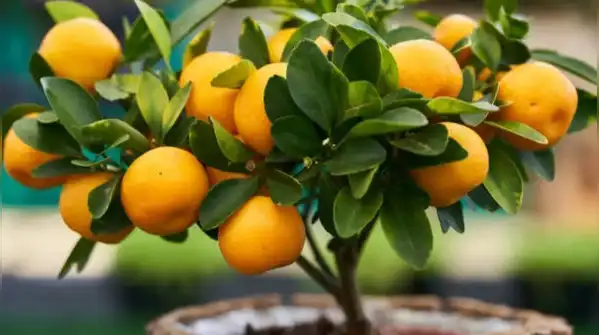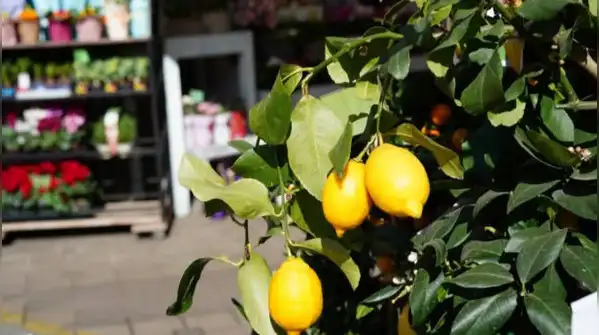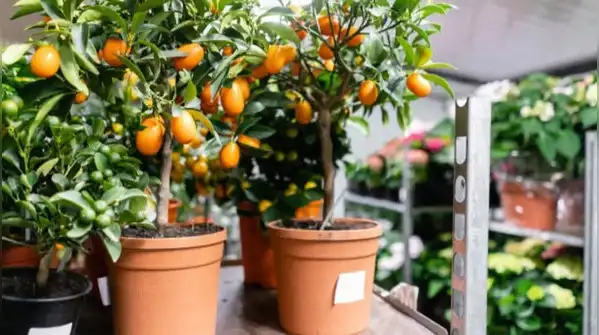
There’s a genuine appeal to picking your own lemon off a plant sitting right on your balcony, and the good news is that you don’t need a sprawling garden or an oversized container to actually pull it off. What trips most beginners up isn’t a lack of space at all, it’s the instinct to reach for the biggest pot available, assuming more room automatically means a healthier plant. With lemon trees, that’s actually backwards. Here’s how to grow one properly in a genuinely small pot, right from the start.
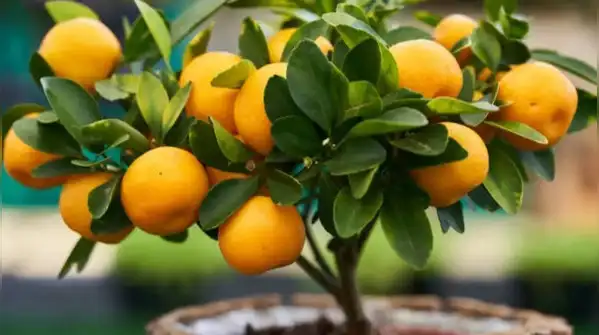
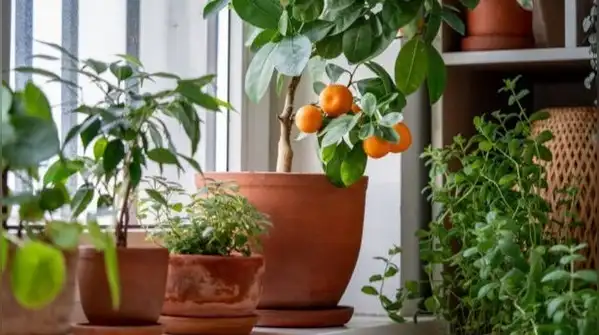
A pot around 10 to 14 inches wide, roughly 12 inches being the most commonly recommended starting point, suits a young nursery-sized plant properly, since a pot much bigger than the root ball holds excess soil that stays wet for far too long, which is exactly what leads to root rot. Because citrus roots grow downward before spreading outward, prioritise a pot with real depth over one that’s simply wide, and choose a lighter-coloured container over a dark one, since citrus roots prefer staying cool rather than heating up in direct sun. A smaller volume of soil dries out considerably faster than a larger one, which means a small-potted lemon plant genuinely needs more frequent checking, not less.
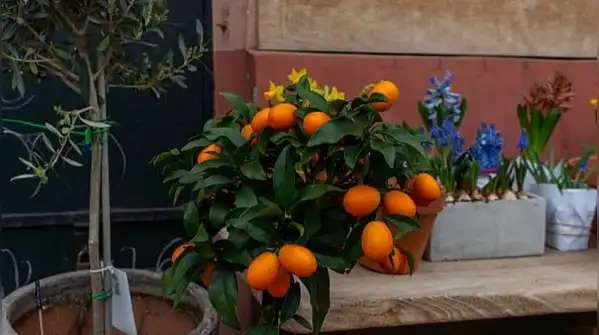
Not every lemon variety takes kindly to container life, so this decision matters before anything else. Dwarf and grafted varieties, particularly the dwarf Meyer lemon, are specifically bred to stay compact while still producing full-sized, usable fruit, unlike a standard lemon tree that would quickly outgrow any pot you put it in. Starting with a grafted sapling from a nursery rather than growing from seed also gets you to actual fruit far sooner, often within a couple of years rather than the many years a seed-grown tree typically needs. This is where the counterintuitive part comes in: starting too large is genuinely worse than starting small. Whatever material you choose, terracotta for better airflow or plastic for retaining moisture longer, large, unobstructed drainage holes are non-negotiable. A small pot leaves very little margin for soil that doesn’t drain well. Use a potting mix specifically formulated for citrus or cacti, built around ingredients like perlite or coarse sand that let water move through freely, rather than reaching for regular garden soil, which compacts far too easily in a container and starves the roots of oxygen. This matters even more in a small pot than a large one, since there’s simply less soil volume to buffer against drainage mistakes. Rather than watering on a fixed schedule, test the top two inches of soil with a finger, and water deeply, letting it drain freely from the bottom, only once that top layer feels dry. Skipping this check and watering on autopilot is one of the more common ways a small-potted citrus ends up either dried out or waterlogged. Lemon plants are genuinely sun-hungry, needing somewhere between six and eight hours of direct light daily to grow and fruit well, and a small pot doesn’t change that requirement one bit. A bright, south-facing balcony or windowsill tends to work best, and rotating the pot occasionally helps the plant grow evenly rather than leaning hard toward whichever side gets the most consistent light.
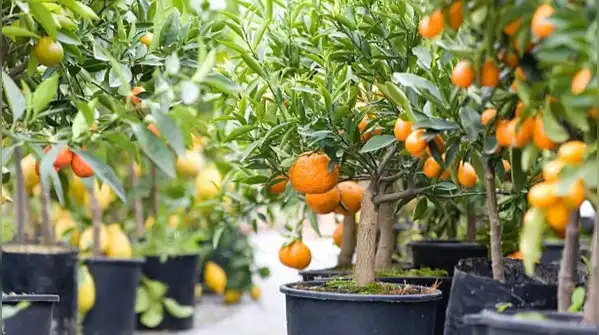
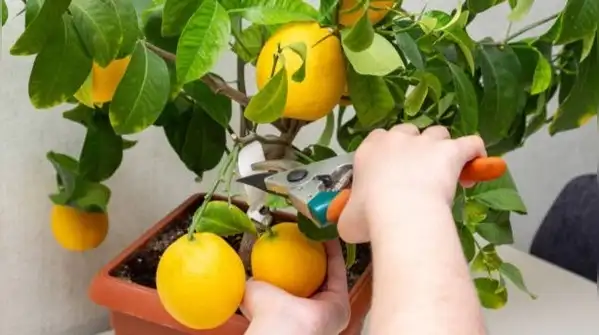
Move up gradually, into a 16 to 20 inch pot for a plant one to three years old, rather than jumping straight to a large, permanent container, since too big a jump reintroduces the same excess-soil problem you avoided at the start. As the plant genuinely fills out its starting pot, roots circling the base or growth visibly slowing are the clearest signs it’s ready for more room. Keep the original root ball mostly intact during the move, and time it for a period when the plant isn’t actively flowering or fruiting. None of this requires more space than a single sunny corner of a balcony, just the discipline to start appropriately small and resize only when the plant actually asks for it. Handled this way, a lemon plant in a small pot isn’t a compromise, it’s simply the correct way to grow one from the very beginning. This article is intended for general informational purposes only. Growth rates, fruiting timelines, and care needs can vary depending on variety, climate, and growing conditions. For advice specific to your region, consult a local nursery or horticulture expert.