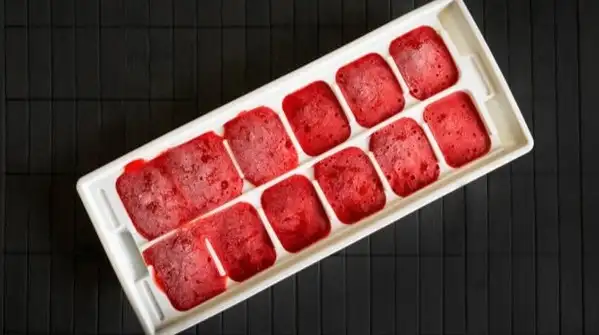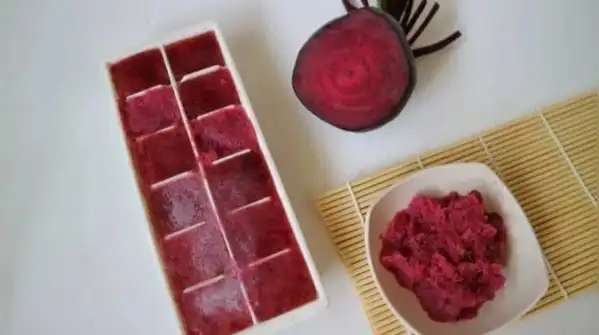
Somewhere between a kitchen ingredient and a genuine skincare staple, beetroot has carved out a following among people looking for a natural, budget-friendly way to perk up dull-looking skin. The idea behind this particular trend is simple, freeze beetroot juice into ice cubes and glide them over your face for a quick, refreshing boost, combining the vegetable’s natural nutrients with the tightening, de-puffing effect cold temperatures have long been known to offer skin. It’s genuinely easy to make at home, costs next to nothing, and takes only a few minutes of actual effort. Here’s exactly how to prepare and use it properly.
Prepare your beetroot juice
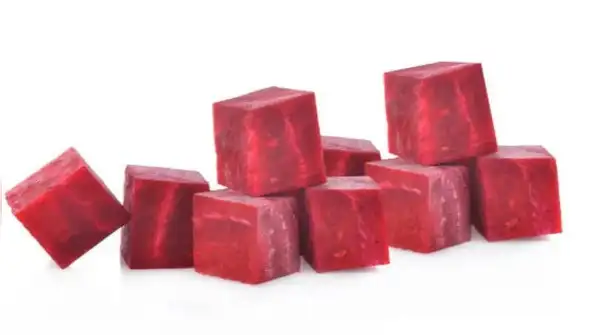
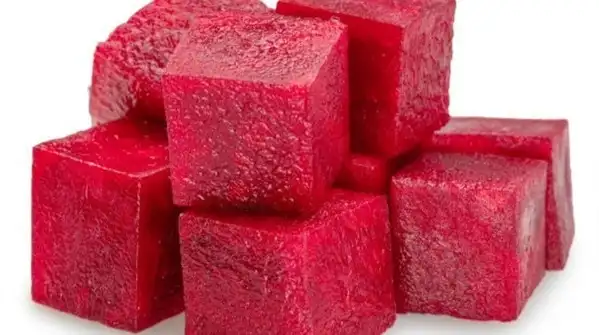
Start by thoroughly washing and peeling a medium-sized beetroot to remove any dirt or residue. Chop it into small chunks and blend it with a small amount of water until you get a smooth, well-combined mixture. If you’d prefer a cleaner, pulp-free liquid, strain the blended mixture through a fine sieve or a piece of muslin cloth, though leaving a bit of pulp in is perfectly fine too if you don’t mind the texture. several additions can enhance the final result While plain beetroot juice works well on its own. Mixing in a spoonful of aloe vera gel adds extra hydration and a soothing quality, rose water brings a gentle, calming effect, and a small amount of vitamin E oil is often added for its antioxidant properties. None of these are essential, but they’re worth trying if you have them on hand and want a slightly more rounded formula. Pour your finished mixture into a clean ice cube tray and place it in the freezer for at least four to six hours, or until fully solid. Once frozen, pop the cubes out and store them in an airtight container or a resealable freezer bag to prevent them from picking up odours from other items in your freezer, they’ll typically keep well for around two weeks stored this way. Start with a clean face, and rather than rubbing a bare ice cube directly onto your skin, wrap it in a thin, soft cloth to avoid the sharp, direct cold causing irritation, particularly if you have sensitive skin. Gently glide or massage the wrapped cube across your face and neck using small, circular motions, focusing a little extra time on puffy or dull-looking areas, for around a minute or two rather than an extended session. Using these cubes two to three times a week is generally considered enough to see the cooling and refreshing benefits without overdoing it. Applying ice to your skin too frequently or for too long in a single session can actually cause irritation rather than help, so more isn’t necessarily better here, consistency over time matters far more than daily use. This article is intended for general informational purposes only and is not a substitute for professional dermatological advice. Always do a patch test on a small area of skin before regular use, and discontinue if you notice any irritation, redness, or discomfort. Beetroot may increase skin sensitivity to sunlight, so follow up with sunscreen during the day. Individuals with sensitive skin or existing skin conditions should consult a dermatologist before trying this remedy.

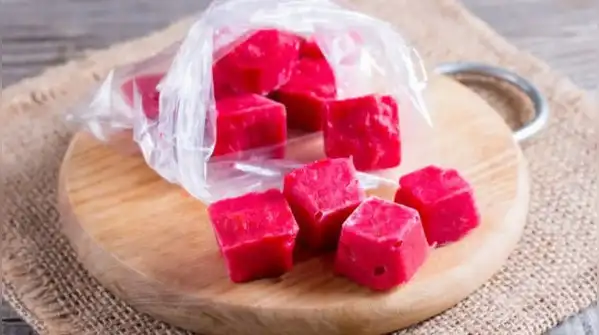


Beetroot is rich in vitamin C and antioxidants, nutrients associated with supporting collagen production and helping even out the appearance of skin tone over time. It also contains betalains, the compounds responsible for its deep red colour, which carry anti-inflammatory properties that may help calm redness and irritation. Combined with the natural cooling effect of ice, which temporarily constricts blood vessels and can reduce puffiness, the pairing makes for a genuinely sensible, low-cost addition to a skincare routine, even if it’s not going to work miracles overnight.