
3 smart tips to get rid of them
Since silverfish are drawn specifically to paper, cardboard, and natural fibres, cutting off that food supply makes a real difference. Swap cardboard storage boxes for sealed plastic containers, especially in bathrooms and wardrobes where humidity tends to linger, and avoid leaving stacks of old magazines, books, or paper clutter sitting untouched for months at a time. In wardrobes, occasionally airing out and inspecting stored clothing, particularly natural-fibre garments packed away for a season, helps you catch early activity before it becomes a genuine infestation.
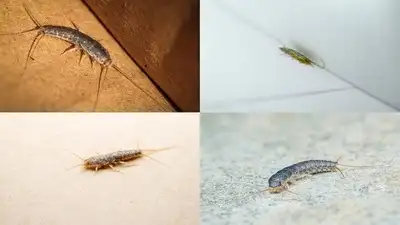
That quick, unsettling scurry of a small, silvery, fish-shaped insect darting away the moment you flip on the bathroom light late at night is a genuinely common experience, and once you spot one, it’s rarely a one-off. Silverfish have a habit of showing up specifically in two very particular spots around the house: bathrooms and wardrobes, and it’s never really random. These wingless, nocturnal insects are chasing very specific conditions in both places. Understanding exactly what draws them in is the real first step toward getting rid of them for good, rather than just squashing the one you happened to see. Wardrobes might seem like an odd second home for the same pest, but the appeal makes sense once you know their diet. Silverfish feed on starches and cellulose, which shows up in natural fibres like cotton, linen, and silk, the sizing and glue used in some fabrics, and any stored paper, cardboard boxes, or old magazines tucked away on a shelf. Combine that food source with the dark, undisturbed, rarely-opened nature of most wardrobes, and you’ve essentially built a five-star hiding spot for a nocturnal insect that actively avoids light. This article is intended for general informational purposes only and is not a substitute for professional pest control advice. If silverfish sightings persist despite addressing humidity and food sources, or if you notice signs of a larger infestation, consult a licensed pest control professional to rule out underlying structural moisture issues.