
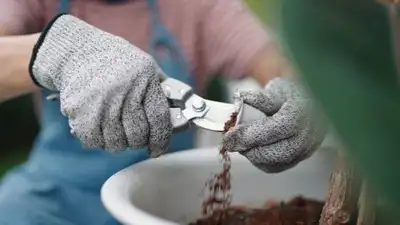
Your morning cup of coffee can do a second job in the garden. Used coffee grounds are free, easy to collect and full of organic matter, and gardeners have found plenty of ways to put them to work. They’re most useful when handled the right way, in moderation, and either added to compost or spread in a very thin layer. Here are five easy ways to make the most of them, along with the mistakes to avoid.
They count as a “green” ingredient, like grass clippings, adding nitrogen to your compost pile. Mix them with dry “brown” material such as fallen leaves, and keep them to no more than about 20% of the pile’s volume. This is the simplest and safest way to use coffee grounds. A handy recipe is three parts leaves to one part fresh grass clippings to one part coffee grounds. Paper coffee filters can go in too. After a few months, you’ll have dark, crumbly compost for your beds. If you keep a worm bin, coffee grounds make a welcome treat. Worms happily eat them, and the finished vermicompost is a rich, gentle soil booster. Add the grounds in moderation and mix them with other kitchen scraps and bedding, since too much of any one thing can upset the balance. If you don’t have a worm bin, mixing a little into outdoor garden soil also adds organic matter, as long as you give your plants a source of nitrogen too. Many gardeners sprinkle a ring of used coffee grounds around plants that slugs love, such as hostas and lettuces. Results vary, so think of it as one part of a wider approach rather than a guaranteed barrier. A thin, dry ring works best. Keep it narrow so it doesn’t clump, and refresh it after rain.