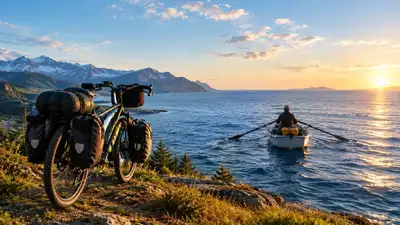
AI representation: California engineer left by bicycle and rowboat to circle Earth alone. Image credits: Chatgpt
On 10 July 2007, Seattle-based engineer Erden Eruç set out from a pier in Bodega Bay, California, to complete the first solo circumnavigation of the globe using human power, a journey that, according to Guinness World Records , involved rowing, kayaking, hiking, and cycling. Post Alley reports that he cashed out his 401(k) to fund the expedition, while Back in America describes the boat in detail. Erden Eruç arrived back at the same pier in Bodega Bay, California, on 21 July 2012, completing what Guinness World Records recognizes as the first solo circumnavigation of the globe using human power. Guinness World Records puts the journey at 5 years, 11 days, 12 hours, and 22 minutes, covering a total distance of 66,299 km (41,196 miles). The route: Bodega Bay to Bodega Bay, 10 July 2007 to 21 July 2012
He is recorded as the first person to complete a solo human-powered circumnavigation, and he was also the first to row across the three oceans: the Pacific Ocean, the Indian Ocean , and the Atlantic Ocean. Below are the route, followed by two research papers that offer context on what ocean rowing demands of the body.
He next crossed the Gulf of Mexico to Cameron, Louisiana, USA, arriving on 27 May 2012. 49 transatlantic rowers and a 10% loss of body mass No study has followed Eruç himself, but research on transatlantic rowers suggests what a single ocean crossing can demand of the body. The paper Maximal sustainable energy intake during transatlantic ocean rowing is insufficient for total energy expenditure and skeletal muscle mass maintenance appeared in Experimental Physiology in November 2023. The Experimental Physiology paper reports data from 49 rowers (32 males and 17 females, ages 24-67 years) who took part in the Talisker Whisky Atlantic Challenge, with complete datasets from 25 rowers in 2020 and 24 in 2021. The rowers worked in a continuous pattern of two- to three-hour shifts, 24 hours a day, for a minimum of 12 hours of rowing daily, according to the paper. The race covers roughly 3,000 miles, and typical race durations in the paper range from about 40 to 59 days, with the rowers in this study averaging 46 days at sea. Energy expenditure was 2.5-fold higher than the resting metabolic rate in males and 2.3-fold in females; energy intake was equal for both groups. Nevertheless, there was a significant reduction in body mass in both groups, by 10.2% in males and 10.0% in females. A 37-year-old’s 38-day solo row across the North Atlantic in 2018 The paper The Physical and Psychological Experience of Rowing the North Atlantic Solo and Unassisted was published in Wilderness and Environmental Medicine in 2020. It followed one 37-year-old man who left St. John’s, Newfoundland, on 27 June 2018. He traveled roughly 2,000 miles (3,218 km) over 38 days, 6 hours and 49 minutes before arriving at the Isles of Scilly. A hurricane named Chris prevented him from rowing for 8 days, and a normal rowing day saw him rowing for 10 to 11 hours. The study adds that only 16 people had completed the transatlantic row, while 31 attempts had failed, three of them ending with the rowers lost at sea. However, Guinness World Records shows his row between Lüderitz and Guiria from 10 October 2011 to 11 March 2012 as the record for the longest nonstop distance rowed across the Atlantic at 5,788 miles. This is almost twice the distance of the transatlantic row in the above mentioned Experimental Physiology study, and over 3 times the time spent at sea.
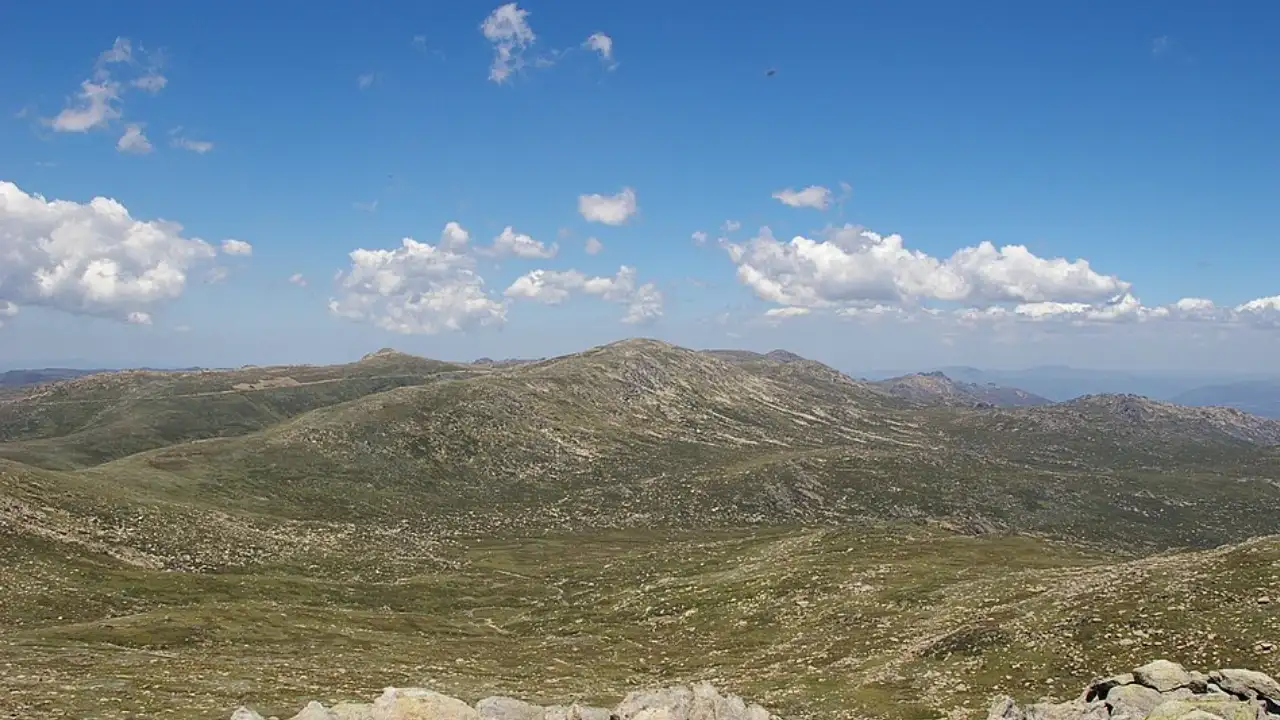
Because the study features a single rower, it cannot stand in as a profile of Eruç; it serves only as context for what a long solo ocean crossing can involve. Post Alley traces Eruç’s route up to about the halfway point of the expedition. He rowed from California to Australia, where he cycled across the country and climbed Mount Kosciuszko, the highest peak on the continent. From there, he rowed across the Indian Ocean to Tanzania and climbed Kilimanjaro. After this, he cycled to Namibia. Guinness World Records covers the Atlantic leg. Eruç rowed from Lüderitz, Namibia, to Güiria, Venezuela, and then cycled to Carúpano, Venezuela. Finally, he cycled to reach Bodega Bay. Eruç used a rowing boat on the ocean, a bicycle on land, and kayaks along the coastlines. The initial circumnavigation by Eruç took about five years, with lengthy stops in between for repairs and planning the next step in the journey. there is no exact, reliable figure for how many of those days were spent traveling and how many were spent resting Although the total duration is well documented. View from Mount Townsend towards Mount Kosciuszko. Image credits: Wikimedia Commons Energy expenditure was determined using the doubly labeled water technique during the last week of participation in the challenge. Thus, the scientists conclude that sustainable energy intake in a rower is less than the energy expenditure and energy needs of the skeletal muscles. He scored each day regarding his effort, physical feelings, and mood. Daily ratings of perceived effort, body sensations, and mood were collected during the crossing to assess its progress, transforming one athlete’s experience into an insight into the physical and psychological difficulties of unsupported ocean crossing. The research being a case study, the results obtained can only serve as an illustration and not be generalized, but nevertheless provide a unique daily account of how difficult the crossing really was. His ratings for pain, loneliness, boredom, anxiety, and frustration remained low on average, while fatigue, restfulness, positive affect, calmness, and confidence were moderate. Catch the latest World News and Live updates. Download the TOI app.