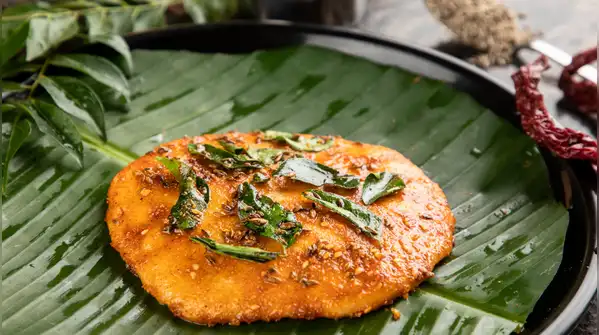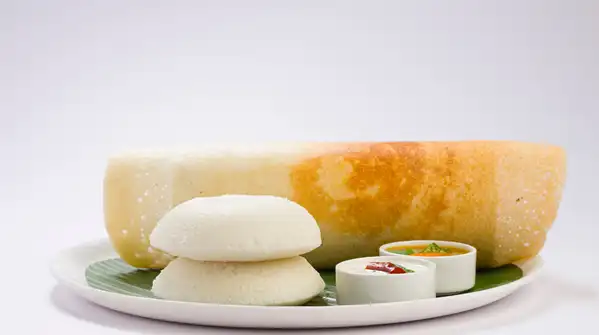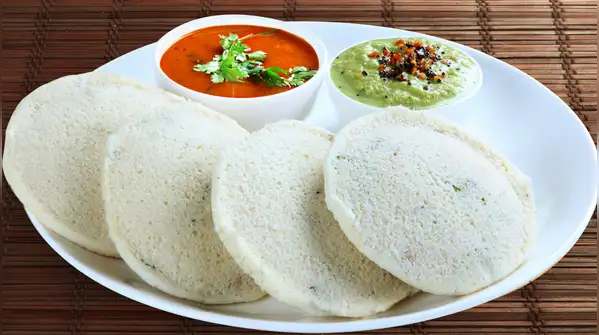
Have you ever crossed a South Indian food joint and spotted giant, plate-sized idlis stacked high behind the counter? That’s thatte idli, which is quite deeply interwoven into the culture of Karnataka. Unlike the small, dome-shaped idlis found nearly everywhere else in South India, this one is wide, flat, and irresistibly soft, closer in texture to a cloud than a rice cake.
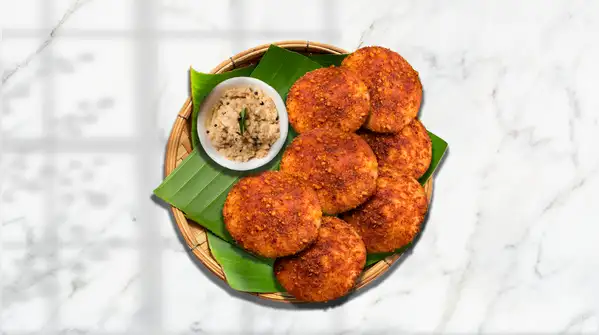
Because these idlis are wider and flatter than the regular kind, they need a slightly different steaming rhythm; medium heat works better than high, giving the idli time to cook through evenly without turning rubbery on the edges. Make sure that this time you prepare a slightly coarse texture rather than a smooth one. That contrast between smooth dal and coarse rice is kept intentionally, it’s part of what gives Thatte idli its distinctive light, porous bite. Once done, serve hot with coconut chutney, or layer with desi ghee and idli podi powder.
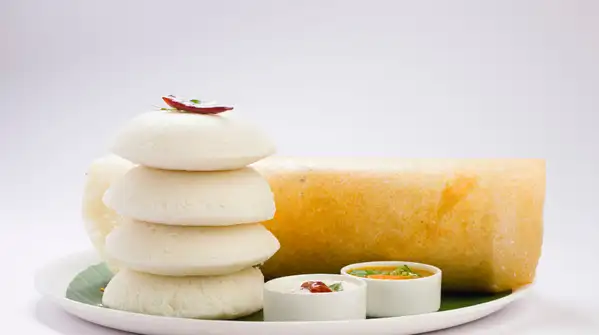
How to make Thatte Idli at home: Easy step-by-step recipe to make fluffy Karnataka plate idlis
Begin by taking 2 cups of idli rice or dosa rice/sona masuri and soak it in a large bowl for about 5 hours. In a separate bowl, soak 1 cup of urad dal for around 3 hours. Cover the mixed batter and leave it in a warm spot for 8-10 hours, or until it visibly doubles in size. Steam on medium flame for about 20 minutes, or insert a toothpick to check if it comes out clean.
Because rice and dal soften at different rates, and separating them gives better control over the final batter’s texture, soaking them apart is necessary.
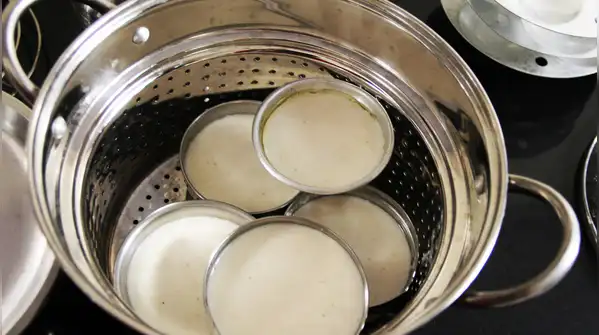
The name comes from the Kannada word “thatte,” meaning plate, since that’s what it’s steamed in instead of the usual idli mould. What just began as a practical solution at roadside stalls—using fewer utensils, quicker service, and serving one big idli instead of several small ones—slowly became a full-blown regional specialty, loved across Karnataka and popular even beyond it. Here is the simple step-by-step recipe to make Thatte idli at home: Good thatte idli starts with getting the soaking right. Once done, drain the water off both the bowls. Blend the drained urad dal first, adding water gradually, until it turns into a smooth, fluffy paste. Make sure to keep the right consistency; this is what gives the idli its softness, so don’t rush it. Set it aside in a large bowl. Next, blend the soaked rice along with ¾ cup of washed thin poha. This step decides everything. You’ll know it’s ready when the batter looks puffed up and full of tiny bubbles. Once fermentation is done, add 1½ tsp of salt and mix it in gently, as stirring too vigorously at this stage can let out the air bubbles, and it directly impacts how soft the final idli turns out. A light folding motion works better than a brisk mix. This is a perfect time to check the batter’s consistency; keep in mind it should be thick but pourable, not runny. Grease the thatte idli plates well with oil or desi ghee so the idli can be easily removed later. Scoop the batter in, filling each plate evenly, then arrange the plates in your steamer stand.