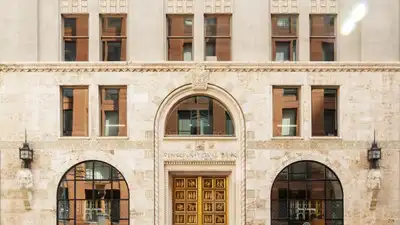
The building was originally constructed in 1907 and was later redesigned by architects Fisher & Fisher (Photos: JLL Investor Center)
Denver’s historic bank building at 821 17th Street remains completely vacant despite a $22.4 million renovation after its owner bought the property for $17.6 million in 2017. The nine-storey building, now known as The Vault, has 107,630 square feet of office and retail space in the heart of downtown Denver’s former financial district. Former Los Angeles mayoral candidate Asher Luzzatto has bought four buildings covering a combined 1.75 million square feet. Those purchases included the Denver Energy Center, which was reportedly bought for $5.25 million after having sold for $176 million a decade earlier. “It’s hard to do that with $29 million sunk into building.
Because the two types of buildings are designed differently, zieg said converting an office building into homes is not simple.
“Most buildings of any kind of stature were designed and built to a specific use,” Zieg told The Denver Gazette. Residential architecture is fundamentally different than whatever else you would do,” he said. Mosher said the low purchase prices make such conversions easier to consider. “The reason Luzzatto is doing those is that he bought them for less than 10 bucks a foot,” Mosher said. Greg Paugh, vice president and broker at Stream Realty Partners, said The Vault reflects the wider uncertainty facing downtown Denver. “For several institutional owners that have been trying to hold strong, they’ve decided it’s time to cut bait and for the few playing the long game, betting on Denver’s recovery, it’s another opportunity to capitalise on another heavily discounted sale,” Paugh said. Paugh said demand may be shifting from LoDo towards areas farther east of Larimer Street. He also said some tenants were moving from Cherry Creek and the Denver Tech Center. “The Vault sits firmly in the CBD, and this may help downtown’s perception if it truly can be revitalised,” Paugh said. But he said “it will not be in the first wave of downtown comebacks.
However, architect-engineer Bradley L. “Converting offices into residential uses is a real stretch. Zieg also pointed to problems involving heating, cooling, ventilation and plumbing. “Even if you can solve the space-planning problem, now you’ve got all the plumbing. You’ve got all the provided heat and cooling. It’s a nightmare. Eight of the building’s nine floors have been renovated and are ready for occupation The challenge for The Vault is that some newer downtown properties have changed hands at much lower prices. He added that he did not expect the historic building to sell at the single-digit prices seen for some newer towers. Catch the latest World News and Live updates. Download the TOI app.
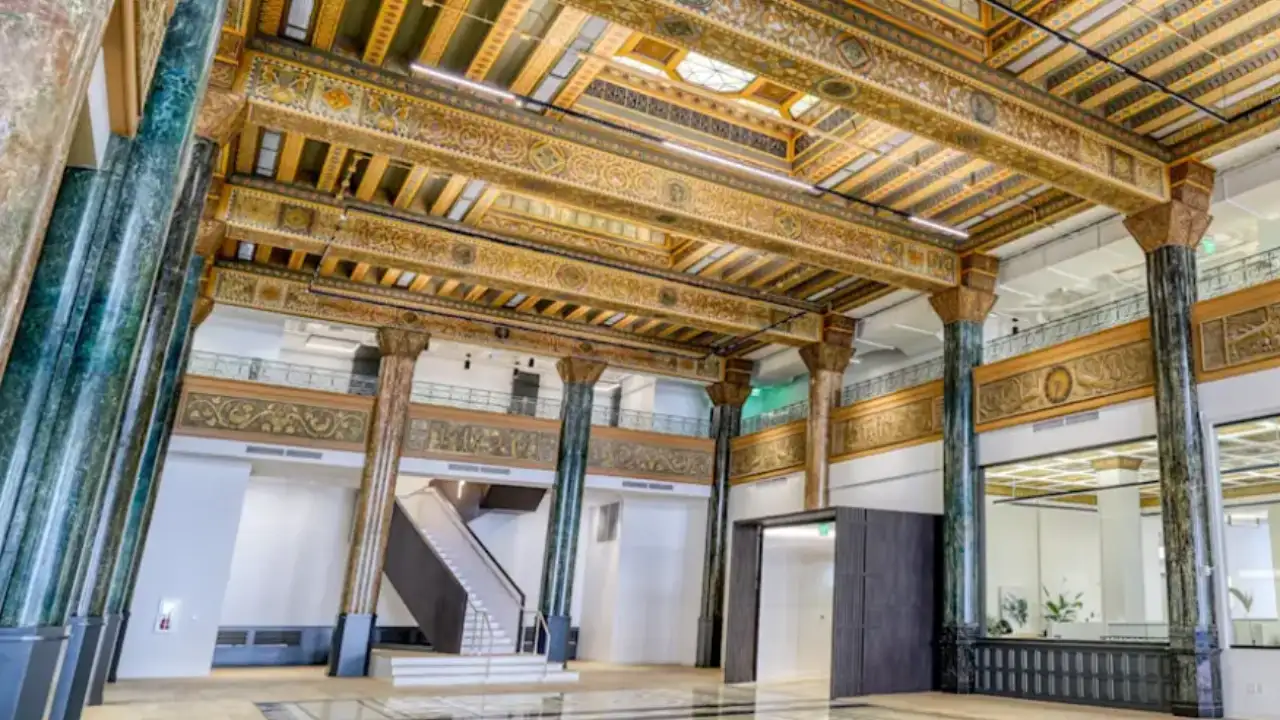
The building was originally constructed in 1907 and was later redesigned by architects Fisher & Fisher, according to The Denver Gazette. It was designated a Denver Landmark in 1977. Harbor Associates, based in Seal Beach, California, bought the building in 2017. The owner later invested more than $22.4 million in improvements, including a new lobby, restoration of the first and second floors, exterior facade work and upgrades to the building’s mechanical systems. WeWork leased about 40,000 square feet of the building in 2018 but left in 2021 as the pandemic changed office-working patterns. Office vacancies across downtown have remained high, although they have dipped slightly to around 38%, according to The Denver Gazette. Its large basement vault became the centrepiece of the Broker Restaurant, which opened in 1972 and remained there until it closed permanently in 2017. In 1978, the building also became home to Women’s Bank, which was widely recognised for its focus on women-owned businesses and lending to women. The building also has a two-storey entrance with a 23-foot ceiling JLL’s property listing describes The Vault as a ‘fully repositioned’ 107,630-square-foot office and retail landmark. The building also has a two-storey entrance with a 23-foot ceiling. The Vault has an L-shaped design, with the two wings measuring about 50 feet wide.
However, The Denver Gazette also reported that a view through the locked doors of the main floor showed areas that appeared to need additional finish work.
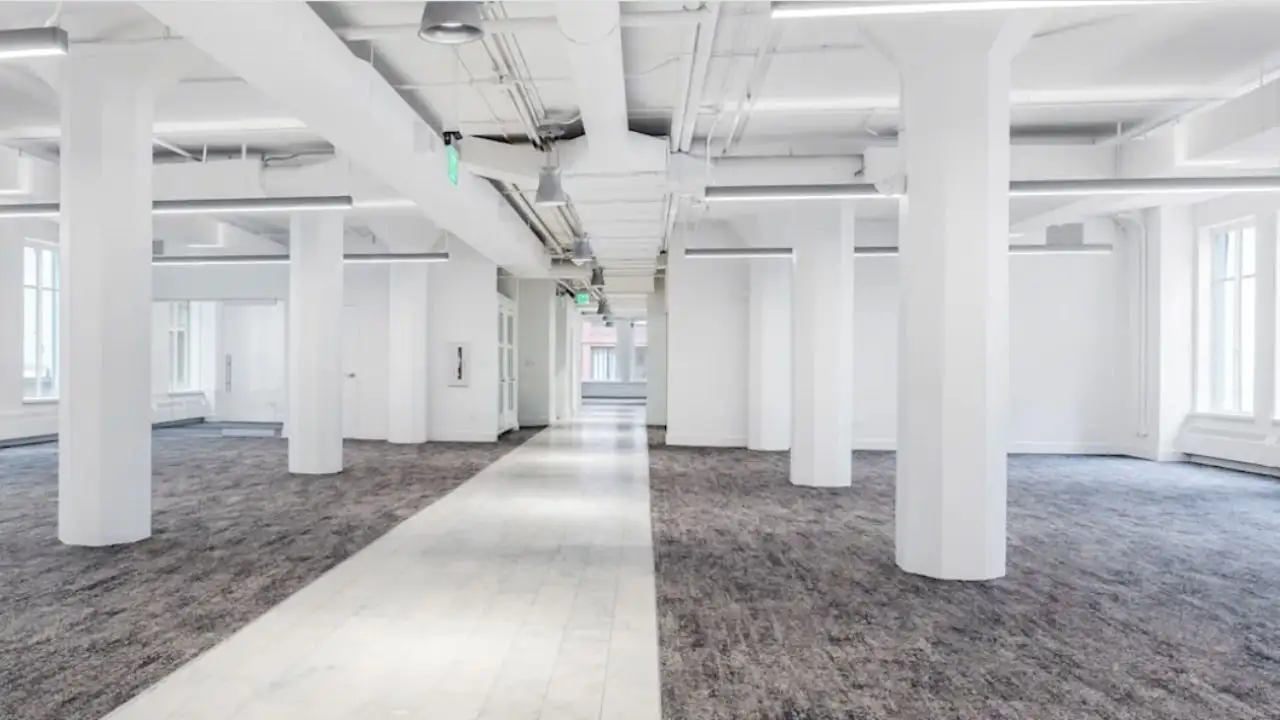
It says eight of the building’s nine floors have been renovated and are ready for occupation, with furnished office suites. The listing says the property is being offered without existing leases. Bill Mosher, a former chief project officer for the Denver Downtown Development Authority, said historic buildings can have advantages when they are converted. “Generally, historic buildings have real possibilities,” Mosher told The Denver Gazette. That layout could provide window access and floor plans that may work for apartments, according to the report.
The property was one of the financial buildings that once formed the ‘Wall Street of the Rockies’, when the area around 17th, Champa and Stout streets was a major centre of Denver’s commercial activity. JLL is now presenting the property for sale as an opportunity for office use, adaptive reuse or conversion into residential or hospitality space. Finding tenants has proved difficult, however. The Vault’s current situation reflects a much wider change in Upper Downtown Denver. Some newer office properties have also been sold at heavily reduced prices, with buyers considering residential conversions as one possible way to reuse the space. The area around The Vault once went through another major transformation. Downtown Denver’s historic commercial districts had struggled during the 1960s, when older buildings deteriorated and businesses moved away. By the 1980s and 1990s, however, parts of downtown were becoming active again as Denver developed into a sports and entertainment centre. The former bank building itself became part of that revival. That gives a potential buyer the option to continue with office use or use it for residential or hospitality conversion. JLL describes the atrium as a major feature of the property. The listing also highlights restored historic details, including stained-glass skylights, hand-painted ceiling beams and a sculpted mezzanine frieze. The possibility of converting The Vault into residential space is being considered as downtown Denver looks for ways to reduce its large amount of unused office space. “They have lobbies that are interesting spaces. The building is also much smaller in scale than some newer downtown office towers.