

Salt may be one of the most basic ingredients in the kitchen, but when you add it can change the way a dish tastes and even affect its texture. different preparations call for different approaches While it is tempting to season food at the beginning and leave it to cook. A dry vegetable, a slow-simmered curry and a crunchy namkeen, for instance, may all benefit from salt being added at different stages. The timing can influence how ingredients cook, how much moisture they retain and how the final dish comes together. Chefs and experienced home cooks often rely on this simple technique to get more balanced flavours without necessarily adding more salt.

Add 1/2 of your salt immediately after you add the onions as it accelerated the cooking process and the remaining half when you add the water and allow it to simmer for a few minutes, according to celebrity Chef Nishant Chaubey: “ If you are making a curry. Because they involve several stages of cooking, from sautéing onions and spices to adding liquids and allowing everything to simmer, curries are a different story.
Chef Gauram Kumar says, “ When you cook dry vegetables like Aloo Bhujiya, one should add salt at a later stage as it hepls retain the crunchiness of the dish. When cooking dry vegetables, particularly preparations where you want the vegetables to retain some crunch, adding salt too early may not always give the desired result. Salt can draw moisture from vegetables, which can alter their texture during cooking. This approach works particularly well for dry preparations where the ingredients are meant to remain relatively firm rather than become soft and moist. Adding salt towards the end also allows the seasoning to sit on the surface of the vegetables, giving the dish a more pronounced savoury taste. Instead of adding all the salt at once, dividing it between different stages can help season the dish more evenly. Adding part of the seasoning while cooking the onions allows the early layers of the curry to develop with some seasoning already incorporated. The remaining salt can then be added once the water or other liquid goes in, giving you an opportunity to adjust the final flavour as the curry simmers.
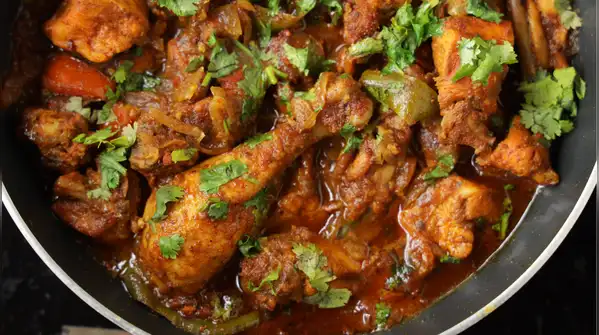
Home Chef Sushma Kumar says, “ Salt not just provides taste but also adds texture to a dish so in dry veggies and namkeens it should be added immediately before you switch off the gas. When texture is just as important as flavour, the final stage of cooking can be the best time to season. This is especially relevant for dry snacks and namkeens, where excess moisture can compromise the crunch. Adding salt right before switching off the gas can help preserve the character of a dry preparation while ensuring the seasoning remains noticeable. It is also useful when you want the salt to coat the ingredients rather than become deeply absorbed during a longer cooking process. There is no single rule that works for every dish. For curries and gravies, seasoning in stages can help build flavour throughout the cooking process. For dry vegetables and crunchy preparations, waiting until later can help protect the texture. The most useful habit is to think about the dish you are making before reaching for the salt. Ask whether you want the ingredient to soften or remain crisp, whether the dish contains a lot of liquid and whether the seasoning needs time to blend into a gravy or simply coat a dry preparation. Salt is not merely a finishing touch. Used at the right stage, it can become part of the cooking technique itself, helping bring out flavour while shaping the texture of the final dish.