There’s nothing quite as disappointing as biting into an apple you picked out carefully at the store, only to find it mealy, bland, or worse, weirdly sour when you were expecting something crisp and sweet. Most of us just grab whatever looks shiny and red without really knowing what we’re actually looking for, and honestly, colour is one of the least reliable indicators of a good apple. There are a few simple, genuinely useful tricks that fruit vendors and seasoned shoppers swear by, and once you know them, you’ll rarely end up with a disappointing apple again. Here are five tips worth keeping in mind the next time you’re at the fruit stand.
Evaluating Apple Ripeness Through Scent
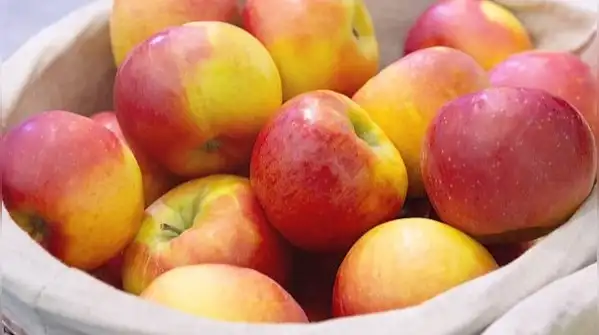
Ripe apples, particularly sweeter varieties, emit a distinct fruity aroma near the stem. This scent indicates optimal ripeness and flavor. If an apple has no smell when brought close to the nose, it may have been harvested too early or may have lost its fragrance over time, along with some natural sweetness.
A faint, sweet aroma typically suggests a delicious apple awaits inside. In contrast, an apple that appears visually appealing but lacks scent is often disappointing in taste. Therefore, using your sense of smell can be a reliable method for assessing apple quality before purchase.
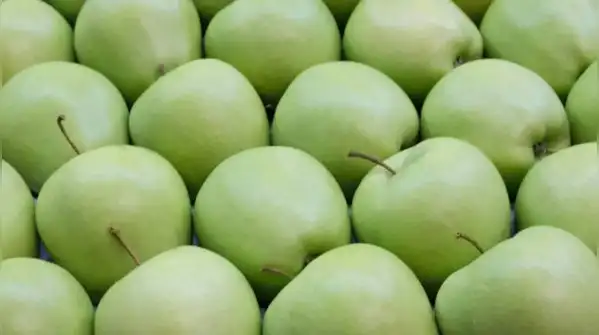
This is probably the most underrated trick out there, and it takes barely two seconds to do. Pick up the apple and feel how heavy it is relative to its size, since a genuinely fresh, juicy apple will always feel noticeably heavier than it looks. A lighter apple, even if it’s the same size as a heavier one sitting right next to it, usually means the fruit has started losing moisture internally, which often translates to a drier, less flavourful bite. So next time, skip the ones that feel surprisingly light in your hand, no matter how good they look on the outside. Colour alone can be deceiving, since apples of the exact same variety can range in shade based on sunlight exposure during growth rather than actual ripeness or sweetness. What matters far more is firmness. Gently press the skin with your thumb, and it should feel taut and resist a little rather than give in easily. A soft spot anywhere on the apple, even a small one, usually signals the beginning of bruising or spoilage underneath the surface, and it’s worth skipping that particular fruit even if the rest of it looks perfectly fine at first glance. The area right around the stem tells you more about freshness than most people realise. A fresh apple usually has a stem that still looks slightly green and firmly attached rather than dry, shriveled, or missing entirely. If the stem area looks sunken or the skin around it appears wrinkled, that’s often an early sign of dehydration, meaning the apple has been sitting around for a while and has likely started losing some of its crispness and sweetness in the process, even if the rest of it still looks reasonably fresh. This one sounds a little unusual, but it genuinely works and is a trick many experienced fruit sellers rely on themselves. Give the apple a light tap with your knuckle, similar to how you might check a watermelon, and listen for a solid, slightly dense sound rather than a hollow or dull thud. A denser sound usually indicates the flesh inside is firm and juicy, while a hollow, empty-sounding tap can mean the apple has started drying out internally, even when everything on the outside still looks completely fine. This article is intended for general informational purposes only. Apple sweetness and freshness can vary by variety, season, and region. For specific concerns about fruit quality or freshness, consult a local vendor or agricultural expert.