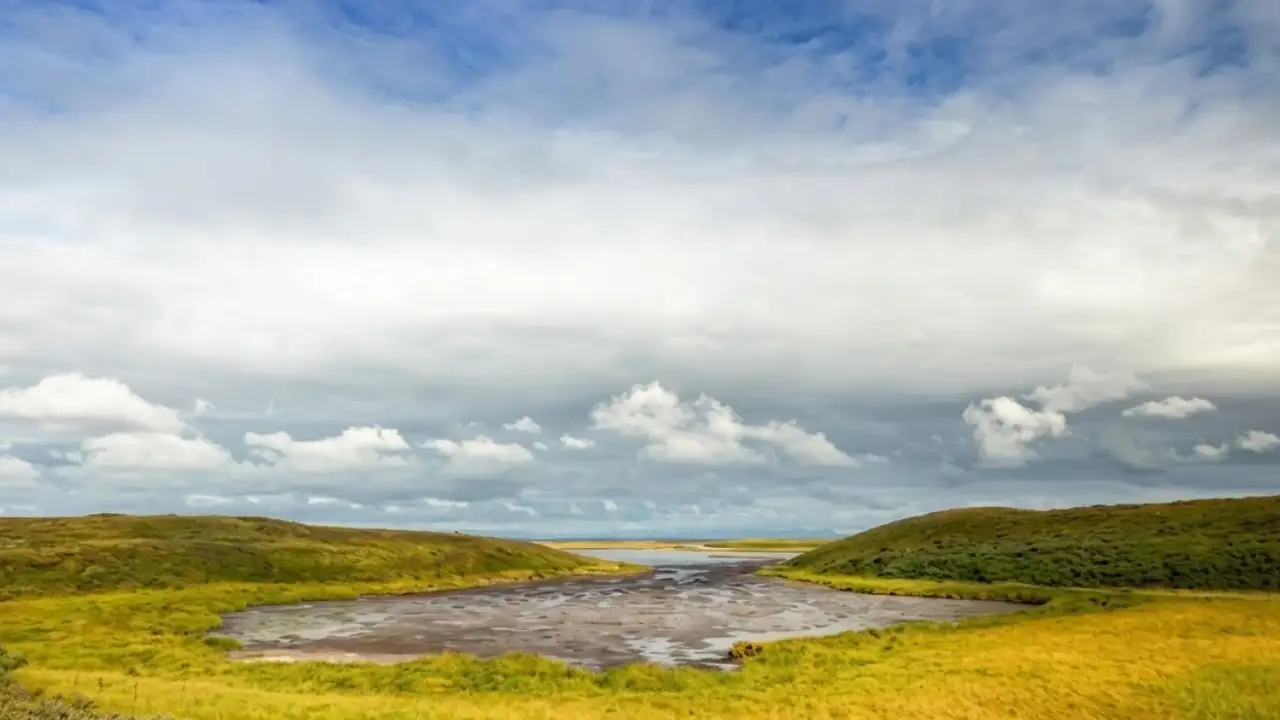
The land being transferred to SpaceX is part of the 103,000-acre Lower Rio Grande Valley National Wildlife Refuge.
A federal judge has refused to block a land swap that would give SpaceX more than 700 acres of a wildlife refuge in Texas. The land being transferred to SpaceX is part of the 103,000-acre Lower Rio Grande Valley National Wildlife Refuge.
The plaintiffs had argued that the deal could increase ecological risks in the Gulf Coast region, which has already been affected by the expansion of SpaceX’s rocket operations, according to news agency Associated Press. The decision allows the Trump administration to move ahead with the exchange while environmental groups and tribal groups continue their legal challenge. The refuge stretches across four counties along the Texas border and contains animal habitats as well as historical landmarks. The land SpaceX would receive is closer to its launchpad near the US-Mexico border.
US District Judge Fernando Rodriguez Jr on Monday rejected a request from the groups for a preliminary injunction to stop the exchange.
Under the deal, SpaceX would give the federal government 683 acres that it owns in return for more than 700 acres of federal refuge land. The agency’s final assessment covers an exchange of about 715 acres of Lower Rio Grande Valley National Wildlife Refuge land for about 683 acres of privately owned SpaceX land. We won’t stop fighting to keep this irreplaceable public wildlife refuge safe from SpaceX bulldozers,” Jordahl said in a statement as quoted by AP.
The final environmental assessment from the agency said the exchange would have no significant impact on the area and would provide a ‘net conservation benefit’. Laiken Jordahl, a spokesperson for the Center for Biological Diversity, described the exchange as a transfer of public land to SpaceX and said it could allow construction activity to move into the refuge. He said the organisation would continue its legal challenge even after the judge refused to issue the preliminary injunction. Rodriguez said the groups challenging the exchange had not provided enough evidence to show that the land would suffer environmental, cultural, historical or aesthetic damage while the lawsuit was still being considered. The judge described the evidence of environmental harm presented by the plaintiffs as “relatively weak”. He also said that although the groups were right to argue that protecting wildlife and historical land serves the public interest, they had not shown that the property would suffer the type of damage required to justify a preliminary injunction. “While they rightfully argue that the preservation of wildlife and historical lands furthers the public interest, they present no evidence demonstrating that the Property will suffer aesthetic, environmental, cultural, or historical degradation during the pendency of this lawsuit,” Rodriguez wrote in his ruling. He said an injunction would require changes to the company’s development plans and could create additional difficulties for SpaceX in meeting its milestones and contractual obligations. Environmental groups have said they will continue pursuing the case as the land exchange moves forward, according to The Texas Tribune. The Fish and Wildlife Service’s final environmental assessment said the exchange would not cause a significant impact to the area. The agency said acquiring the land from SpaceX would provide long-term conservation value and improve habitat connectivity across wildlife refuges in South Texas. The federal government said the exchange would consolidate refuge holdings and improve the management of protected habitat.
The US Fish and Wildlife Service approved the land exchange in June. The land exchange has faced opposition from environmental organisations and tribal groups. The Center for Biological Diversity was among the groups that filed the lawsuit against the exchange. The opponents asked the court to stop the transfer while their broader legal challenge continues. “This court order is not the final word. These lands hold incredible spiritual, historical and conservation value for the people and wildlife of South Texas. The lawsuit has also raised concerns about the wider impact of SpaceX’s expansion in the area. Environmental groups say the land swap could allow SpaceX construction on public refuge land. The judge also considered the possible effect of blocking the exchange on SpaceX. The ruling, however, does not end the wider legal challenge. SpaceX has expanded its Texas operations rapidly since first breaking ground there more than a decade ago. Get the latest technology news and updates. Download the TOI App.
Opponents have previously criticised the company over its growing footprint, including concerns about access to beaches and rocket launches and explosions. Its employees voted last year to incorporate their own local government, called Starbase, in the area.