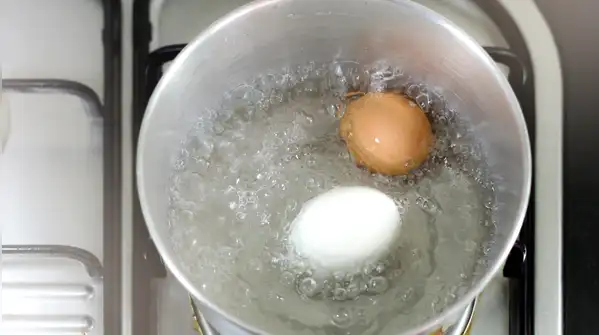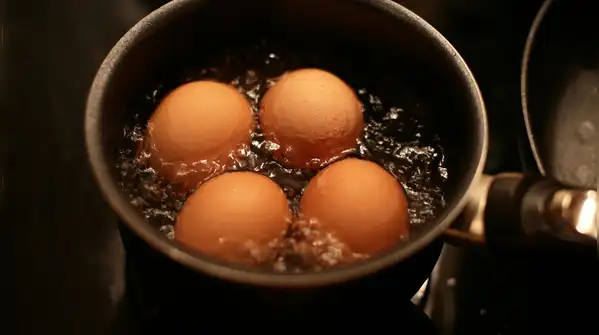
Boiling an egg sounds almost foolproof: put eggs in water, turn on the heat and wait. Yet the familiar sight of a cracked shell floating in the pan can turn a simple breakfast into a small kitchen mess. Sometimes the shell splits almost immediately; at other times, a fine crack appears halfway through cooking and egg white begins to seep into the water. The good news is that cracked eggs are usually the result of heat, pressure or rough handling rather than a mysterious cooking failure. Here are five common reasons eggs crack while boiling, along with simple ways to keep the shells intact.
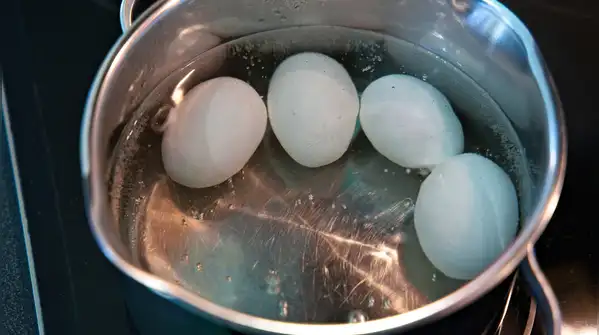
Once it starts boiling, reduce the heat to a gentle simmer and cook according to how firm you want the yolks. One of the most common causes is a sudden temperature change. A cold egg dropped into already boiling water experiences a rapid shift in temperature. The shell and the contents inside it expand at different rates, which can put stress on the shell and cause it to crack. How to prevent it: Let refrigerated eggs sit at room temperature for a short while before cooking if convenient. An even safer approach is to place the eggs in cool or room-temperature water first and then bring the pan gradually to a boil. Not every crack is obvious before cooking. Eggs can develop hairline fractures during packing, transportation or handling. Once the egg is placed in hot water, heat and internal pressure can make these tiny cracks spread. How to prevent it: Check each egg before boiling. Hold it under good light and look for visible cracks or damaged areas. If the shell is already cracked, it is better not to use that egg for boiling. When too many eggs are packed into a small pan, they have little room to move. As the water heats and begins bubbling, the eggs can knock into each other or against the cookware. Crowding can also make it harder to maintain an even cooking temperature. How to prevent it: Use a pan large enough to hold the eggs comfortably in one layer, with enough water to cover them by about an inch. If you are cooking a large batch, use a bigger pan rather than stacking the eggs. For a more reliable result, place the eggs gently in a saucepan and cover them with cool water. Bring the water to a boil over medium heat. When they are done, transfer the eggs to ice water. This stops the cooking process and also makes them easier to peel. If an egg does crack during boiling, a little white escaping into the water does not necessarily mean the entire batch is ruined. But if you want smooth, intact shells, the biggest safeguards are simple: avoid sudden temperature changes, handle the eggs gently and keep the water at a controlled simmer rather than a furious boil.