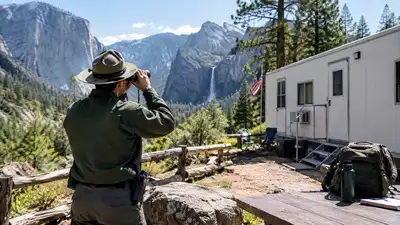
Representative image of a seasonal park ranger living and working in a remote national park. Image credit: ChatGPT.
In 2023, Andrew Coval made an unusual career change. The Philadelphia lawyer left his legal work behind, drove a 2000 Toyota Camry across the United States and arrived in California to work as a seasonal ranger at Yosemite National Park. The job came with a very different lifestyle: long days outdoors, shared accommodation in an old FEMA trailer and an hourly wage of $16.14. Yosemite recorded 3,897,070 recreation visits in 2023, placing enormous demands on the people responsible for keeping the park functioning during its busiest months, according to the National Park Service . Nearly 75% of Yosemite’s visitors typically arrive between May and October, precisely when seasonal workers become especially important. The people working at Yosemite have to manage a park that spans about 759,620 acres, with approximately 800 miles of trails and hundreds of facilities. In his writing in 2025, he mentioned how thousands of seasonal employees were affected by the new federal hiring procedures, which threw their appointments into disarray.
Because the opportunity to work as a ranger mattered more to him than the pay, he said in his article that he was comfortable earning $16.14 an hour. He pointed out that some employees might decide not to come back in the end, while for others there would be delays due to the hiring and processing system. Because it shows how different work can look when the goal is to live in a national park rather than in a law firm, his move from a legal career in Philadelphia to a FEMA trailer in Yosemite stands out.
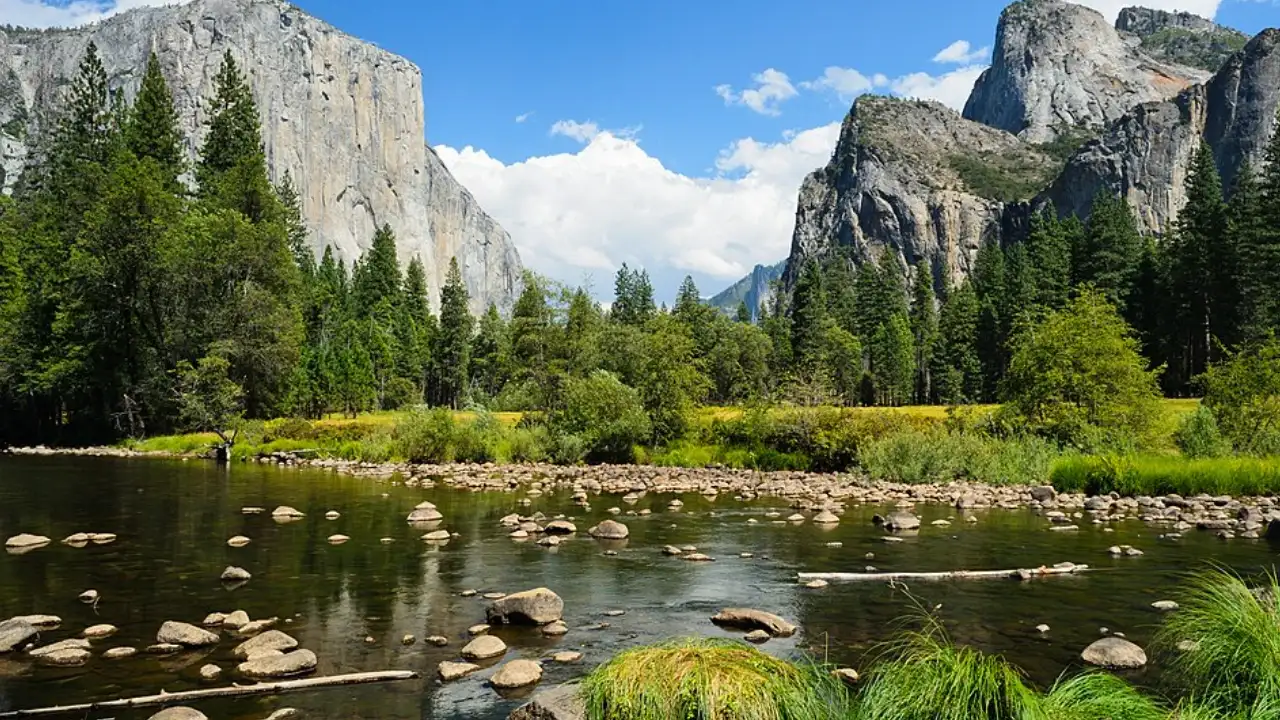
A very different life in Yosemite The San Francisco Chronicle notes that Coval said his first year was a total contrast to his previous professional career. He was required to perform tasks such as checking campers, answering queries, dealing with bear-related issues regarding food storage, putting out campfires, and solving campsite-related issues, according to Coval. For Coval, however, the attraction was not the pay or the comfort. It was the opportunity to work inside one of America’s most recognisable national parks. In place of the Philadelphia office, he worked among campgrounds, roads, forests, and visitor centres. He resided in park housing in an old FEMA trailer along with two other seasonal workers. His job was equally varied. Sometimes, he had to do some rather unpleasant things as well. The National Park Service also describes seasonal jobs as an important part of its workforce. The work can vary widely, from talking to visitors and maintaining park facilities to helping with resource management and law enforcement. Many of these positions are available during the summer, when more visitors arrive in the parks. For Coval, the seasonal job was also a chance to get closer to the career he had always wanted. The following year, he returned to Yosemite as an interpreter, leading educational programmes and answering visitors’ questions at the Big Oak Flat Visitor Centre. What seasonal rangers actually do The job of a park ranger can be seen as just giving maps or directions to park visitors. The role involves far more than that. The National Park Service has documented hundreds of automobile accidents and multiple search and rescue missions every year. That workload becomes more complicated when millions of visitors arrive within a relatively short period. Yosemite’s visitor-access planning documents identify congestion, long entrance queues, pressure on facilities, human waste and insufficient staffing during periods of heavy use among the challenges created by intense visitation. Research published in Environment Systems and Decisions examined the working conditions of rangers across protected areas and found that many face hazardous environments alongside employment insecurity, inadequate income and limited workplace protections. Image Credits: Wikimedia Commons. When a dream job meets a difficult system Coval’s story also illustrated how susceptible seasonal work was. His tale came at a time when the entire NPS workforce was being examined. In fact, Yosemite National Park relies heavily on seasonal workers. For Coval, the appeal of Yosemite was easy to understand. He had traded a normal career path for one that involved sunshine, camping, shared rooms, and low hourly pay. However, the decision highlights the untraditional nature of jobs at national parks in the United States: for some people, working in a landscape for a season is worth it, even without the professional benefits. Catch the latest World News and Live updates. Download the TOI app.