

Representative image of a kayaker commuting across the Hudson River toward Manhattan. Image Credits: ChatGPT.
Schwitzky and his friend Erik Barber began kayaking to Manhattan in 2012 after growing tired of their usual commute, according to Gant News. Four years later, Schwitzky was still making the crossing, with his journey from home in Hoboken to his workplace taking about 45 minutes in total. He spent roughly 20 minutes kayaking across the Hudson, then walked the rest of the way to his office. In 2012, they decided to look for a way of crossing the river on their own terms. They began making the journey in February 2012, sometimes wearing wetsuits as they dealt with the cold water. Usually, they set off from Hoboken and headed to Pier 66 near West 26th Street in Manhattan. At one point, Schwitzky even moved his 12-foot kayak through Manhattan using a dolly. A 45-minute commute with a very different view By 2016, the novelty had worn off for Schwitzky. He would spend twenty minutes paddling, after which he would walk to his office and complete his journey in about 45 minutes.
For most commuters, crossing the Hudson River means taking a train, waiting for a bus or paying for a ferry. For Zach Schwitzky, the journey from Hoboken, New Jersey, to Manhattan became a daily paddle. What began as an unusual response to a frustrating commute became a routine that combined his trip to work with exercise, quiet time and a direct route across the river. From a late-night bus stop to the Hudson The idea came from frustration rather than from a formal transport experiment. Schwitzky and Barber worked in digital media and dealt with the usual hassles of getting between Hoboken and Manhattan. CBS News notes that their first attempts were far from the polished routine Schwitzky would later describe. The pair had relatively little kayaking experience and initially paddled the Hudson together. By June, they were averaging four days a week on the river. The water crossing was less than a mile, but the commute involved much more than paddling. At times, they would dock their kayaks at the marina, while at other times, they would carry them by pushing them on the street to reach their workplace. The unusual sight drew plenty of attention along the way. They also had to make logistical arrangements, especially to keep workplace equipment dry. Commuting by kayak had become part of his daily routine. The arrangement had clear benefits. Schwitzky was not bound to the schedules of the buses or trains, and could leave work whenever he wished. The commute also doubled as his exercise routine, especially since he worked long hours as an entrepreneur. Image Credits: Wikimedia Commons.
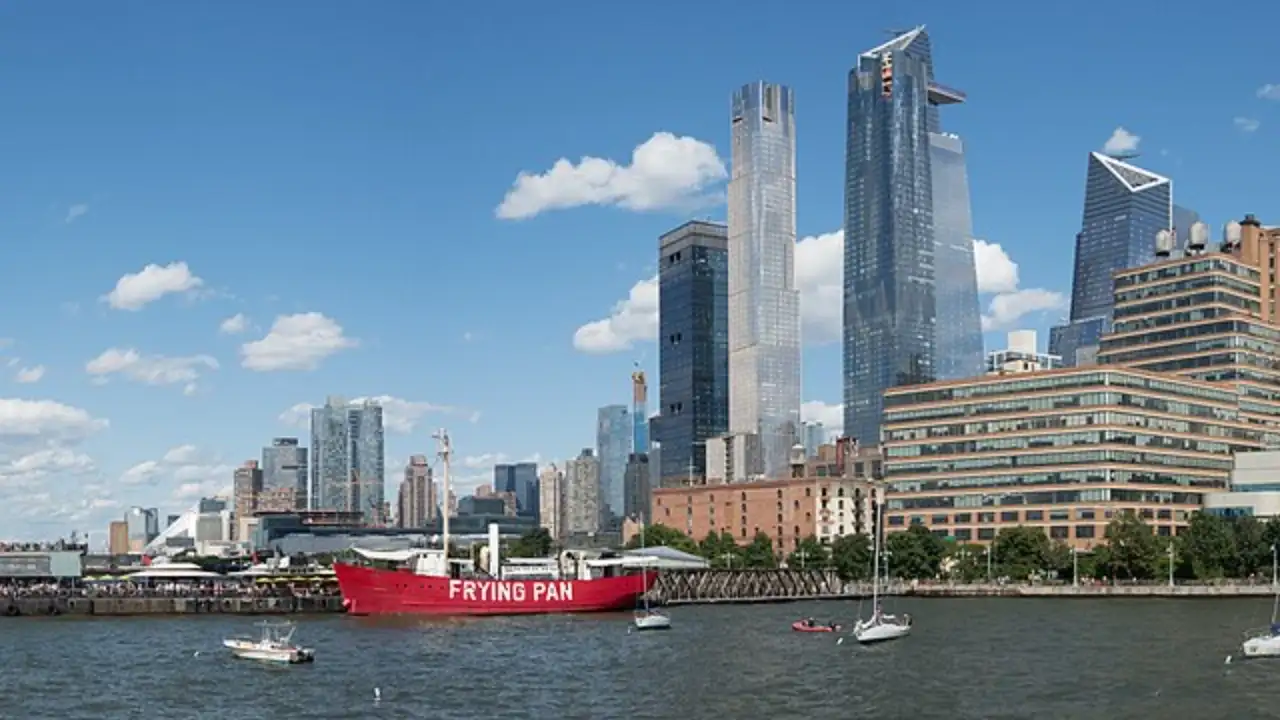
For that reason, they had to leave before 7 a.m. , before the river became busier with boat traffic.
When exercise became part of the journey According to research published in Preventive Medicine , walking and cycling to work were linked to better physical wellbeing among working adults, although the study did not find a significant link with mental wellbeing. The river also offered something public transport could not: a quiet sense of escape. Those who set out early could find themselves paddling through morning fog or watching the sun rise as the Manhattan skyline slowly appeared across the water. But the trip came with its own risks. Paddlers had to keep an eye out for water taxis, barges and the wakes they left behind, which could suddenly make the water rough. The research did not look at kayaking, but it helps explain why turning a commute into a form of exercise could have appealed to Schwitzky. For Schwitzky, the kayak was not just a way to get to work. After four years, what had once seemed like an unusual commute had become part of his everyday routine. Schwitzky simply picked up his paddle and crossed the river While other commuters dealt with traffic and crowded trains. You use AI every day. Now get your AI Quotient. Take the AIQ test.
It gave him a chance to exercise, spend some quiet time on the water and clear his head before the working day began.