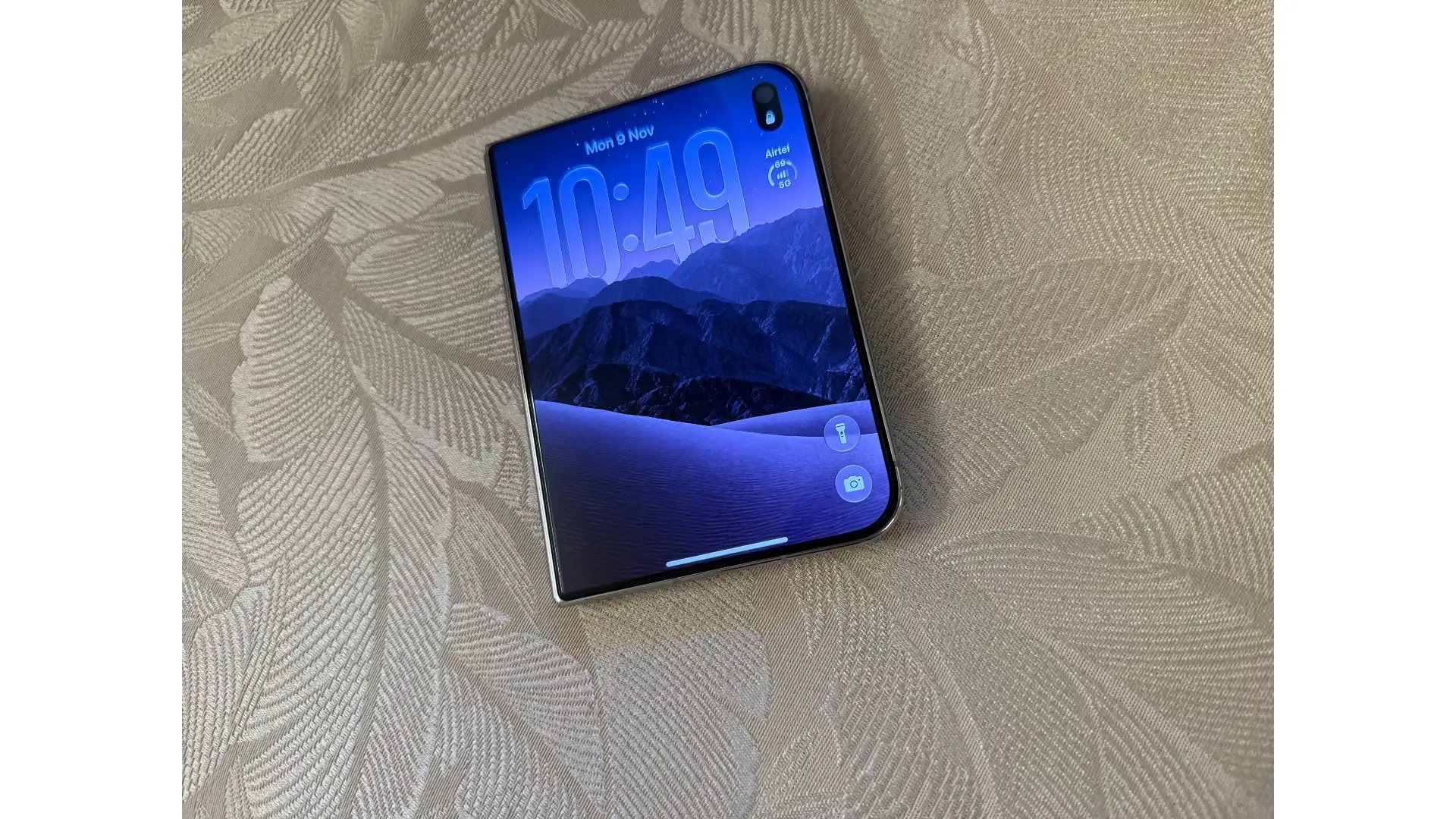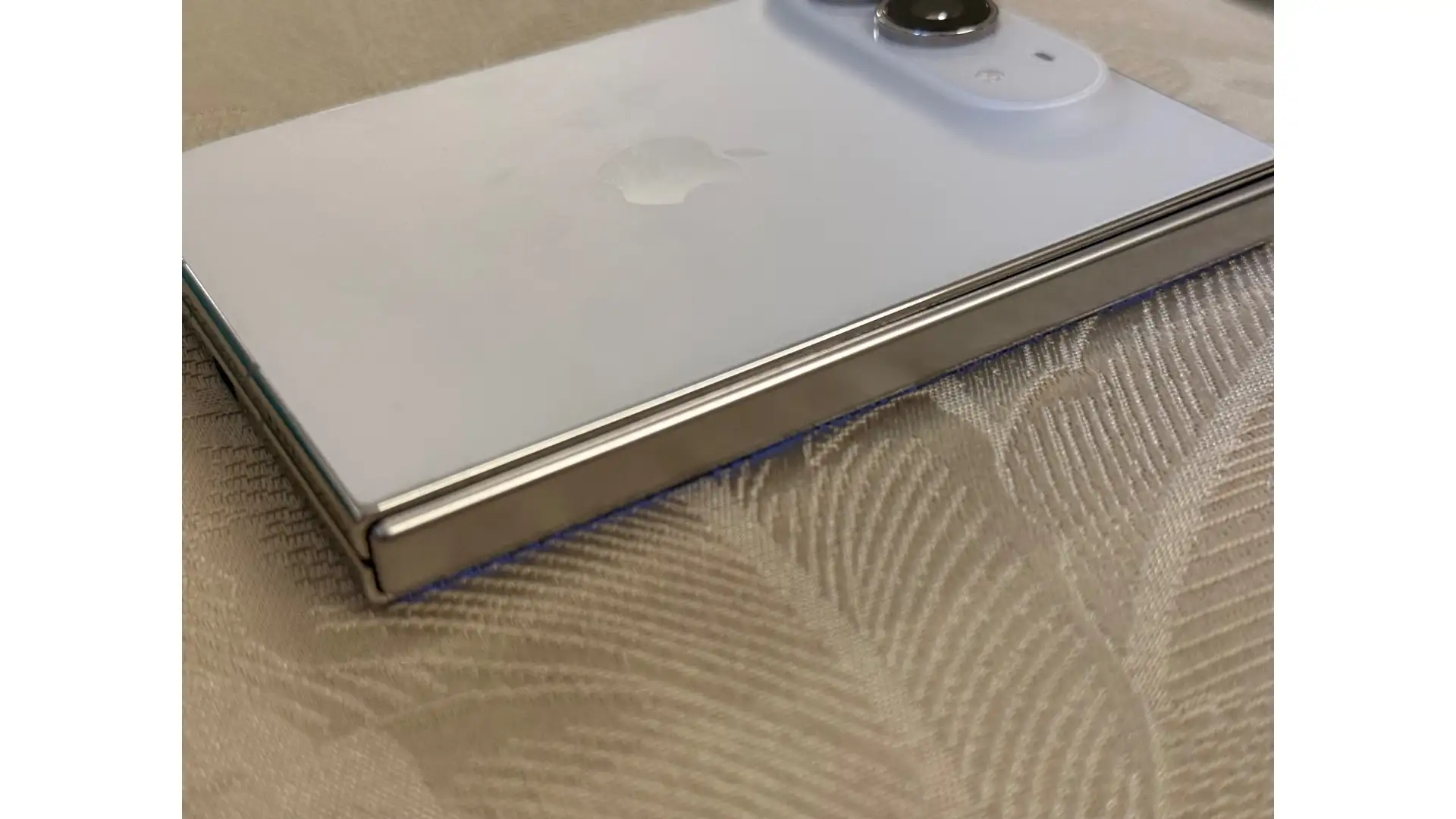
Rs 3 lakh for a phone is a very hard sell. Even for Apple. You can admire the engineering, appreciate the larger screen and see the appeal of bringing two devices together. It is still a considerable amount to spend on a phone.
Living with the iPhone Duo hasn’t made that number easier to digest. It has, however, made the phone considerably harder to put down. What begins as curiosity about Apple’s first foldable gradually turns into a preference for having that extra screen within reach. It is a very good phone, and an indulgence. There are adjustments to make and some compromises to consider, but there is also plenty here that makes everyday use more enjoyable. The iPhone Duo is easier to appreciate after using it for a couple of weeks. The novelty of folding a phone wears off quickly. Having a bigger screen within reach turns out to be useful far more often than you might expect, even for something as simple as reading the news. The absence of Face ID is the biggest adjustment. After years of using an iPhone, you pick it up expecting a glance to get you in. Your face does the administrative work. This feels more like an iPad Pro sort of purchase to me: something you could happily keep for several years, with a substantial update every two years offering a more compelling reason to reconsider. That would give both the hardware and the apps time to develop. I’m not sure I would feel the usual September temptation quite as strongly with this device. The battery comfortably got me through a full day. Most evenings there was enough left to skip plugging it in, and I often made it into the next day before reaching for a charger. The catch is that the Duo invites more use. One article becomes three. A video you might have abandoned on a smaller phone is easier to finish here. The battery holds up well, even if the bigger screen gives you more reasons to run it down. The camera takes perfectly good photographs. For everyday use, I have little to complain about. It doesn’t match the Pro iPhones, though, and anyone choosing between the two should keep that in mind.
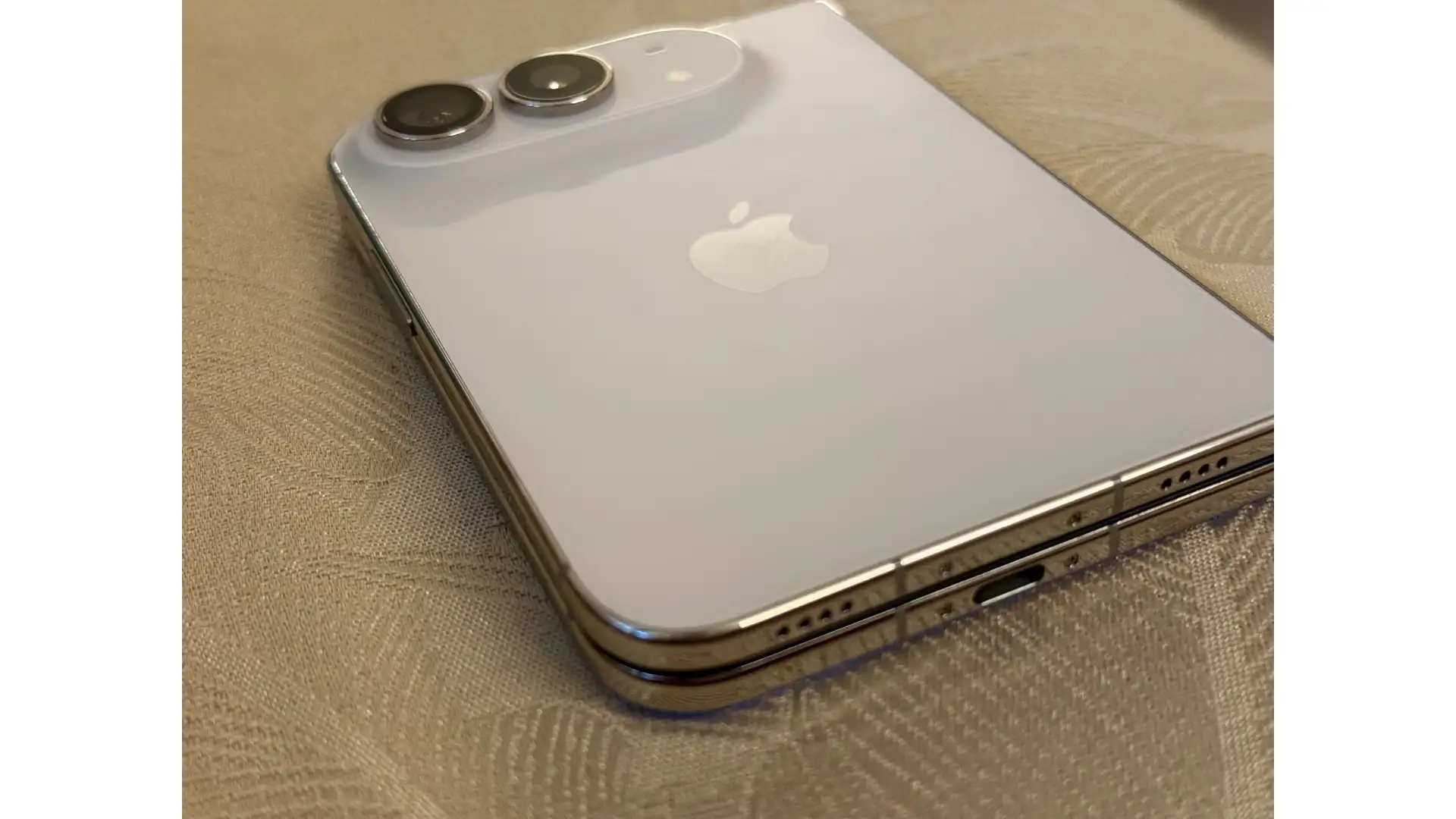
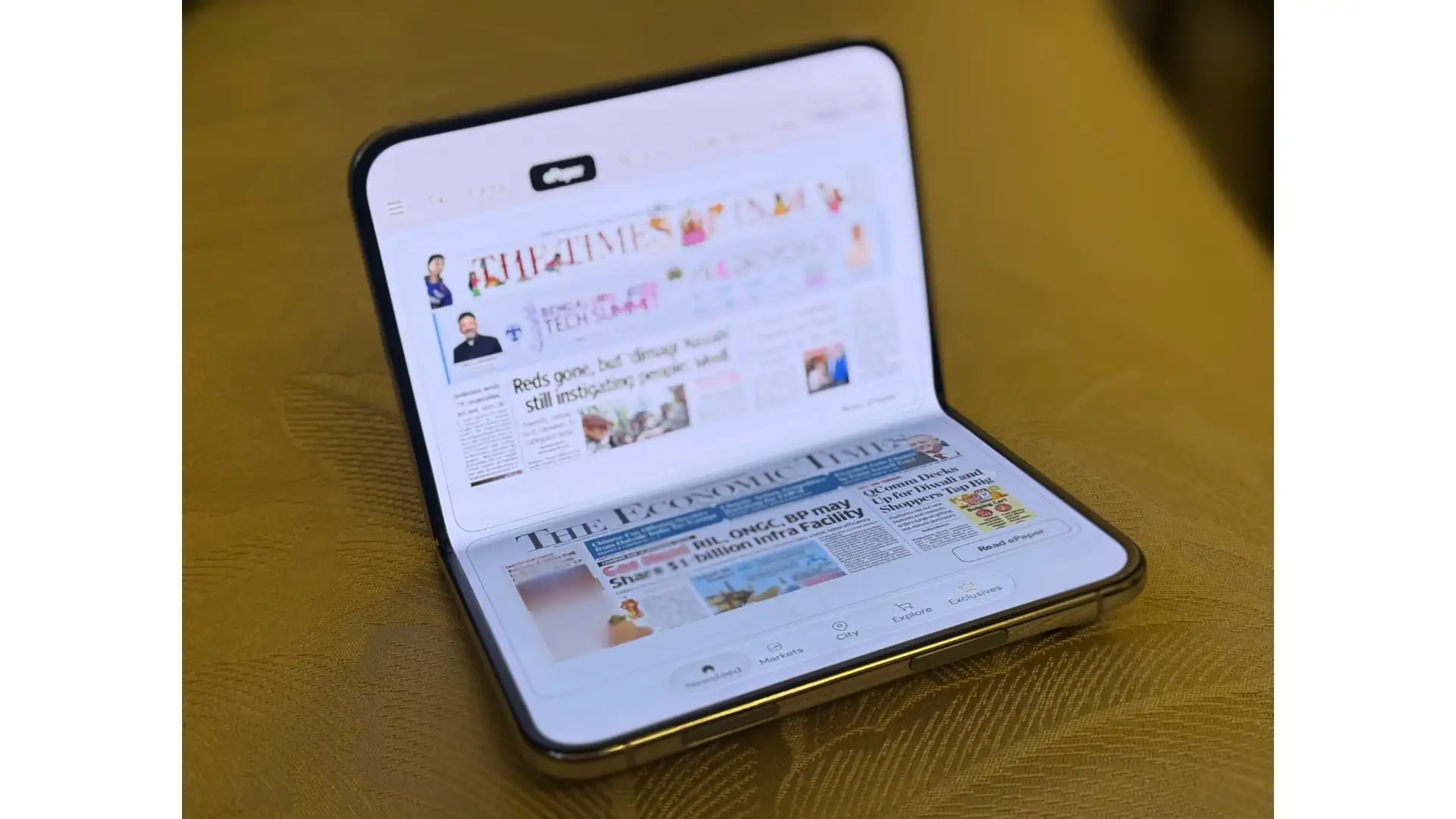
At Rs 3 lakh, you will naturally examine those choices closely. Extra space is most useful when the interface adapts to it. Where that happens, the Duo feels convincing. Where it doesn’t, you are reminded that the hardware has arrived ahead of parts of the app ecosystem. That should improve as developers spend more time with the format. Apple cannot redesign every banking app, and a new screen shape inevitably requires some adjustment from the companies building for it. The Duo’s appeal lies in its folding design and larger screen. If photography is your main priority, a Pro remains the more obvious choice. If you spend more time on video calls, watching things or simply appreciating a roomier display, the calculation becomes more interesting. The Duo asks you to decide which parts of the experience matter most to you.
Even so, having to think about how you’re holding a Rs 3 lakh iPhone before unlocking it feels borderline ridiculous. The Duo is also fun, which can get lost when every expensive gadget is required to submit a business case for its existence. For those who want a different kind of iPhone, the Duo has an appeal that a comparison chart won’t entirely capture.
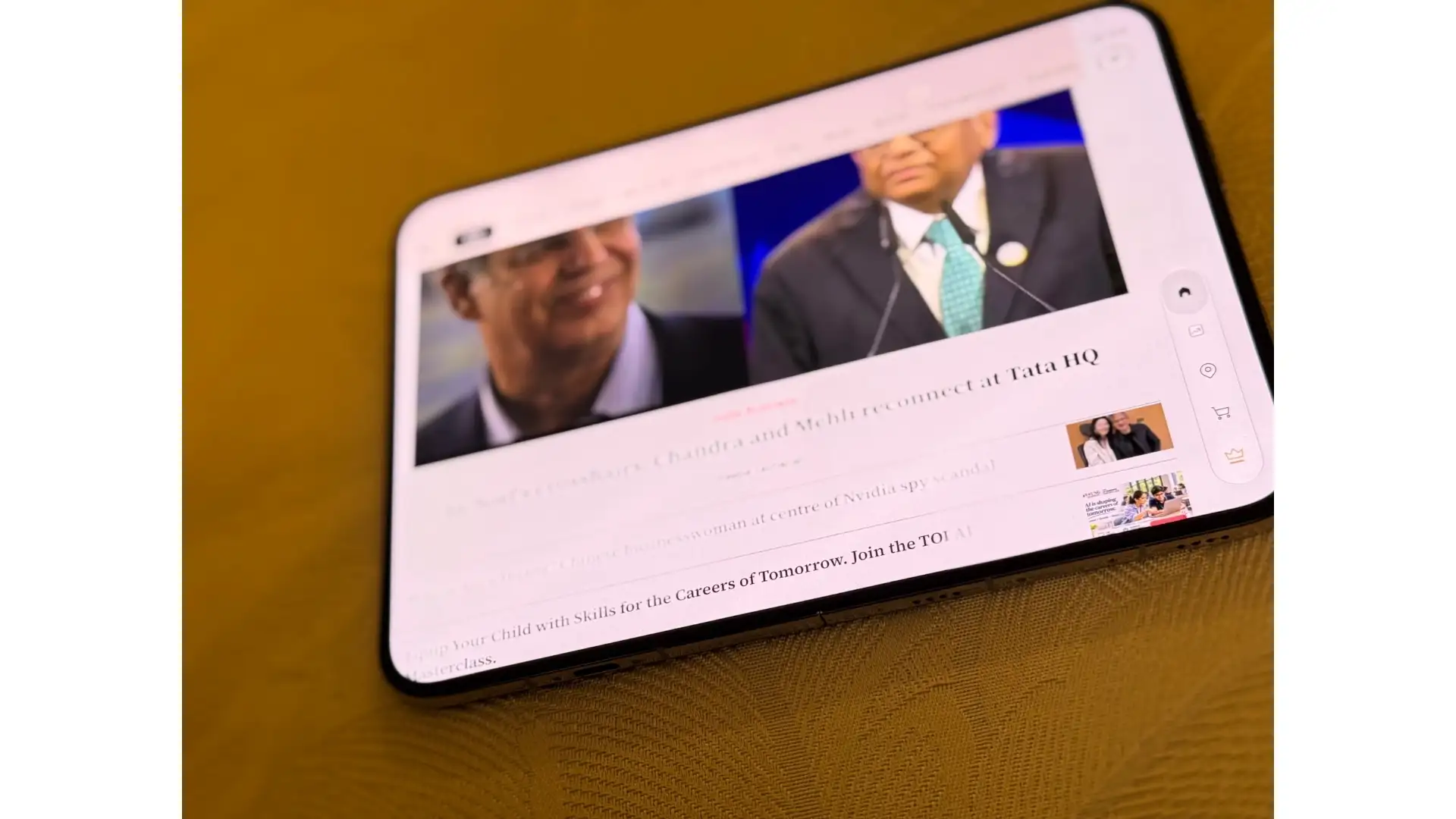
Banking apps, in particular, can look a little out of place, as though they arrived at a party without being told the dress code. With the Duo, the finger that naturally reaches the Touch ID sensor when the phone is closed may be nowhere near it when the screen is open. Picking it up from a table is another grip altogether. I ended up registering five fingerprints. Once that was done, Touch ID became easier to live with. I would still prefer Face ID, especially on a device at this price, but it is more a matter of missing a convenience than struggling with what replaces it. Touch ID works well once you’ve worked out which fingers to register. Then there is the everyday business of holding it. Everyone who saw the Duo—and everyone wanted to see it—eventually arrived at the same question: what is it like to make calls on? The answer is that it takes a little adjustment. The Duo feels different in the hand, and on longer calls you notice its proportions more than you would with a conventional iPhone. But hey, that’s what AirPods are for, right? Jokes apart, I have become more comfortable with it over time. Finding the right grip is part of learning a new form factor, much as working out when to unfold it becomes second nature after a while. A regular iPhone still feels more natural against my ear. The Duo, though, gives you reasons to accept that small trade-off. Video calls are excellent on the larger screen. There’s room to see people properly without everyone being squeezed into postage stamps. Watching videos is a delight, too. Open the phone, put something on and enjoy the extra space. Reading is where the screen really earns its keep. News articles are easier to settle into when there’s more of the story on screen. PDFs involve less pinching, zooming and dragging the page around. From a quick read to a long document, the extra room makes a difference. I started opening the Duo for pieces I might otherwise have saved to read on a laptop. That’s how the fold becomes a habit. A few days in, finishing an article is as good a reason to open the phone as any. For a first-generation device, Apple has got a great deal right. There is still work to be done on apps. Several don’t yet make particularly good use of the unfolded screen. Samsung and others also took time to refine their foldables. Successive generations brought improvements, although price and the trade-offs of the format remain considerations across the category. The Duo is a promising starting point in that continuing evolution. I expect Apple to make it better. Whether that requires a new version every year is another question. And there will be plenty of buyers who know their answer. Some will pay the Indian price. Others will suddenly remember a Silicon Valley cousin in California or take a keen interest in an uncle-aunty’s Dubai shopping itinerary. An overseas family connection has long been an unofficial part of the Indian Apple buying experience. The pleasure of unfolding it, settling into a video call or watching something on the larger screen is easier to appreciate through use. After living with it, I understand the attraction. I still find the price difficult to justify, and I would welcome Face ID in a future version. But neither thought stops me from reaching for it. When there’s a long article to read or a video call to settle into, the Duo is the phone I reach for. Unfolding it has become a habit. An expensive one, admittedly. You use AI every day. Now get your AI Quotient. Take the AIQ test.