The Packing House’s history is closely connected to the industries that shaped the Eastern Shore.
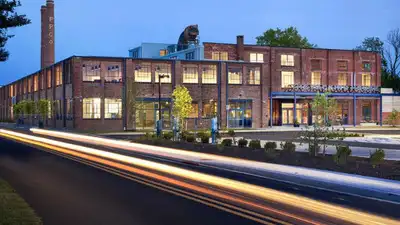
A historic factory in Cambridge, Maryland, built in 1920 has been transformed from a vacant building into a centre for businesses, entrepreneurs, food production and community programmes. Last year, DHCD announced a $1 million state revitalisation project at the Packing House.
The building was originally constructed as the Cambridge Furniture Company, according to Maryland Department of Commerce. Maria Mougridis, project manager and community planner for DHCD, said the redevelopment of historic properties can help create stronger communities. “Revitalizing historic properties is an important part of building stronger, more sustainable communities across Maryland,” Mougridis said. “Strategic state investment can help transform vacant or overlooked locations into places where businesses can grow, entrepreneurs thrive, and communities come together,” she added. Dr Michael Sieracki, director and research professor at the University of Maryland Center for Environmental Sciences, said the project is intended to support oyster restoration and environmental stewardship. Funding helps us turn our vision for oyster restoration and environmental stewardship into reality,” Sieracki said. “The continued expansion of this project helps to guarantee the health of our Chesapeake Bay and its future generations,” he said.
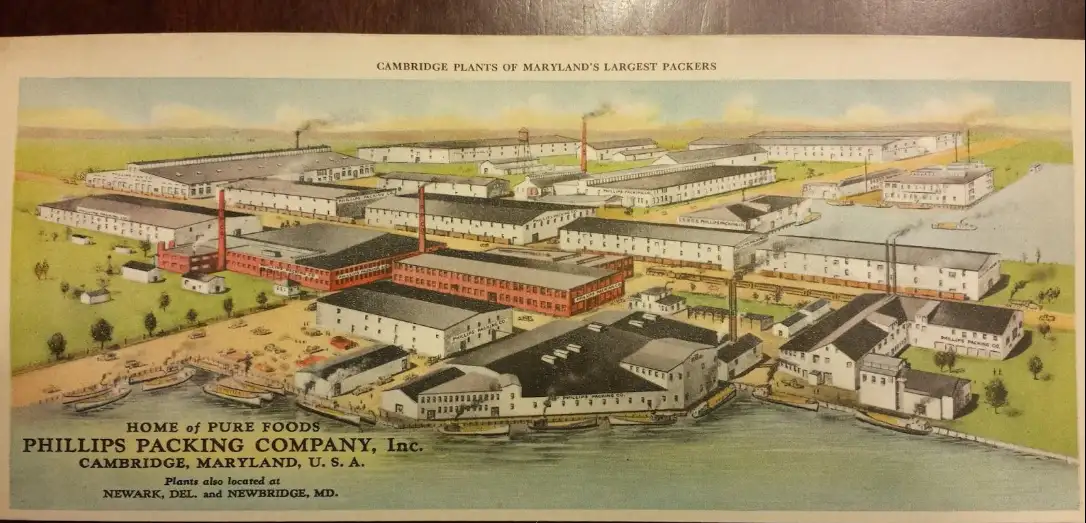
The Packing House, in Dorchester County, was once linked to one of the Eastern Shore’s largest employers and is now being used for new businesses and projects connected to the region’s agricultural and maritime roots. It later became part of the Phillips Packing Company, which supported thousands of residents across Maryland’s Eastern Shore. During World War II, the company produced food products and military rations. After the building was left vacant, it has now been redeveloped by Cross Street Partners in partnership with the Eastern Shore Land Conservancy. The redevelopment has brought new activity to the historic property, which now includes office, retail and event spaces along with areas for environmental companies and non-profit organisations. The Maryland Department of Housing and Community Development (DHCD) has also opened its Cambridge office at the site. The redevelopment is intended to create opportunities for businesses and entrepreneurs while giving a new use to a historic building that had been sitting vacant. A major part of the redevelopment is linked to oysters and environmental work. The project is developing a centre focused on oyster processing, biotechnology laboratories, education and ecological stewardship. The work also involves the University of Maryland Center for Environmental Science. With support from state funding, the centre established a regional office for Blue Oyster Environmental at the Packing House. Blue Oyster Environmental aims to become the regional leader in re-establishing the Eastern Oyster in the Chesapeake Bay ecosystem. The organisation’s work at the Packing House brings oyster-related research and environmental activities into a building that was once used for furniture production and later food and military-ration manufacturing. “Blue Oyster Environmental and UMCES remain incredibly grateful for the state’s continued support. He added that the continued expansion of the project would support the future of the Chesapeake Bay. You use AI every day. Now get your AI Quotient. Take the AIQ test.
Its first use was as the Cambridge Furniture Company after it was constructed in 1920. Phillips Packing Company produced food products and military rations during WW II (Photo: PRR’s Cambridge Secondary Track) The redevelopment has therefore given the former factory a new role without removing its connection to the area’s history. The Packing House’s history is closely connected to the industries that shaped the Eastern Shore. It later became part of the Phillips Packing Company, which grew into one of the region’s largest employers. The packing company produced food products and military rations during World War II. Its operations supported thousands of people in the Eastern Shore community. The building’s latest transformation is focused on keeping it connected to the region’s existing industries. The site now supports businesses and organisations working in areas including aquaculture and environmental technologies. Along with businesses and organisations, the property is now being used for community programming.