A few pantry staple that can help you manage your menopause symptoms
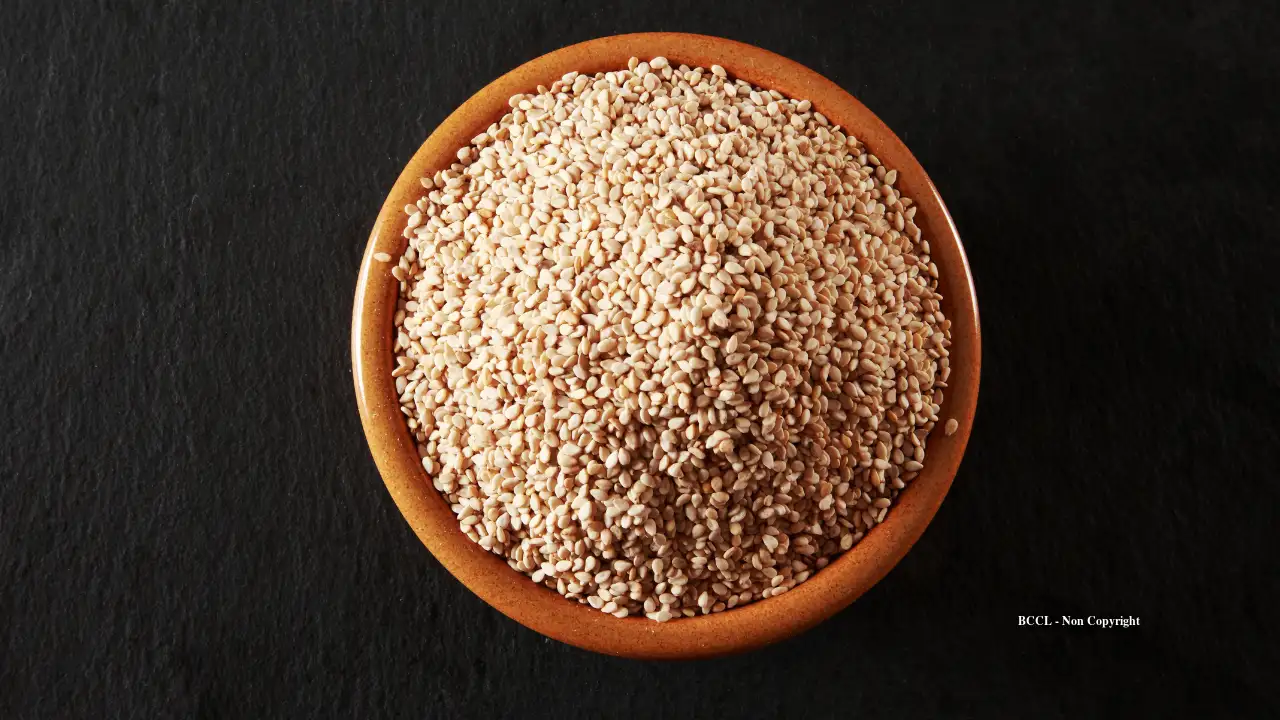
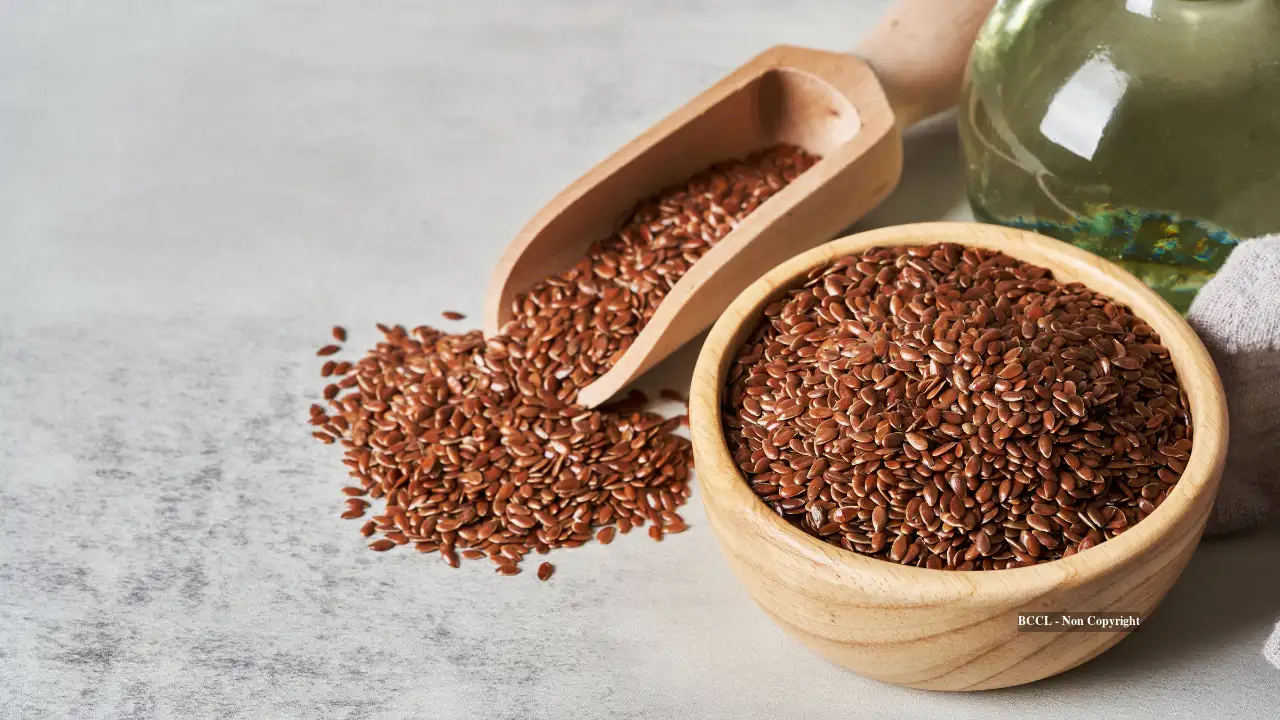
Reviews of its nutritional composition have reported calcium levels of roughly 160–365 mg per 100 g, depending on the variety and analysis. An Indian review on calcium requirements notes recommendations ranging from 800 mg a day to 1,200 mg a day for postmenopausal women, depending on the guideline being followed. A small randomised, placebo-controlled crossover trial published in the Journal of Nutrition included 26 women, of whom 24 completed the study. Participants consumed 50 g of sesame seed powder daily for five weeks. You certainly do not need 50 g a day to enjoy til. In a randomised, double-blind, placebo-controlled trial involving 48 perimenopausal women, a standardised fenugreek extract taken for 42 days was associated with improvements in hot flushes, night sweats and insomnia. The study used 250 mg of a standardised fenugreek extract twice a day. A 2025 systematic review of randomised controlled trials examining curcumin in postmenopausal women found conflicting results for oestrogen levels, bone-health markers and vasomotor symptoms. Ground flaxseed provides fibre, alpha-linolenic acid, an omega-3 fatty acid, and lignans.
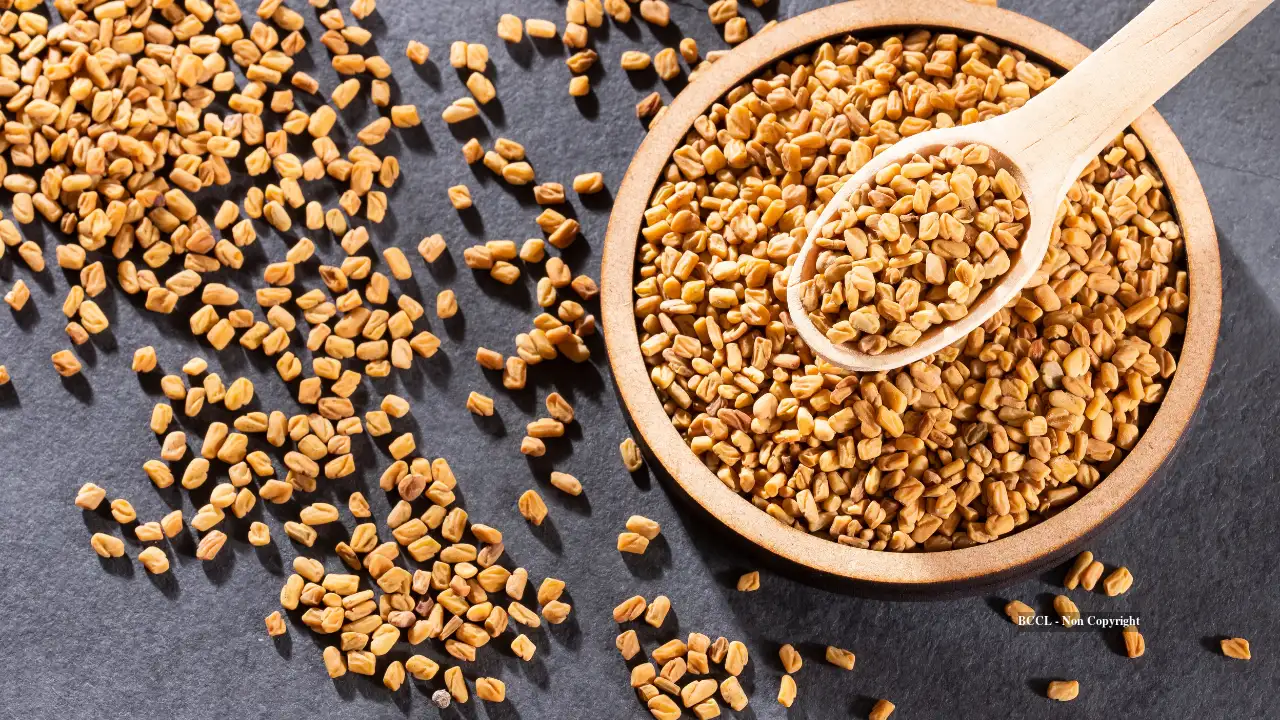
Because fenugreek can affect blood glucose, people taking diabetes medicines should be cautious with concentrated fenugreek preparations. Because it adds fibre, increasing the amount gradually and drinking enough water can help avoid digestive discomfort. The researchers reported improvements in several blood-lipid and antioxidant measures, along with changes in some hormone-related markers.
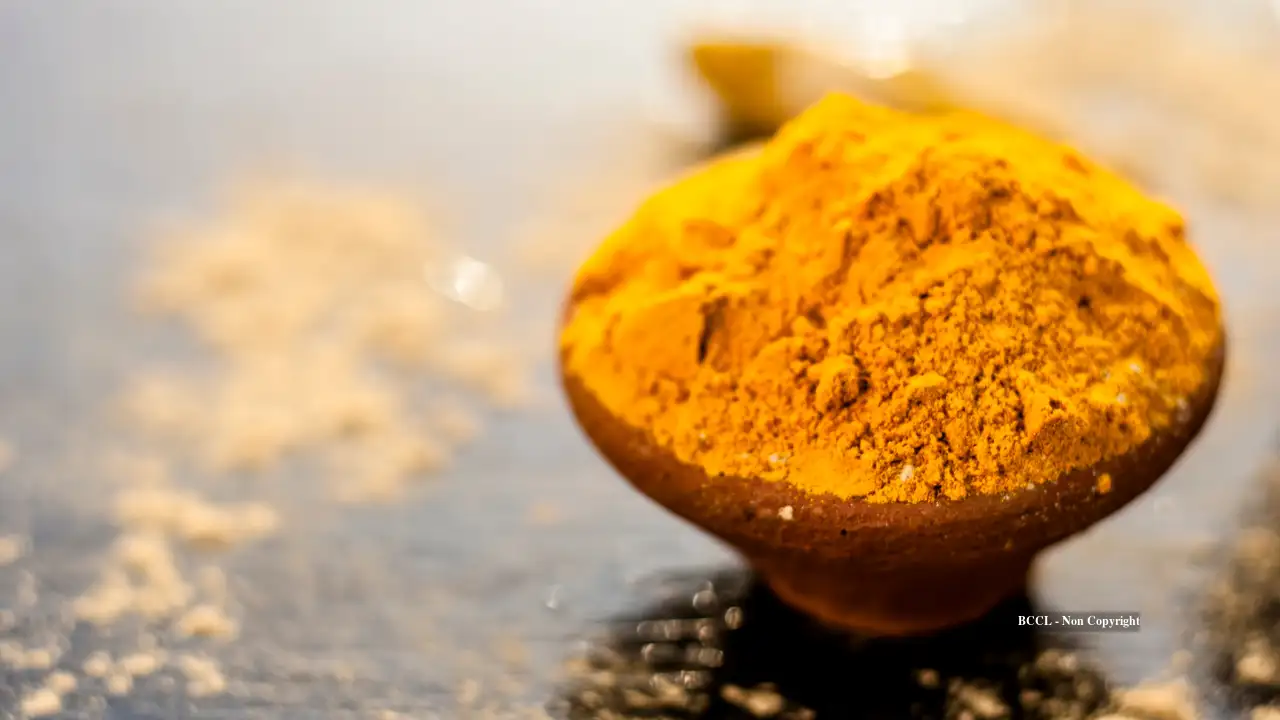
Menopause does not need to be “fixed” by a single ingredient, and there is no need to overhaul your kitchen overnight. Their value lies less in any supposed ability to “balance hormones” and more in the nutrients and variety they can add to everyday meals. Ragi, or finger millet, is particularly rich in calcium compared with many other cereals. That makes ragi a useful food to include in a diet focused on bone health. The decline in oestrogen around menopause is associated with accelerated bone loss, making adequate calcium and vitamin D, along with regular weight-bearing and resistance exercise, important. How much calcium women need can vary between guidelines. There is also some interesting research involving postmenopausal women. That is interesting, but it does not mean sesame has been proven to treat menopause symptoms or restore oestrogen levels. One or two teaspoons of roasted, ground sesame can be added to chutney, raita, sabzi or salads. Sesame paste can be used in dips, while the seeds can also be mixed into multigrain atta. Til laddoos and chikkis can remain occasional festive treats rather than being viewed as a menopause remedy. Methi seeds have a lot of fibre Methi, or fenugreek, is another familiar ingredient that fits easily into Indian cooking. Fenugreek seeds contain fibre and several bioactive compounds. Research has also looked at fenugreek and blood-sugar control. A systematic review and meta-analysis of clinical trials found that fenugreek supplementation was associated with improvements in measures such as fasting blood glucose and HbA1c in people with diabetes or prediabetes. However, these studies were about glycaemic control, not menopause specifically. There is a separate, small study that is more directly relevant to menopause. The important word here is extract. That is not equivalent to eating the small amounts of methi normally used in home cooking. So think of methi primarily as a nutritious food, rather than a treatment. Soak a teaspoon of seeds and add them to dal, use fresh methi leaves in a sabzi or add a little powdered seed to atta. Haldi is the golden spice in your kitchen Haldi has long been part of Indian cooking and home traditions. Its bright yellow colour comes largely from curcuminoids, including curcumin, which has demonstrated antioxidant and anti-inflammatory activity in laboratory and experimental research. But laboratory findings are not the same as proven clinical benefits. The review concluded that evidence remains limited and that the effectiveness of curcumin for managing menopause-related symptoms cannot yet be established conclusively. That does not make haldi any less useful in the kitchen. It simply means there is no need to treat it as a miracle remedy. Add turmeric to dal, sabzi, eggs or haldi doodh as part of a normal, varied diet. Its flavour, colour and culinary versatility are reason enough to keep the spice around without expecting it to act like medicine. Flaxseeds is an easy source of fibre and healthy fats Alsi, or flaxseed, can quietly improve the nutritional profile of everyday meals. Grinding the seeds can make some of their nutrients more accessible, while whole flaxseeds may pass through the digestive system largely intact. Start with about a teaspoon of freshly ground alsi and gradually increase the amount if it suits you. Stir it into curd or oats, sprinkle it over poha or upma, or mix it into atta. There has been research into flaxseed and menopausal symptoms, particularly hot flushes. A systematic review of randomised trials found that flaxseed appeared to reduce the frequency and severity of hot flushes, but the differences were not statistically significant. The researchers concluded that more high-quality studies are needed. So, once again, flaxseed makes more sense as a nutritious addition to the diet than as a treatment for menopause. A balanced diet that provides adequate protein, calcium, vitamin D, fibre and healthy fats, along with regular physical activity and strength training, can help support health through midlife. These five Indian staples can be part of that bigger picture. And food has its limits. Persistent insomnia, severe hot flushes, low mood, painful sex, vaginal symptoms or urinary problems deserve a conversation with a healthcare professional, particularly when they begin to interfere with everyday life. Menopause is a natural transition, but women do not have to simply put up with symptoms that are affecting their quality of life. You use AI every day. Now get your AI Quotient. Take the AIQ test Get the latest Lifestyle News and more. Download the TOI app.
Natural menopause is diagnosed after 12 consecutive months without menstruation, according to the World Health Organization (WHO).
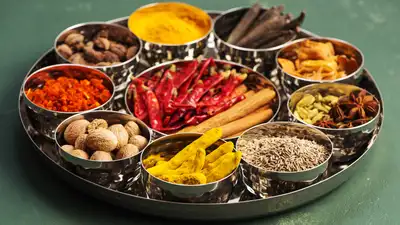
There is no single “menopause diet” that can balance hormones or make every symptom disappear. Menopause is a natural stage of life, marking the end of a woman’s reproductive years. For some women, this can mean hot flushes and night sweats. For others, it may show up as disturbed sleep, mood changes, vaginal dryness or changes in body composition and metabolism. Bone and cardiovascular health also deserve greater attention during and after the menopausal transition. But a nutritious, balanced diet can help support overall health through midlife. And some useful additions may already be sitting in an Indian kitchen. From ragi and til to methi, haldi and alsi, these familiar ingredients can contribute calcium, fibre, healthy fats and other nutrients. Some also have interesting early research behind them, although that evidence should not be confused with proof that they can treat menopause symptoms. Ragi seeds can help manage symptoms
The transition, however, can begin several years earlier, as ovarian function changes and oestrogen levels decline.
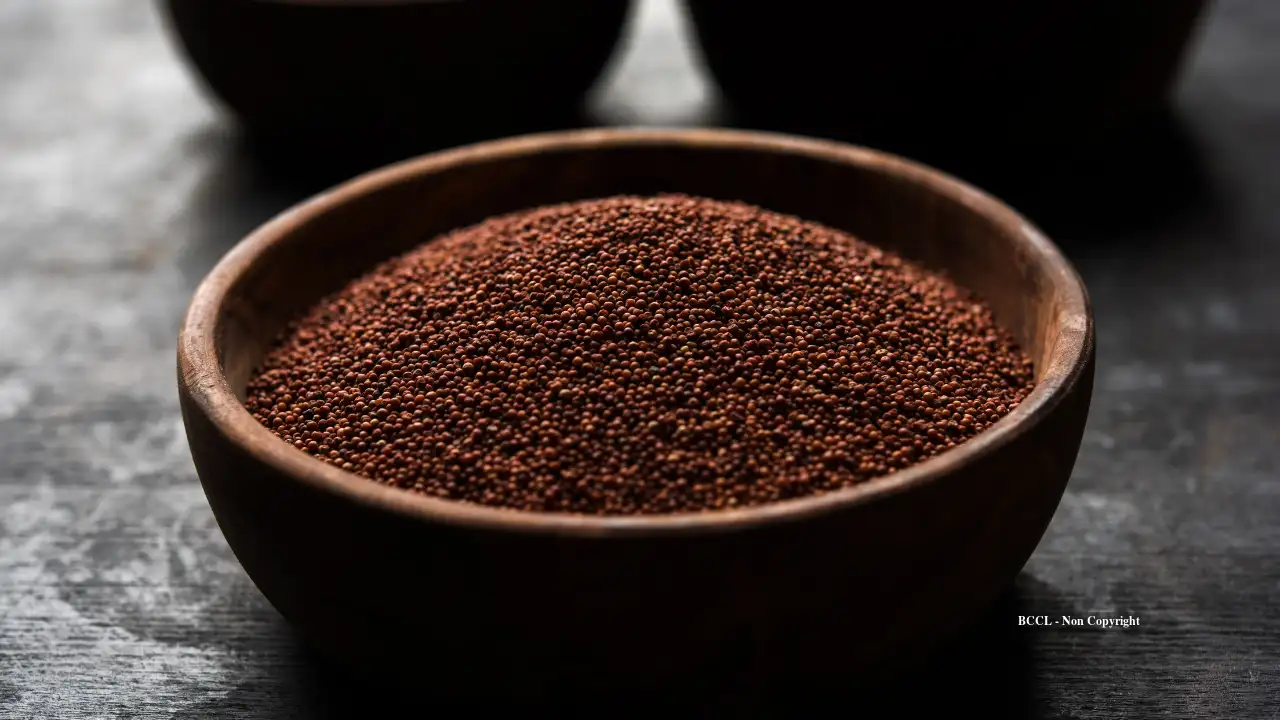
Ragi will not provide all of that on its own, but it can contribute to the daily total. Replace part of refined flour with ragi in rotis, add it to dosa or idli batter, or make a savoury ragi porridge with curd. Ragi flour can also be used in vegetable cheelas. Pair it with other calcium-rich foods such as curd, paneer, leafy greens and sesame. Til are tiny seeds with plenty to offer A sprinkle of til, or sesame seeds, can add calcium, healthy fats and lignans to everyday meals. Whole, unhulled sesame seeds are particularly rich in calcium, although the amount varies depending on whether the seeds are hulled and how they are processed.