

There is a familiar kitchen frustration: you buy a fresh bunch of coriander or mint, use a handful for chutney or garnishing, and return to the refrigerator a few days later to find limp stems, blackened leaves and a puddle of moisture at the bottom of the container. The problem is rarely the herbs themselves. It is usually how they are being stored. Coriander and mint are delicate herbs, and excess moisture is one of their biggest enemies. At the same time, letting them dry out completely can leave the leaves wilted and lifeless. The trick is to create a storage environment that keeps them hydrated without allowing water to sit on the leaves. Here is a simple method that can help extend their freshness for considerably longer.
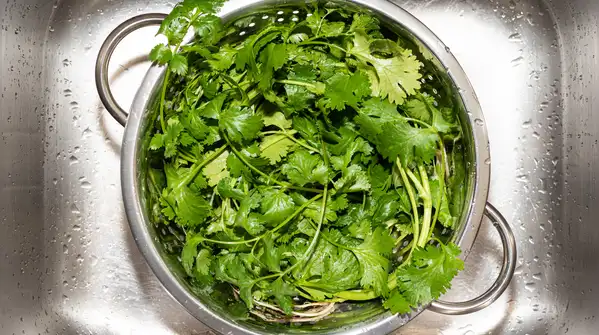
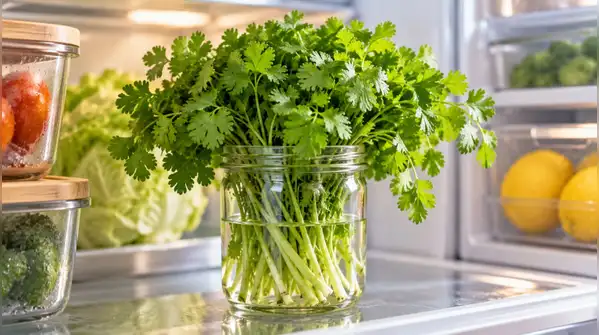
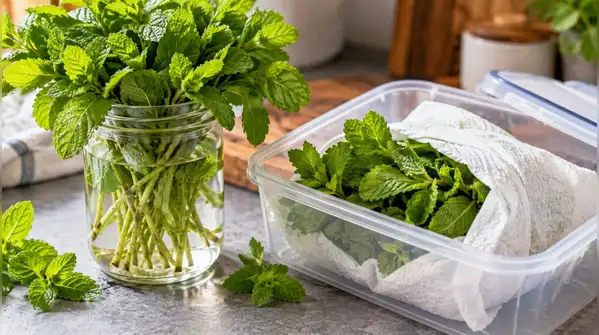
Take a clean glass jar and add a small amount of water, roughly 2–3 cm deep. Because coriander stems can continue taking up water while the leaves remain relatively dry, this method works particularly well. Before storing the herbs, remove anything that is already yellow, slimy, bruised or beginning to rot. One damaged leaf can quickly affect the rest of the bunch, particularly when everything is packed tightly together. Do not wash the entire bunch immediately unless you plan to dry it thoroughly afterwards. Water trapped between the leaves can accelerate spoilage. Instead, trim the bottom of the stems with a clean knife or kitchen scissors. This exposes fresh tissue that can absorb moisture more effectively. For coriander, one of the most useful approaches is to treat it almost like a small bouquet. Place the coriander stems into the water, making sure the leaves stay above the waterline. Cover the bunch loosely with a reusable bag or a light plastic bag. The idea is to keep the stems hydrated while preventing excessive moisture from collecting directly on the leaves. Place the jar in the refrigerator. Change the water every few days, or sooner if it becomes cloudy. Mint can also be stored in water, but it tends to be particularly sensitive to cold temperatures. For short-term storage, you can place the stems in a jar with a little water and keep the leaves loosely covered. Another option is the paper-towel method. After removing damaged leaves, gently dry the mint if it has been washed. Wrap the bunch loosely in a slightly damp paper towel and place it inside an airtight container or reusable storage bag. The towel should be slightly damp, not wet. If it becomes soaked, replace it.
The most important step: Control moisture
This is where many herb-storage methods go wrong. People often assume that more moisture means fresher herbs. In reality, water sitting on delicate leaves creates a favourable environment for decay. If you wash coriander or mint before storing, use a salad spinner or clean kitchen towel to remove as much surface water as possible. Let the herbs air-dry briefly before packing them away. You want the storage container to retain some humidity without becoming wet inside. Do not compress a large bunch into a tiny container. Crushed leaves are more likely to bruise and deteriorate. If you are storing a substantial quantity, divide it between two containers rather than creating one tightly packed bundle. Keep the leaves loose and check the container every few days. Remove any deteriorating leaves immediately so they do not spread moisture and decay to the rest. If you have more herbs than you can realistically use within a few weeks, freezing is a better option than trying to keep them fresh indefinitely. Chop the herbs, place them in an ice-cube tray and cover with water or a little oil. Once frozen, transfer the cubes to a freezer-safe container or bag. Frozen herbs will not have the same crisp texture as fresh leaves, so they are better suited to curries, dals, chutneys, marinades and cooked dishes than garnishing. For fresh coriander and mint, think hydrated stems, dry leaves and controlled humidity. Remove damaged leaves, avoid storing wet herbs, keep the stems supplied with moisture and check the bunch regularly. With the right balance, that bunch of coriander or mint does not have to become a three-day refrigerator casualty. It can stay usable for significantly longer, meaning fewer wasted herbs and fewer emergency trips to the vegetable market.

