
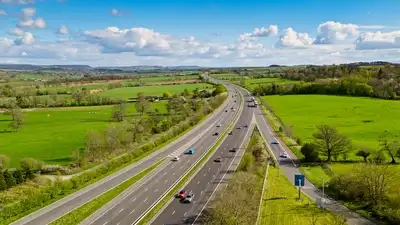
Kingstown Road and Scotland Road form one of the main routes into Carlisle, and by autumn 2017 they had a new skin. Some of the bitumen holding the asphalt together had been replaced with pellets made from waste plastic.
The £200,000 project, completed by MacRebur in September, was one of several major road resurfacing projects in the county using recycled plastic. So, plastics equivalent to roughly 500,000 bottles, or 800,000 carrier bags, were used, depending on the yardstick. Using this waste plastic material provides a more sustainable solution for road resurfacing, and we will be using it in a number of locations across Cumbria’s road network,” County Councillor Keith Little said in a 2017 release. By October 2021, the council’s verdict was upbeat.
Diverting plastic from landfill and incineration saves on disposal, and swapping out bitumen can lower production costs, the council said. Cumbria, an area in England, wanted to make roads the better way. Roads that are environmentally friendly. Regular roads use bitumen, which requires a lot of energy and materials and results in pollution. So, they did something extraordinary. They built a road using waste materials. Regular roads had to go Bitumen, the oil-derived binder in asphalt, carries a carbon cost. Companies such as MacRebur had a solution. They made waste plastic into small pellets that could be added to the material used to make roads. When the council came up with the idea of sustainable, eco-friendly roads, MacRebur suggested replacing a share of the bitumen with waste plastic that would otherwise end up in landfill or an incinerator. “We have been very pleased with the results. The Shell route arrived through surfacing partner Hanson Contracting, which approached the council about an additive from its bitumen supplier. In a final update published by ADEPT, Cumbria’s Matt Waning counted six live road trials and four quarry trials, with a five-year monitoring programme in place. The idea was about saving money and also reducing pollution. This technology could increase a road’s life cycle, which would mean resurfacing less often. This possibility matters. It described five years of trials as successful, with products designed to make surfaces tougher and more environmentally friendly. Cumbria continues working with MacRebur and Shell, monitoring the plastic surfaces and drawing up a plan to extend the process to other roads in the county. You use AI every day. Now get your AI Quotient. Take the AIQ test.
By 2021, the roads were part of the ADEPT SMART Places Live Labs Programme, a £22.9 million initiative funded by the DfT. Cumbria was allocated £1.6 million.
It was the first in the world to trial MacRebur’s product and the first in Europe to trial Shell’s, according to the council. Stephen Hall, Cumbria’s assistant director for highways, transport and fleet, pointed out the environmental impact of regular roads and welcomed this new innovation. “Our industry has a significant environmental impact in terms of carbon footprint, use of oil-based products and the use of quarried material. I believe it is incumbent upon us to seek new and innovative ways to mitigate this impact, and using waste plastic in the road surface is something we have been very keen to support. ” Showing the working to the Department for Transport Cumbria did not keep the experiment to itself. Council officers shared their experience with Department for Transport officials, who were assessing new technology for highway upkeep. It was one of just eight local authorities chosen, and the only one in the North of England. The programme’s aim was to encourage councils to try new highways methods on ordinary local roads, with the hope of changing how both the highways and waste industries work. Cumbria had a question: are additives derived from waste plastic sustainable and suitable for its surfacing programme? A smaller carbon footprint and a more resilient network were the goals. Shell joined MacRebur as a partner. Its Bitumen LTR binder uses chemically modified waste plastic that bonds with bitumen and lets asphalt be made and laid at lower temperatures, which cuts the energy used in production.