(Image credit: Canva)
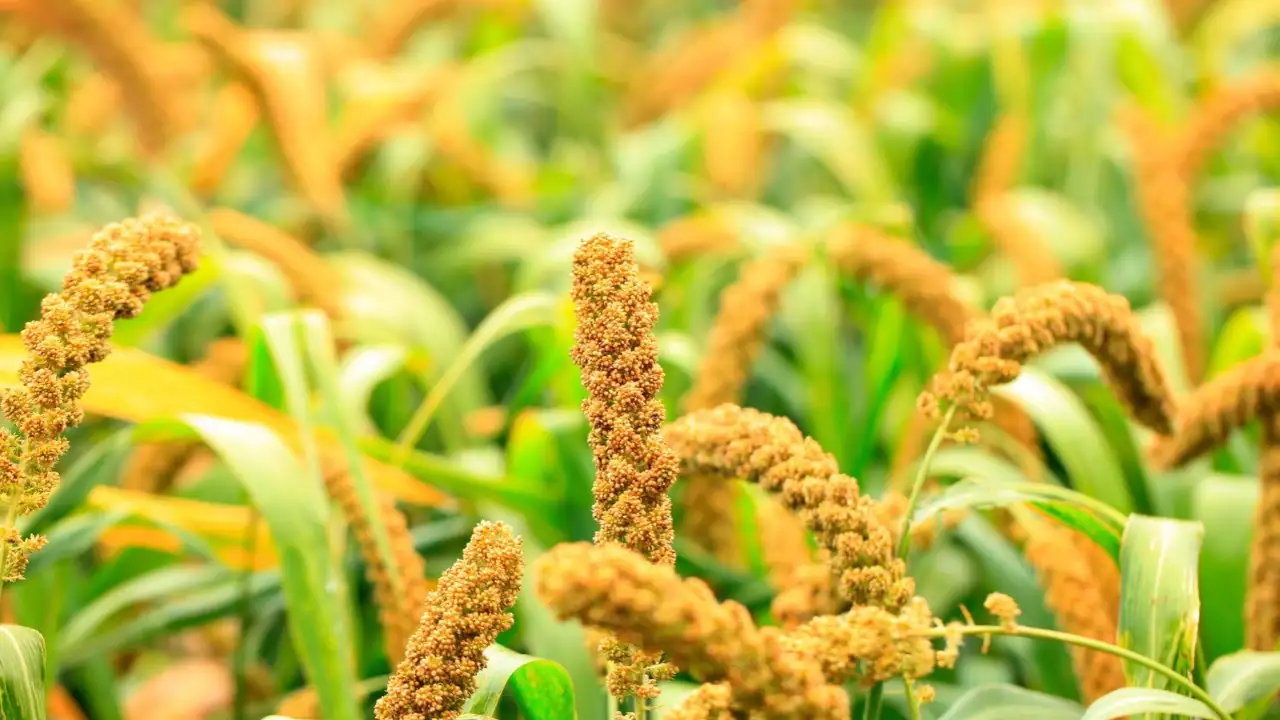
Nutritionally, Kodo millet contains approximately 6.4 grams of dietary fibre per 100 grams, according to Niti Aayog’s 2023 report Promoting Millets in Diets: Best Practices Across States/UTs of India Kodo Millet’s therefore not simply one of an old crop being rediscovered. Because it could survive difficult conditions is being reconsidered at a time when both farmers and consumers are confronting new kinds of difficulty, what was once valued. The Indian modern diet has evolved to look different over the ages, demanding more from its ingredients. A grain is no longer considered only for how easily it can fill a plate; rather, questions of protein, fibre and long term health have become part of how we think about our everyday food. It is this shift in conversation and a changing relationship with food that gives some of India’s older grains renewed relevance. Their fibre, protein and micronutrient content makes them a fascinating choice with considerations of region, weather and agriculture. These grains are not particularly driven by nostalgia alone, as scientists are now studying these grains through crop breeding and food science, examining how foods that have long been consumed can be just as suited for modern Indian households. A cereal grain popular for its high-fibre content is returning to the Indian diet now for the attention it pays to digestive and metabolic health. While its iron content offers another nutritional consideration especially for those who depend on plant-based foods. With different names in different languages, it is a major crop providing food security across myriad regions, especially dry and arid ones. With nutritionally high value, it is also rich in minerals such as magnesium and B-complex vitamins . A drought resistant, tiny-grained cereal, Kodo millet is an ancient crop that is especially native to India. The renewed interest in these grains reflects a larger change in the way we think about food. Some research has also begun examining the role of millet-based diets in areas such as blood glucose and cholesterol, although these foods should be understood as part of an overall diet rather than as treatments for health conditions.
It was historically valued in farming environments where other crops could struggle. Some millet grains have existed within Indian agriculture for generations, but their particular strengths hold a different place in the Indian diet today. These same qualities have acquired new significance today. A grain today can be part of a conversation about plant-based diets, dietary fibre and micronutrients, just as easily as it can be part of a conversation about climate resilience, water use and agricultural sustainability.