
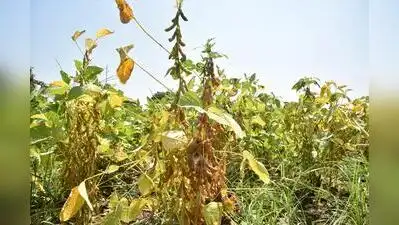
Overall kharif yields could decline by 40-45%, according to agriculture department estimates.
Farmers undertook kharif cultivation on 6.51 lakh hectares, exceeding the district’s average sowing area of 6.4 lakh hectares (101.7% of the normal acreage) despite the rainfall deficit. The officials said preliminary assessments pointed to a substantial decline in productivity, particularly in maize, soybean and paddy, which together accounted for nearly 80% of the district’s kharif cultivation area.
these talukas recorded only 43-63% of normal rainfall, leaving crops vulnerable to moisture stress Although the district received 71% of its average rainfall during the June-Sept monsoon period. Agriculture and revenue department teams have been conducting ground surveys for the past week in drought-hit talukas to assess damage to kharif crops caused by a prolonged dry spell and erratic monsoon conditions. The findings will determine the extent of relief and compensation to be provided to affected farmers. The final assessment is expected to provide a clearer picture of the drought’s impact on Nashik’s farm sector and guide govt’s compensation package for affected farmers.