

The Miz in 2017. Image credits: Wikimedia Commons
Forbes reported that the renovated and expanded property was listed for $3.65 million in 2017, while Variety reported in 2019 that it sold for just over $3 million. Wrestling Online reported that the house measured 4,532 square feet and included three levels, a circular driveway, a home theater and mountain views. Doerner found that failing to account for property improvements can overstate repeat-sales house price index estimates, with valuation distortions reaching 15 percent in central districts of large cities. The sale price was a little over four-fifths of the $3.65 million asking price.
Realtor.com reported that Mike “The Miz” Mizanin bought his Laurel Canyon home in the Hollywood Hills for $1,865,000 in 2012. Overlooked renovations can overstate price growth by as much as 15 percent in central districts of large cities Variety reported in 2019 that Mizanin and his wife, Maryse Mizanin, owned the Laurel Canyon property from 2012 until its sale, and that the “quasi-Tuscan mini-estate” sold for just over $3 million to a non-famous married couple. Forbes described the Hollywood Hills West property as Mediterranean-style, with four bedrooms and three and a half bathrooms. The listing, handled by Victoria Mirisch of Pinnacle Estate Properties, highlighted a basketball court, swimming pool and spa. In Property Renovations and Their Impact on House Price Index Construction, Federal Housing Finance Agency economists Alexander N. Bogin and William M. These numbers are not national averages, and the authors admit they were unable to segregate the renovations by quality, degree, or expense. Forbes had called the house Mediterranean-style, so the style label varies by source.
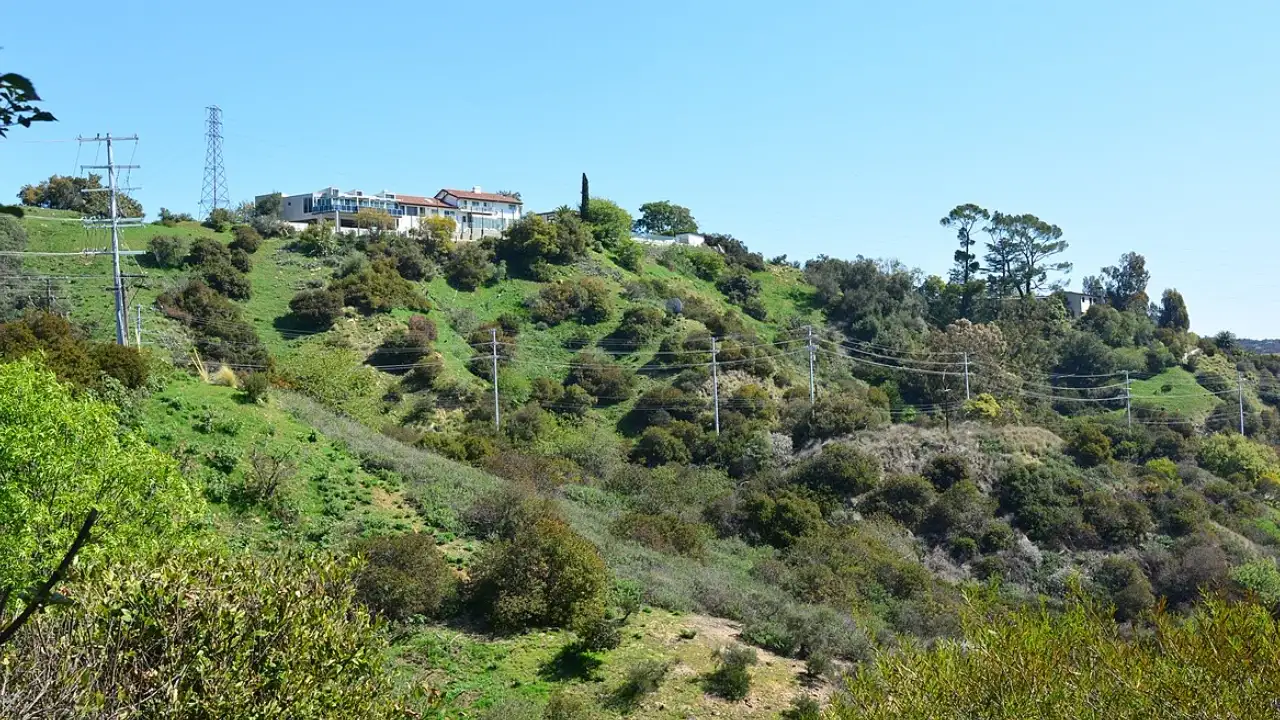
The paper says renovation activity can create positive quality drift in repeat-sales indices, and that omitting those improvements can push local price estimates upward by as much as 15 percent in central districts of large cities. It also finds the distortion fades outside downtown areas and is generally negligible in smaller cities with populations below 500,000. The $3.65 million asking price followed a renovation and expansion, so the paper offers background on how improvements can distort price data, not an estimate for this property.
The Federal Housing Finance Agency’s working paper Property Renovations and Their Impact on House Price Index Construction , by economists Alexander N. Bogin and William M. Doerner, looked at how renovations affect repeat-sales house price indices. These are index-construction results and do not measure the value of Mizanin’s house.