
Bridal beauty is often treated as a last-minute “glow” exercise, but skin and hair don’t respond to a calendar that starts two weeks before the wedding. A clinically sensible pre-bridal plan works backwards from the wedding date, identifies the concerns that genuinely need treatment, and leaves enough time for the skin to respond without creating irritation close to the event.
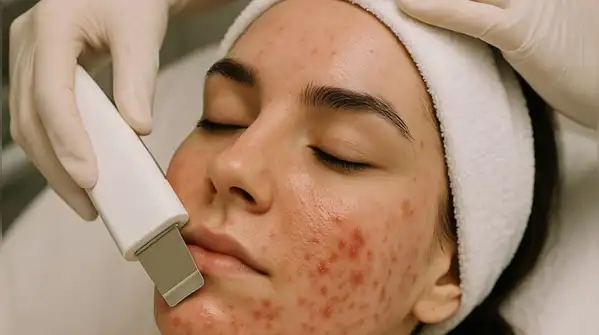
6–8 weeks before: target specific concerns
This is also the right window to discuss longer-term options such as laser hair reduction, which generally requires multiple sessions spaced about 4–6 weeks apart. Because improvement usually requires repeated treatment and consistent home care, persistent acne, post-acne marks or pigmentation should be addressed early. The most effective pre-bridal routine is therefore not the one with the longest treatment list.
Start with a professional skin and hair assessment rather than buying multiple new products. Acne, pigmentation, tanning, sensitivity, uneven texture and hair fall require different approaches. A dermatologist-led assessment can determine whether a bride needs medical treatment, professional exfoliation, hydration-focused care, or simply a simpler home routine. This is the period for correcting rather than covering concerns. Depending on the skin assessment, professional facials, controlled exfoliation, or dermatologist-supervised procedures may be considered. Chemical peels, for example, can require pre-treatment skin preparation and may cause temporary redness or scaling, making adequate recovery time important. It is one built around assessment, adequate intervals, and the bride’s actual skin, hair, and body concerns. The goal is not to make the person look different on the wedding day, but to ensure that healthy skin, well-conditioned hair and careful grooming provide a better foundation for the final look.