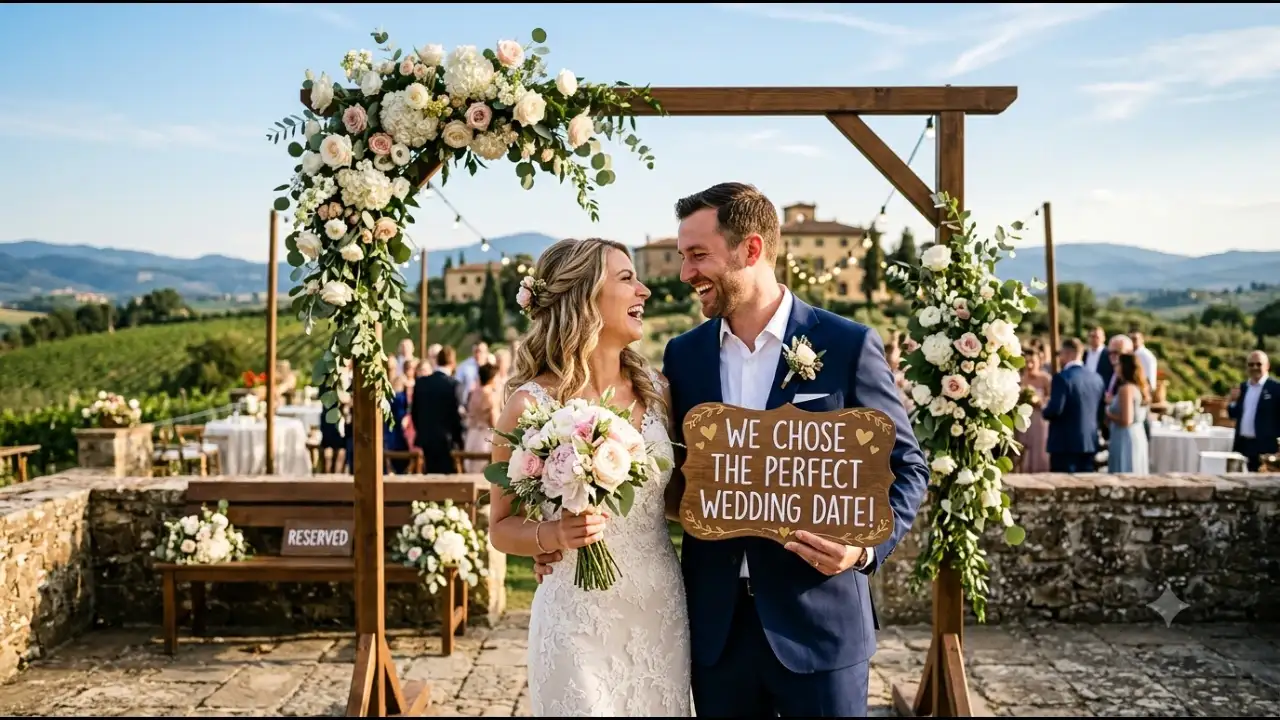
Image- Canva Ai
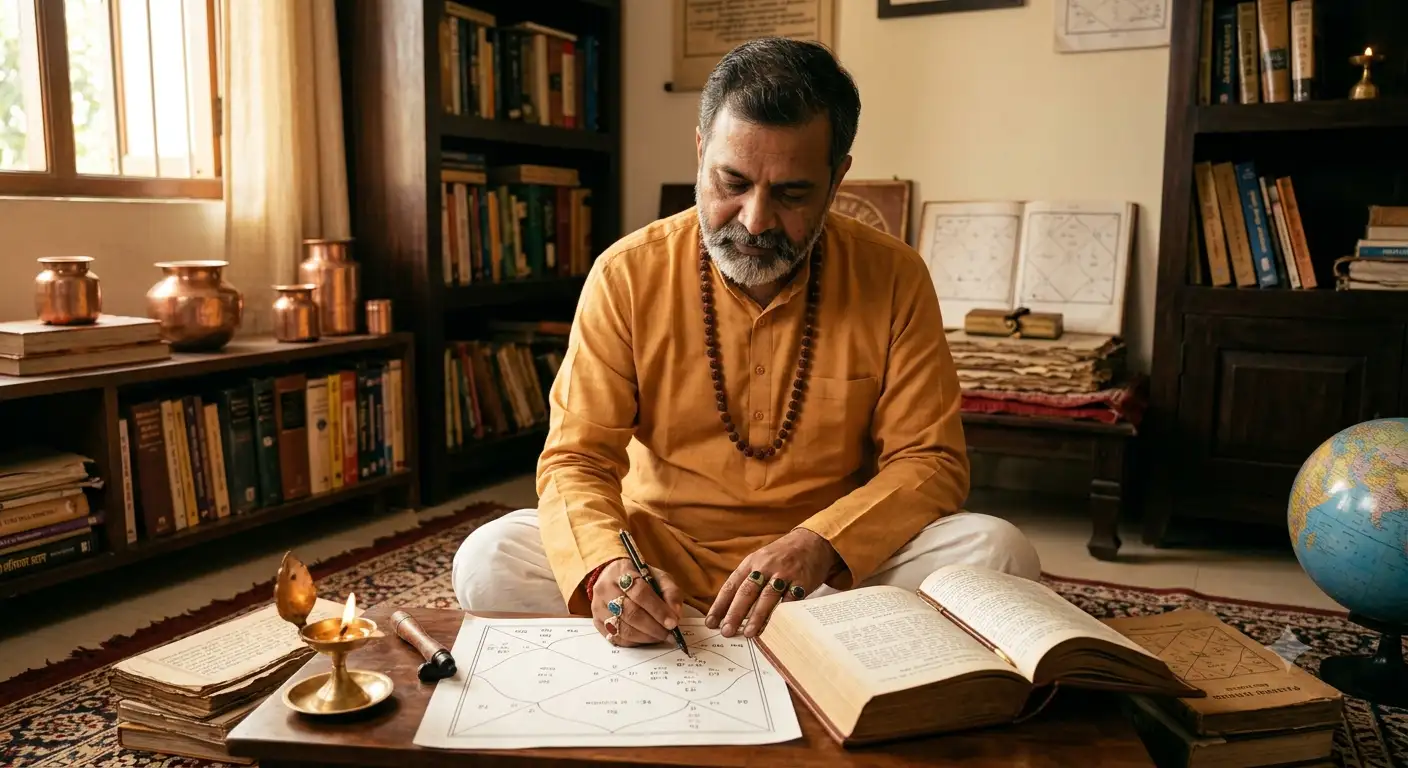
This tradition is not new; according to ancient Indian scriptures, even the divine couple of Shiva and Parvati, and Sita and Rama, chose a special day for their wedding that we celebrate each year. In Indian and other traditions, a wedding is not just for love and celebration; it is considered a holy union. People hire experts to choose an auspicious date for the wedding. This date depends on factors such as the couple’s birth dates, their zodiac signs, preferred constellations, and days that would resonate with their energy. If you are married or soon going to be, you already know the hassle involved in finding a good date. Some dates may be good for you but not for the other side, and vice versa. Might you be wondering about the reason? Many of you have already tagged it as superstition, but do you think there is a deeper truth to it? Every planet and star, the Sun and the Moon, impacts your life. Each constellation that rises and the day that comes brings a certain energy. And not every energy resonates with everyone and every occasion. Experts look at the combination of all of these and find a suitable date that would be best for your wedding—a day that would bring with it divine blessings. An astrologer trying to find a perfect date for the wedding (AI generated) In India, it is all about finding perfect timing—a muhurat. It is believed that the right time sets a lifetime of grace, harmony, and union. Astrologers finding a shubh muhurat aligns the couple with the most auspicious and perfect time to tie the knot. Astrologers carefully analyze planetary positions, lunar phases, and celestial influences to find a date that ensures prosperity, stability, and fewer obstacles in married life. Think of it like picking the perfect season for a big journey—you wouldn’t start an important trip during a storm, so why take a chance with your wedding day? Even if you don’t believe in astrology, what is the harm in choosing a date that might be auspicious? Many families across the globe have shared that setting an auspicious and personalized wedding date gives them extra relief and comfort, knowing they are starting on the right foot. The idea is not to fear bad luck, but to embrace positivity in your lives. lunar phases, and constellations to identify an auspicious time, numerology focuses on the symbolic meaning of numbers While astrology looks at planetary positions. Both are used by some couples and families to choose a wedding date, but they follow different methods.
The number 1 is considered auspicious for weddings as it signifies a new beginning and the start of a new chapter. The number 2 symbolizes partnership, harmony, and balance. The number 3 emphasizes communication, creativity, and expression. The number 6 is connected to domestic happiness and responsibility. The number 7 denotes introspection and spiritual depth. The number 9 signifies humanitarianism and completion.
In Vedic astrology, an astrologer may examine the birth charts of both partners, the tithi or lunar day, the nakshatra or lunar constellation, the weekday, and planetary positions before recommending a suitable muhurat. The aim is to find a time that is traditionally considered favourable for the couple and the occasion. Numerology, on the other hand, assigns meanings to numbers and interprets their significance in relation to relationships and important life events. Some numerologists look at the number of the wedding day, while others add the digits of the complete date until they arrive at a single digit. For instance, a date associated with partnership may appeal to a couple that values harmony, while another associated with responsibility may be considered suitable for those seeking stability. This is where the two approaches can come together. A couple might first consult an astrologer to shortlist auspicious dates and then consider the numerological significance of those dates. However, the two systems are not interchangeable, and interpretations can vary between practitioners. In numerology, each number is associated with particular qualities that practitioners believe can influence the symbolism of an important occasion. Here is what some commonly discussed numbers represent when associated with marriage. It embodies the idea of unity—two becoming one—which resonates well with the concept of marriage. It is perfect for a day focused on union and commitment. It is suitable for a lively and vibrant celebration. It is a nurturing number for starting a family. It is good for a couple who values contemplation and soulful bonding. It is a universal number that supports broad aspirations, closes cycles, and suggests the culmination of single life and the fulfillment that a marriage brings. Image – Ai genearted Choosing an auspicious wedding date can offer couples a sense of comfort, especially when astrology and numerology are important parts of their family traditions. It can also be a way to involve elders and begin a new chapter with a shared sense of purpose. However, a favourable date cannot guarantee a happy marriage. Communication, mutual respect, trust, and the ability to work through disagreements matter far more to the relationship in the long run. Couples should also consider practical factors such as venue availability, travel arrangements, family commitments, and their own preferences while finalizing a date. Ultimately, the purpose of choosing an auspicious date is to begin married life with hope and positivity. Whether a couple follows astrology, numerology, or personal preference, the wedding date marks the beginning of a shared commitment. The real work of building a lasting marriage begins long after the celebrations are over. You use AI every day. Now get your AI Quotient. Take the AIQ test Get the latest Lifestyle News and more. Download the TOI app.