
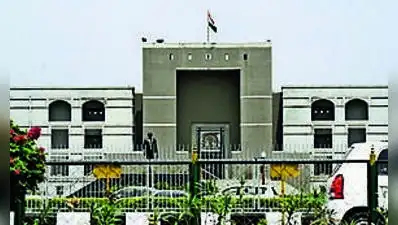
12-07-11. Gujarat High Court at Sola in Ahmedabad. Photo by Kevin Antao.
Ahmedabad: Police inspector B T Gohil on Thursday once again tendered an unconditional apology before Gujarat High Court, expressing deep remorse over the custodial torture and public parading of an accused in Rajkot in 2016. However, a contempt of court application was filed against Gohil and eight other policemen on Thursday morning, alleging that six persons who went to Dhandhuka police station to lodge a complaint on Oct 10 were beaten up and paraded on public streets with their hands tied with ropes. In the 2016 case, Gohil and four other policemen were charged with contempt of court over the custodial torture and public parading of Ajay Kumbharwadiya at Pradhyuman Nagar police station in Rajkot.
“When the court inquired in his presence whether any such incident was reported subsequently, he said no. Kumbharwadiya was allegedly forced to consume liquor in custody, following which an FIR was registered against him under the Prohibition Act. Kumbharwadiya’s counsel, I H Syed, urged the court to reject the apology, citing the Dhandhuka incident. He also referred to an alleged incident a few months ago when Gohil, then posted as Sanand police inspector, allegedly tied a man to a tree and brutally assaulted him. Is this how apologies are to be given? Syed submitted. The court added, “If they can assume this is the way they do policing, then as it seems that they are not spotless and if we act and this is going to make things worse. Looking into their (criminal) case is one thing, but looking at the humiliation that they undergo is equally important. They are the ones who need protection, and not you (the police).”
Photographs of both incidents were presented before the court. The HC has permitted an urgent hearing on Friday.
All the accused policemen tendered unconditional apologies and offered compensation to the victim, assuring the court that such incidents would not recur.