
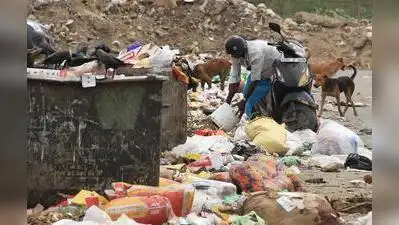
Bengaluru: Bengaluru’s attempt to scientifically manage over 100 tonnes of animal waste generated every day could end up increasing the price of chicken and meat, according to traders who have announced a two-day shutdown on Sept 3 and 4 against the city’s new waste collection charges.
Traders say a typical chicken shop in Bengaluru sells between 30 kg and 40 kg of chicken on weekdays, with sales crossing 60 kg during weekends. The civic body has fixed collection charges of Rs 5 per kg for animal waste and Rs 3 per kg for bone waste.
The impact will be felt across the value chain—from farmers to consumers,” a representative said. The Karnataka Poultry Traders Association (KPTA) has opposed Bengaluru Solid Waste Management Ltd’s (BSWML) decision to charge meat shops for collection and processing of animal waste, arguing that the cost will eventually be passed on either to consumers or poultry farmers. With thousands of such shops operating across the city, the industry fears that the cumulative impact of the new charges could significantly increase operating costs. Under the new framework, licensed meat, poultry and fish shops must hand over waste only to BSWML-authorised agencies. The waste will then be transported and processed by Karnataka State Pollution Control Board-certified facilities. “This is not just a trader issue.
The agency has geo-mapped 5,194 meat, poultry and fish shops and estimates that the city generates nearly 106.5 tonnes of animal waste every day. Numbers Behind the Dispute Bengaluru’s Meat Economy Total mapped meat, poultry and fish shops: 5,194 Estimated animal waste generated daily: 106.5 tonnes Average chicken sold per shop: 30–40 kg/day Weekend sales: 60+ kg/day New Charges Animal waste: ₹5/kg Bone waste: ₹3/kg The system is part of BSWML’s larger effort to bring Bengaluru’s animal waste under a formal tracking mechanism. The association has already approached BSWML CEO Karigowda seeking a revision of the rates. However, traders claim they were informed that the tender process had been completed and that altering the pricing structure may not be possible. traders argue that the city should not shift the entire cost of compliance onto shop owners While BSWML maintains that the initiative is necessary to prevent illegal dumping and ensure scientific disposal of animal waste.
Why Traders Are Upset Waste has resale value Processors can earn from by-products Additional compliance cost Fear of higher meat prices Fear of lower returns for poultry farmers You Can Also Check: Gold Rate in Bengaluru | Silver Rate in Bengaluru | Bank Holidays in Bengaluru | Public Holidays in Bengaluru | Bengaluru AQI | Weather in Bengaluru | Petrol Price in Bengaluru | Diesel Price in Bengaluru | CNG Price in Bengaluru | LPG Price in Bengaluru Stay updated with the latest Bengaluru news.
If someone is earning from the waste, why should traders pay such high collection charges?” association members said. However, traders question why they should pay for collection when the waste itself has commercial value. “Animal waste is not ordinary garbage. Processors can convert it into poultry meal, bone meal and other by-products. The waste has economic value. The association fears that if the charges are not revised, traders will eventually have only two options: increase retail meat prices or reduce the prices paid to poultry farmers and suppliers. Download the TOI App.