
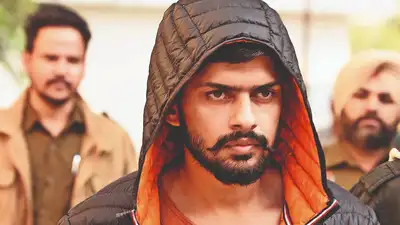
The Lawrence Bishnoi gang uses social media to claim responsibility for crimes, aiding law enforcement investigations
NEW DELHI: When the Lawrence Bishnoi group released a social media screenshot claiming responsibility for the attack on actor Tiger Shroff, to the casual observer, it was just a badge of digital infamy. You Can Also Check: Gold Rate in Delhi | Silver Rate in Delhi | Bank Holidays in Delhi | Public Holidays in Delhi | Delhi AQI | Weather in Delhi | Petrol Price in Delhi | Diesel Price in Delhi | CNG Price in Delhi | LPG Price in Delhi Stay updated with the latest Delhi news.
Anil Pandit branded himself as ‘Anil Pandit USA’ on social media to lure impressionable young recruits with the “American dream”. “They weave a narrative of camaraderie through hashtags and evocative tributes honoring fallen associates killed in police encounters or gang rivalries, often accompanied by emotional catchphrases like ‘salam shahida nu'” a source pointed out. However, to investigators it was, like always, an opportunity to scan for hidden clues within an open-source intelligence map authored by the criminals themselves. The Lawrence group is considered a pioneer in owning up to crimes through online press releases. Abandoning the underworld’s traditional code of secrecy, the gang weaponised performative violence, broadcasting screenshots within an hour of a hit. At times, they are accompanied by point-of-view videos of the shootings too. Lately, however, the ‘USA’ suffix has mysteriously vanished from his profile handle, prompting investigators to wonder if the shift stems from pressure exerted by the FBI’s Operation Hardball or indicates an evasion tactic as he changes hideouts. Many others embed their geographical jurisdiction directly into their handles – Fateh Portugal, Sam Canada, Manna Brampton, Mandy Spain, and X Australia are a few cases in point. Beyond serving as intelligence goldmines, these posts fulfil a psychological purpose, operating as digital shrines of friendship and loyalty tailored specifically for Gen Z recruits. Download the TOI App.
A screenshot released last year, for instance, mentioned a mysterious name, Tyson Bishnoi, whose actual identity continues to be a mystery. Aarzoo Bishnoi was another such member introduced through posts.
It had a hashtag of a Delhi-based gang, “Gogi-Maan group”. The names, for example, expose the possible locations of key henchmen who use location-tagged monikers as digital status symbols,” said an investigator. When the syndicate posts these cyber-manifestoes following a high-profile strike, it offers an unfiltered window into the inner workings of the gang, officials say. In the Mumbai case, for example, it provided the cops many leads to start with. It mentioned three names — Anmol Bishnoi, Anil Pandit and Harman Sandhu. Incidentally, in the next few days, multiple arrests were made in the case from the two places as cops followed up with the leads on Anil Pandit’s network. The gang also claimed that Tiger ignored warnings, prompting cops to to dig in to the call and IP records besides recee angles. Sometimes, the posts introduce new gang members too. Beyond announcements, these uploads also double as digital press releases for internal promotions, newly forged alliances, or brewing rivalries through hashtags. “These are meticulously curated propaganda tool machines where every name and hashtag holds a tip.