
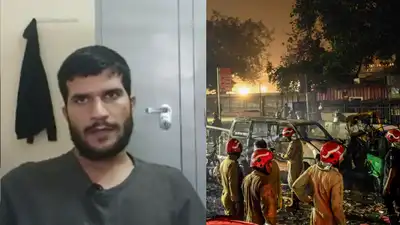
The National Investigation Agency filed a charge sheet detailing the Red Fort vehicle-borne IED attack.
CCTV footage captured him attempting to park at 6.37pm, after which he took a U-turn and reached near Gate No. 4 of Red Fort, where he triggered the IED at 6.50pm. NEW DELHI: On Nov 10 last year, 13 minutes before the explosive-laden i20 exploded near Red Fort, bomber Umar-un-Nabi tried to park the car near ‘Lal Mandir’ in Chandni Chowk — suggesting it was the first target — but was diverted due to heavy traffic and police presence there.
NIA found that on Oct 30, Umar met an acquaintance behind Al Falah hospital, gave him his room key and asked him to bring his “shoes” from the almirah in the room. He was visibly distressed as J&K police had raided the module by then,” said the chargesheet. “He was already wearing his shoes at the time.
The blast, the chargesheet said, led to the death of 11 people and injuries to 29. Damage to the nearby structures amounted to Rs 17.7 lakh, as assessed by authorities like DMRC, ASI and PWD, it added. The chargesheet provides extensive details of the planning and execution of the first-ever vehicle-borne IED (VBIED) attack reported in the national capital.
The post-mortem reports of the victims furnished by the hospital ascertain the cause of death to be “high-intensity blast wave effect”. The details are part of the chargesheet recently filed by National Investigation Agency (NIA) in connection with the Red Fort blast.