
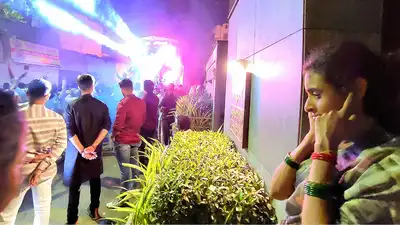
Noise pollution complaints in Delhi have risen significantly this year.
NEW DELHI: Long after midnight, when residential neighbourhoods are expected to fall silent, loudspeakers, DJ systems and other sources of noise continue to keep many Delhi residents awake. An analysis of noise pollution complaints filed this year points to both rising disturbances and a growing readiness among citizens to report violations.
Between Jan and July 2026, authorities registered 25,466 noise pollution complaints through the ERSS-112 emergency response system, dedicated helplines and civic web portals, a 6.1% increase from the 23,999 complaints recorded during the same period last year. Complaints related to loudspeakers and DJ systems operating during restricted hours between 10 pm and 6 am rose from 16,539 in 2025 to 17,619 this year. These violations alone accounted for more than 69% of all noise complaints recorded during the seven-month period. When complaints related to loudspeakers and DJs operating during daytime hours are added, the total rises to 21,093 complaints in 2026. In effect, amplified music accounted for more than eight out of every 10 noise complaints filed by residents. Complaints concerning the use of 5 kVA generator sets in residential areas during night hours surged by 51.7%, rising from 338 cases in 2025 to 513 this year. Complaints regarding modified exhausts and silencers increased by 62.5%, rising from 32 to 52, while complaints related to firecrackers rose from 200 to 273, an increase of 36.5%. Complaints relating to construction activities and marble-cutting machines in residential areas fell by 28%, from 730 in 2025 to 525 this year. Similarly, reports concerning noise from religious places also registered a marginal decline, from 217 to 203. The ERSS-112 emergency response system emerged as the preferred platform, accounting for 91% of all complaints. Calls to ERSS-112 increased by 10%, growing from 20,990 in 2025 to 23,151 in 2026. Dedicated noise helplines saw their usage plummet by 15%, dropping to 1,462 complaints, whereas last year it was 1,731, while submissions through the web portal witnessed a steep 33% decline, falling from 1,278 to just 853.
You Can Also Check: Gold Rate in Delhi | Silver Rate in Delhi | Bank Holidays in Delhi | Public Holidays in Delhi | Delhi AQI | Weather in Delhi | Petrol Price in Delhi | Diesel Price in Delhi | CNG Price in Delhi | LPG Price in Delhi Stay updated with the latest Delhi news. This steady upward trajectory suggests not only an overall increase in environmental noise but also a growing public awareness and an active willingness to demand the strict enforcement of noise regulations in residential zones. Late-night celebrations, parties and events remain the biggest source of disturbance, the figures indicate. The data also indicates shifts in other components of Delhi’s urban soundscape. This sharp uptick points to the collateral auditory impact of localised power outages, as neighbourhoods increasingly rely on noisy backup power solutions to make it through the night. Vehicular noise also emerged as a growing concern. There were, however, some signs of improvement. This decline could indicate improved compliance with civic construction guidelines or a general slowdown in residential renovations. Equally revealing is the way citizens are reporting such disturbances. In stark contrast, citizens are rapidly abandoning alternative reporting methods. The trend suggests that residents increasingly view noise pollution, particularly late-night disturbances, as an issue requiring immediate intervention rather than a routine civic grievance. As Delhi grows denser, the data serves as a barometer of both rising public intolerance towards noise violations and growing expectations of stricter enforcement of regulations intended to protect residential peace and quality of life. Download the TOI App.