
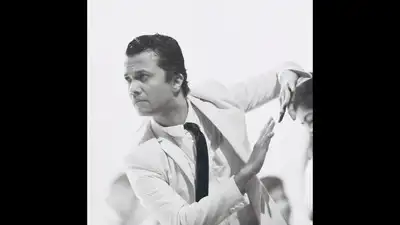
After 25 years as a theatre artiste, Ranji David has turned to cinema as another medium for creative exploration. His 40-minute black-and-white Kannada film, inspired by Italian painter Antonio Mancini, took shape during the pandemic when a planned play on painter Sadanand Bakre was put on hold.
“I realised that I could actually begin working with film as a medium,” he recalls. Around the same time, working on a short film changed how he saw cinema.
Drawn to Mancini’s story of an artist retreating into an imaginary world, Ranji says he was intrigued by “an artist obsessed with his work and struggling with mental health. “Filmmakers are becoming more aware by watching the kind of stuff that’s happening outside Karnataka, primarily through OTT platforms,” he says. They live longer than the makers themselves and go into history sooner,” he says.
In a chat with Bangalore Times , Ranji sheds light on his journey from theatre to cinema, the changing Kannada film landscape and why creative exploration matters more than fame or money. Excerpts: Rather than recreate Italy, Ranji set the story in rural Karnataka. A village he discovered through one of his theatre actors became the film’s location. The decision to shoot in black and white came naturally. “Since the story was set around the 1930s, I felt black and white would work. There was something very rural and rustic about it,” he shares. For Ranji, a significant change is taking place in the wider Kannada film space, with short and independent films giving filmmakers more room to experiment. With world cinema now easily accessible, he believes filmmakers have a greater responsibility to learn and evolve. As a filmmaker, it is your homework to go online, watch, educate yourself, understand and thereby improve the quality of your own filmmaking. He sees short films and festivals as an important part of this shift, helping audiences discover work beyond the mainstream. One of the biggest lessons Ranji has taken from making his first film is the longevity of the medium. “In theatre, you do a play in three or four months and maybe do three or four shows. Then it’s over, but films last longer. The experience has encouraged him to explore cinema further, with plans for more black-and-white films and eventually a feature. But the rewards of filmmaking remain secondary to the process. “Name, fame and money are secondary. As an artist, the most important thing is creative exploration. That is the greatest high we get as artists,” he adds.
“Today, everything is at your fingertips.