
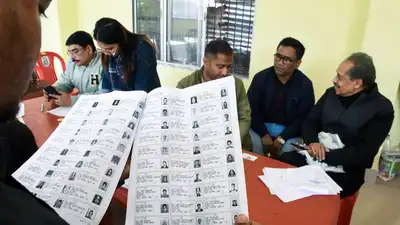
The special intensive revision of electoral rolls in Karnataka resulted in a reduction of 99.76 lakh electors
Chief Electoral Officer Anbu Kumar said: “The net deletions from the list are about 73 lakh, considering only shifted and absent electors While the overall decline after SIR is of nearly 18%. The rest, about 27 lakh electors are categorised dead, duplicate or refused to sign. The largest category among electors whose enumeration forms were not submitted was those who had permanently shifted residence, accounting for 65.45 lakh of the 1.08 crore electors left out of the draft rolls. The second-largest category was absent electors, at 19 lakh.
This category includes electors who also refused to sign documents, according to the CEO’s explanation. He said these included foreign nationals. “While it is hard to say how many of the ASDD-categorised electors came back to the final list, there have been about 8.19 lakh net additions after the draft rolls,” Kumar said.
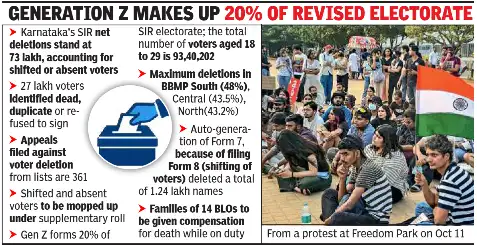
Chief electoral officer Anbu Kumar said election officials had not generated Form 7 suo motu.
Responding to allegations of bulk applications under Form 7, including forms generated in the names of Electoral Registration Officers (EROs) and Assistant EROs, Kumar said none of the bulk applications had been accepted by the ECI, either online or offline.
Form 7 was generated on the basis of speaking orders. deletions and modifications under Forms 6, 6A, 7 and 8 were received within the deadline, the CEO said more than 21 lakh applications were processed for the SIR exercise While 19.5 lakh applications for additions. This included an additional 89,570 Form 6 applications and 1.29 lakh Form 7 applications.
Asked why the reason for deletion was left blank in cases where Form 7 applications were filed by EROs and AEROs, Kumar said electors had been marked “ineligible” by officials concerned on grounds relating to citizenship or other eligibility criteria, following verification during the notice and hearing phase.