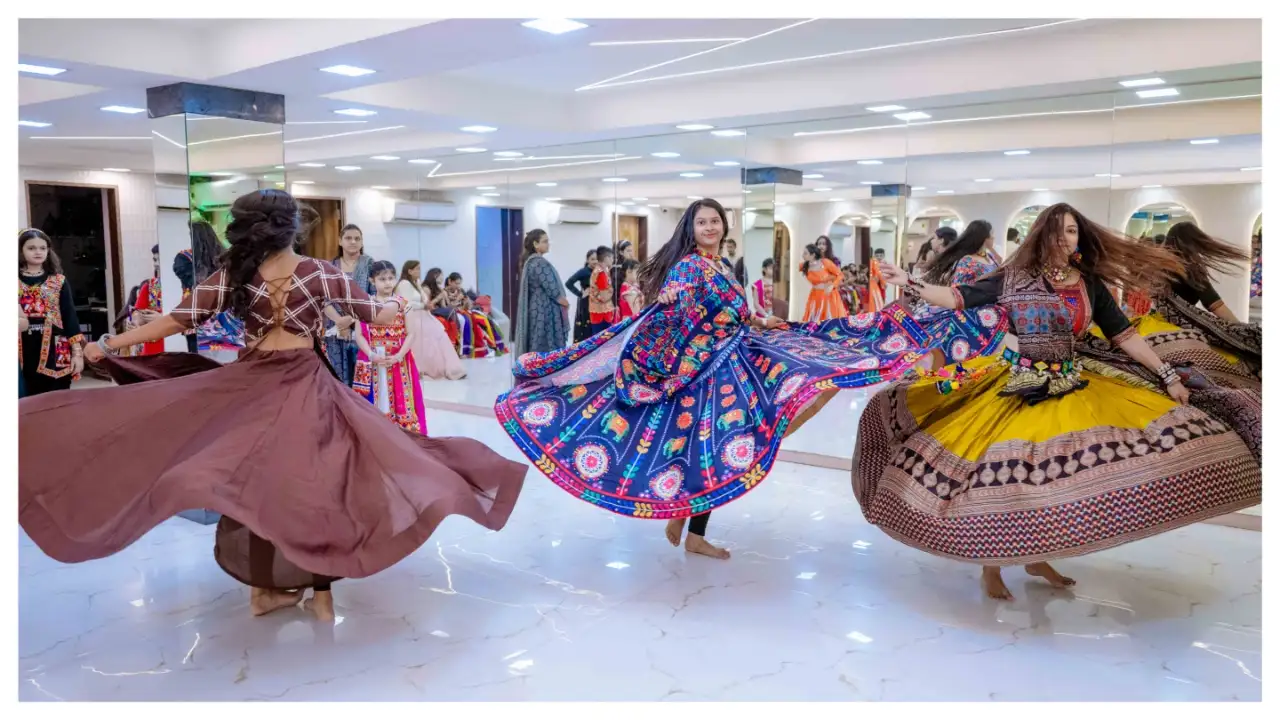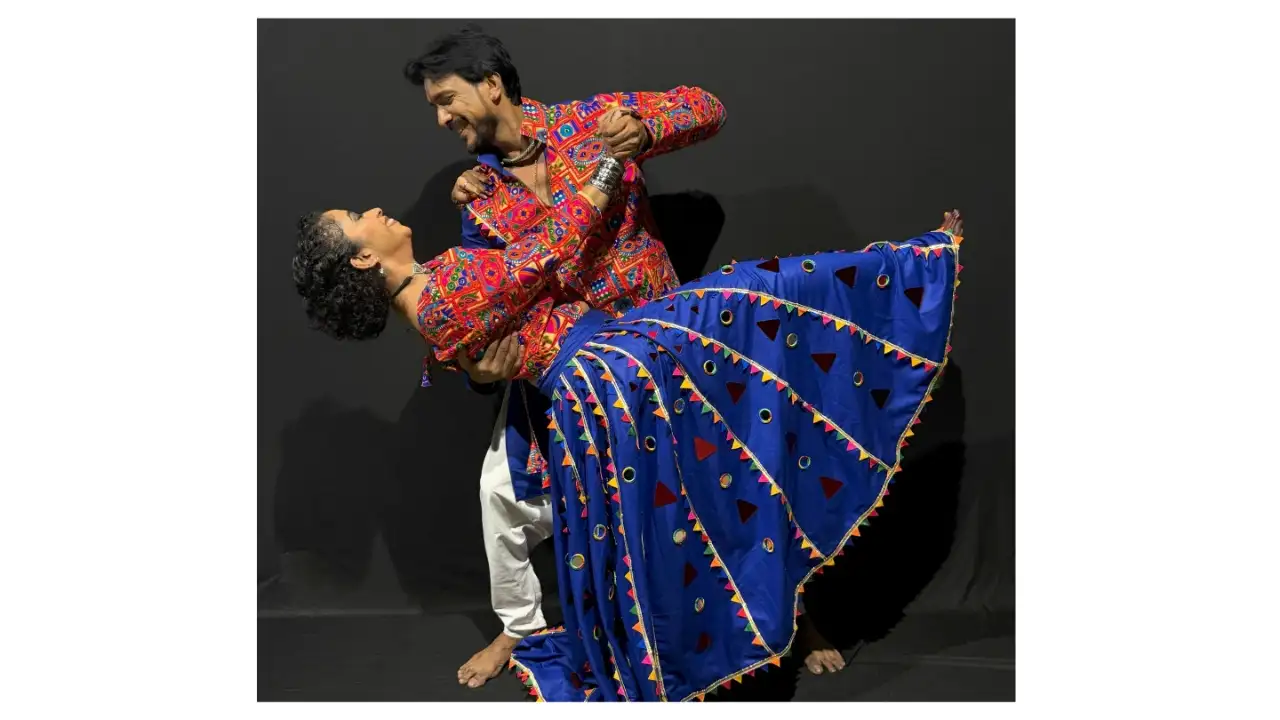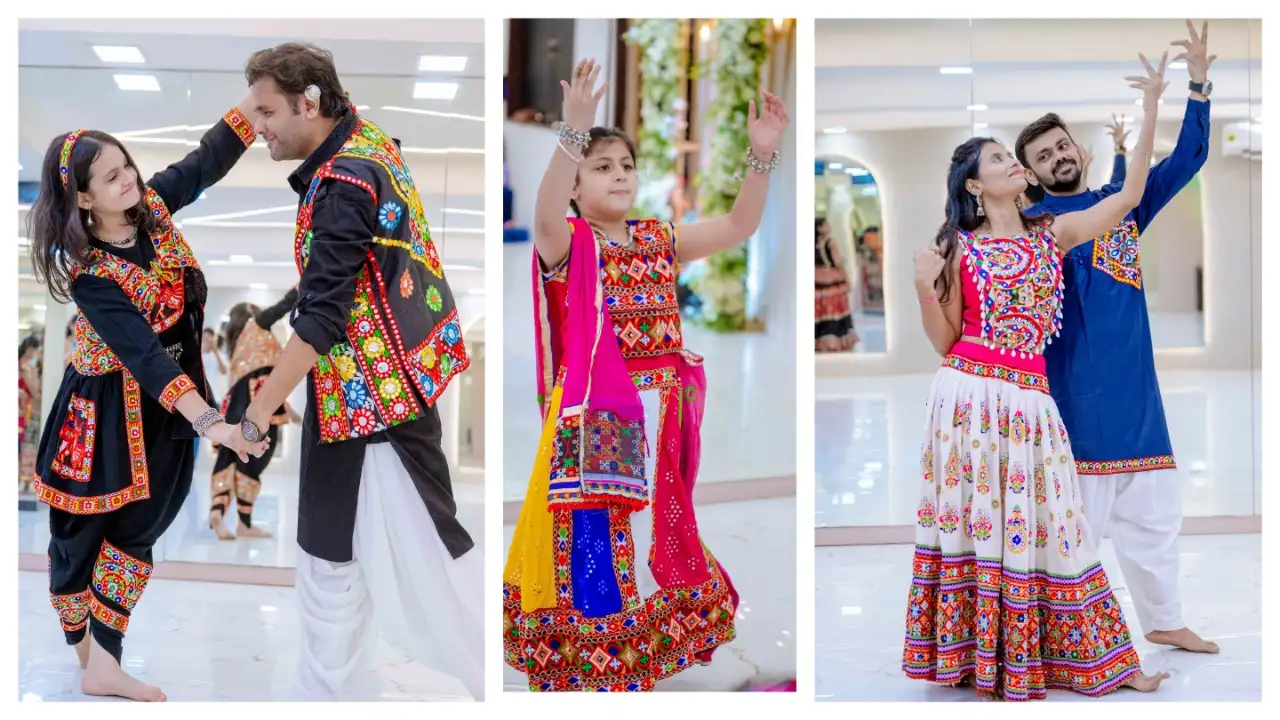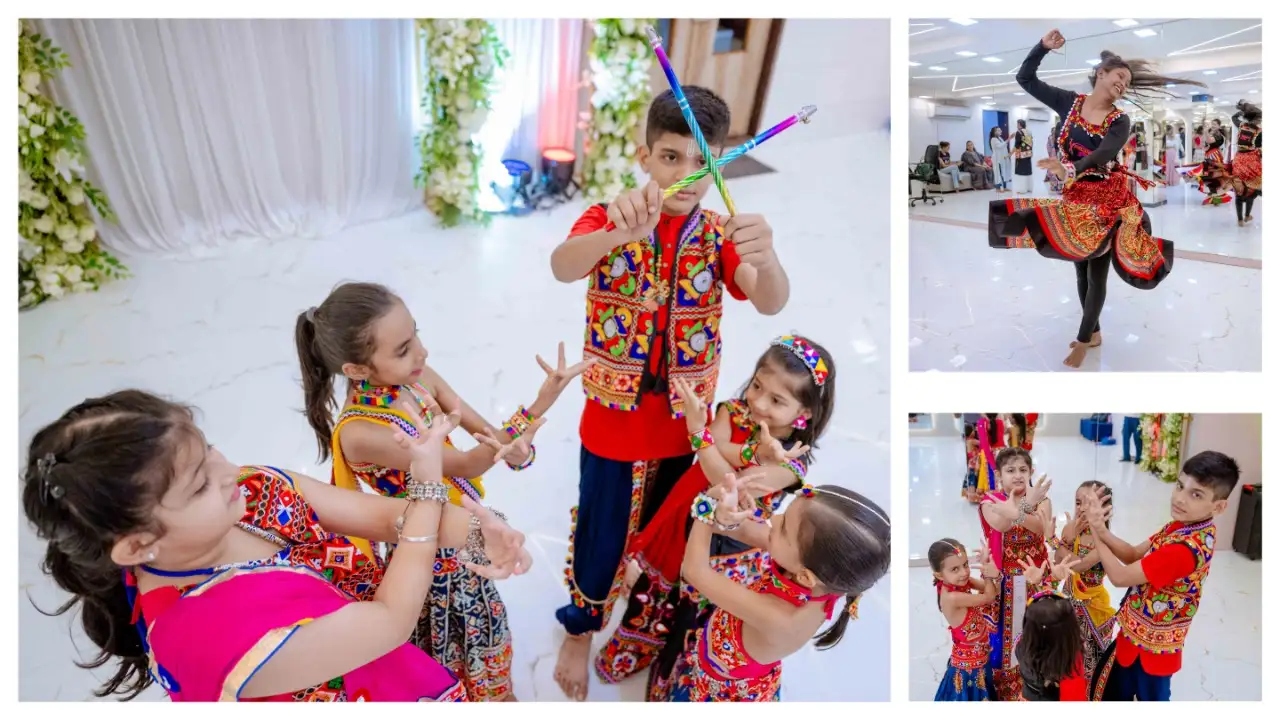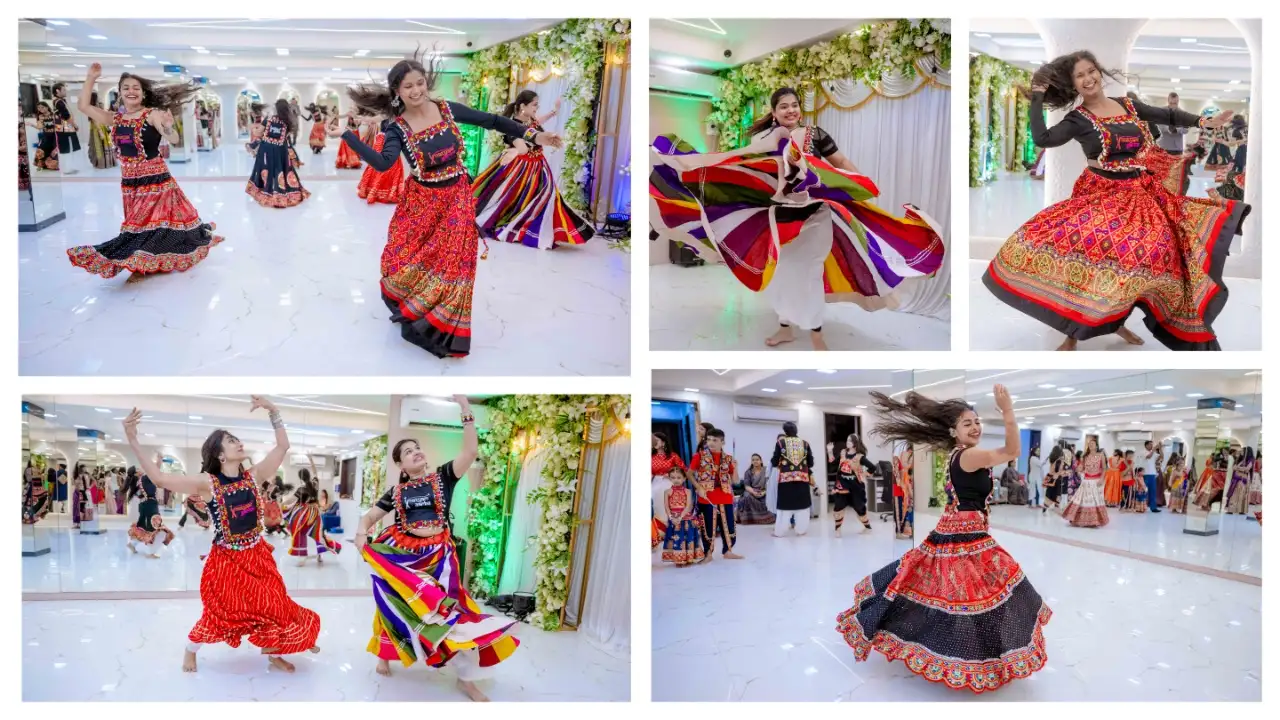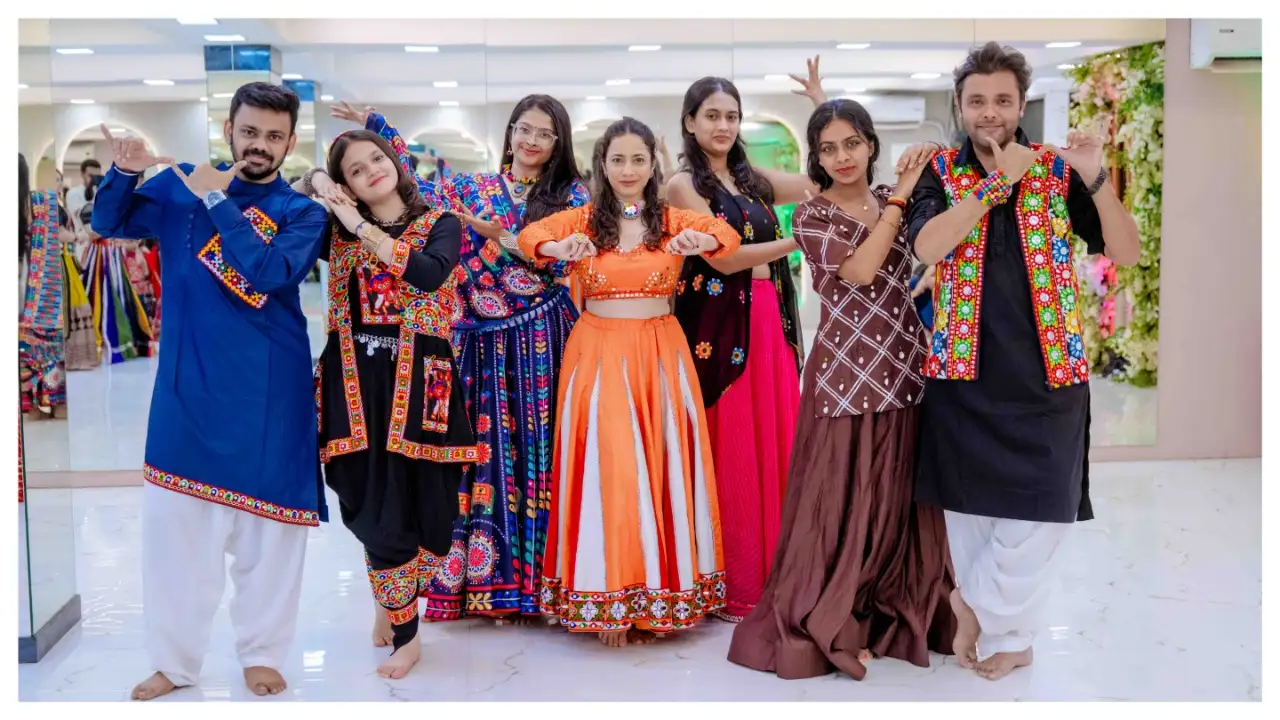
Garba enthusiasts in Mumbai are signing up for classes ahead of Navratri 2026 to learn traditional and contemporary dance forms. There is a growing popularity for crash courses due to busy lifestyles and time constraints. Many young people are focusing on mastering the fundamentals of Garba instead of just following along. Instructors emphasize the importance of rhythm and controlled movements over speed.
With Navratri 2026 around the corner, Garba classes across Mumbai are seeing enthusiasts sign up for crash courses and longer workshops to get their steps, rhythm and spins right. We are therefore seeing more students ask for basic training before they learn the flashy moves. Garba Factory, Malad Omkar Dandiya Garba Class, Andheri Rangtall Garba Class, Kandivli Folktastic, Andheri RD Garba, Dadar Dharmesh Dance Studio, Mulund Thangaat Garba, Multiple locations Dipti Vohra Garba Class, Thane Rasleela, Malad NatyamGarba, Mulund Soni School of Garba, Thane You Can Also Check: Gold Rate in Mumbai | Silver Rate in Mumbai | Bank Holidays in Mumbai | Public Holidays in Mumbai | Mumbai AQI | Weather in Mumbai | Petrol Price in Mumbai | Diesel Price in Mumbai | CNG Price in Mumbai | LPG Price in Mumbai Stay updated with the latest Mumbai news.
“I’m deliberately learning only traditional Garba this year,” says Andheri resident Rhea Shah, who has enrolled in a workshop ahead of Navratri. Choreographer Kirit Helia, founder-director of a Garba institute in Malad West, says he has noticed a similar shift. “We are teaching steps such as Teen Taali, Hinch, Popat and Dakla, along with spins, barrels, couple Garba, Dandiya,” adds Kirit. “I’ve been attending Garba nights for years, but this is the first time I’m actually taking classes,” says Borivali-based finance professional Nishant Somaiya. “Everyone wants the fastest steps because they look impressive on Instagram,” says instructor Pooja Dedhia. “I’m not looking to become an expert,” laughs Ghatkopar-based marketing professional Sohnal Kapadia. “I’m learning the traditional steps first because I don’t want my Garba to look like random Bollywood dancing,” says 24-year-old Ishita Shah from Malad.
Studios are catering to everyone from complete beginners to experienced dancers, with lessons ranging from traditional Garba fundamentals to contemporary choreography. The trend is particularly visible among younger Mumbaikars, many of whom are no longer content with simply joining the circle and following the crowd. They want to know the steps, master formations and, at some of the city’s large-scale events, compete for prizes. there is also a growing interest in learning Garba in its traditional form While contemporary choreography and Bollywood-inspired moves continue to find takers. “I don’t want to mix too many Bollywood steps into it. I want to master basic footwork, rhythm and different traditional patterns properly. Once you know the foundation, you can always experiment. “This year Gen Z Garba enthusiasts, who love high-energy music and exciting movements, are also looking at experiencing traditional Garba. There are new trends and movements, but traditional Garba is timeless and has a major pull. Dance instructors are also emphasizing the importance of getting the basics right. For some enthusiasts, that means going beyond learning a few moves from Instagram reels. “I realised I was just copying the person in front of me. This year I want to understand why we are doing a particular step and how the rhythm changes. For Mulund West-based business management professional and multi-genre dance enthusiast Kunal Momaiya, Garba combines fitness and devotion. “I feel Garba is the only festival that is for fitness and bhakti. Two months before Navratri, I join classes to rehearse my steps and prepare. I also grow my hair longer and take care of my fitness. One of the biggest lessons emerging from this year’s classes is that speed alone does not make a good Garba dancer. Instructors are focusing on rhythm, posture, expressions, grace and controlled movement, while cautioning beginners against rushing into complicated spins and fast choreography. “But Garba is about rhythm and control. If your footwork is wrong, doing it faster only makes the mistake bigger. Not everyone has months to prepare. Mumbai’s packed work schedules have created a demand for short-format workshops, with some classes offering weekend or multi-day programmes for those looking to get festival-ready quickly. “I just want to walk into the Garba ground without worrying that I’m doing the wrong steps. Two weekends of practice is my realistic commitment. For the more committed, however, instructors point out that genuine proficiency takes considerably longer than a pre-Navratri crash course. Regular practice is essential for developing control, technique and a deeper understanding of the form. The interesting shift this year is that traditional Garba and social-media-friendly choreography are not necessarily competing with each other. For many young Mumbaikars, they are part of the same experience. “But yes, I also want to learn the dramatic spins and formations. If I’m going to spend nine nights dancing, I want to enjoy all of it. And that perhaps explains the current Garba classroom: one foot firmly rooted in tradition, the other already preparing for the spotlight. Download the TOI App.