
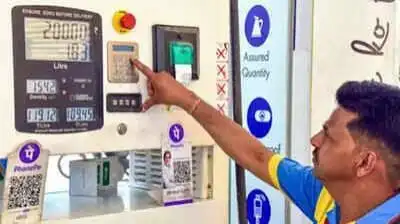
Mumbai’s CNG fleet includes around 4.7 lakh autorickshaws, 1.6 lakh taxis and over 5 lakh private cars, among other vehicles including buses
You Can Also Check: Gold Rate in Mumbai | Silver Rate in Mumbai | Bank Holidays in Mumbai | Public Holidays in Mumbai | Mumbai AQI | Weather in Mumbai | Petrol Price in Mumbai | Diesel Price in Mumbai | CNG Price in Mumbai | LPG Price in Mumbai Stay updated with the latest Mumbai news.
“The company reiterates its commitment to offer clean energy solutions, emphasizing that it continues to actively explore cost-optimisation avenues to minimize the impact on consumers and support the ongoing transition toward environmentally friendly fuels,” the official added. Mumbai: A fresh one rupee per kg increase in CNG prices across the Mumbai Metropolitan Region (MMR) from Sunday has triggered sharp criticism from autorickshaw and taxi unions, which say the steady rise in fuel costs is eroding their earnings and burdening public transport operators. There is no hike in piped cooking gas rate. Despite the marginal upward revision, MGL reaffirmed its focus on customer value and sustainability. Download the TOI App.
With the latest revision, the retail price of CNG has gone up from Rs 89 per kg to 90, marking the sixth increase since April. The hike follows a Rs 2 per kg increase implemented on Sept 1, when minimum autorickshaw fares were raised from Rs 26 to Rs 27 and another rupee hike on October 1. The city’s CNG The fleet includes around 4.7 lakh autorickshaws, 1.6 lakh taxis and over 5 lakh private cars, among other vehicles including buses, highlighting the region’s growing dependence on CNG for daily mobility.
Mumbai Rickshawmen’s Union leader Thampy Kurien said unions were opposed to the latest increase. The benefit of the recent fare revision will be wiped out by rising fuel costs,” Kurien said. Said a MGL official : “The price adjustment comes in the wake of escalating input costs triggered by external market dynamics. The one rupee per kg price revision is a measured step intended to partially offset these rising input costs while ensuring an uninterrupted, sustained supply of CNG across its retail network, according to MGL.
“There has been a series of hikes over the past seven months and this has put an additional burden on autorickshaw and taxi drivers. The ongoing crisis in the Middle East has driven up international benchmarks, resulting in a steep rise in the prices of both domestically produced and imported Re-gasified Liquefied Natural Gas (RLNG). Additionally, a reduced allocation of lower-cost domestic gas has forced MGL to rely more heavily on high-cost imported energy sources, significantly increasing overall gas procurement expenses. Detailed location-wise pricing for all operating geographies is available on MGL’s official website.