
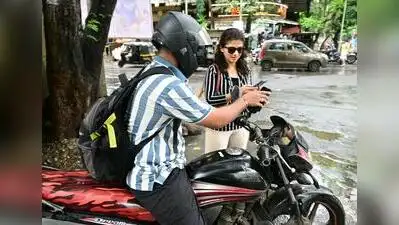
The state government is moving towards legalising bike taxis, with operators expected to pay a daily licence fee and contribute a share of each fare to a welfare fund
“With fares starting at around Rs 10 per km, compared with an average of Rs 18 for autorickshaws and even higher fares for app-based cabs, the financial appeal is equally strong,” said a media professional from Nariman Point. “In South Mumbai, I’ve used bike taxis several times to go from college to the station or meet friends,” said undergraduate student Shriya Narayan. “I’ve travelled several times by bike taxi and never received a helmet,” said rider Akshita Bhat. Experts said the incidents should serve as a wake-up call as the sector expands. “Bike Pink is more about making mobility more inclusive and enabling more women to choose rides with women captains,” a Rapido spokesperson said. Sources in bike taxi firms said that the fares were based on demand-supply formula. I don’t mind a male rider when it gets me to my destination safely and on time,” she said.
Many commuters complain that captains rarely provide helmets to pillion riders, despite double helmets being mandatory under Mumbai’s traffic rules and required under the proposed bike taxi framework. “With potholes and unpredictable traffic, it is a risk. Meanwhile, companies such as Rapido are promoting women-focused initiatives like Bike Pink, which deploys female captains exclusively for women passengers. A few women complained why the Bike Pink was slightly expensive than the normal bike taxi. For frequent rider Neha Gupta, the attraction goes beyond economics. “It’s quick, readily available and honestly quite enjoyable.
Safety concerns have intensified following a handful of accidents involving bike taxis, including a fatal Navi Mumbai crash last year and another serious accident in Worli earlier this year.
The state government is now moving towards legalising bike taxis, with operators expected to pay a daily licence fee and contribute a share of each fare to a welfare fund. The momentum behind two-wheelers is gaining high-level policy backing as well. Union Road Transport Minister Nitin Gadkari recently advocated strongly for the sector, urging state governments to allow private two-wheeler owners to operate bike taxis. Pointing to the massive economic upside, Gadkari noted that liberalising bike taxi rules could unlock livelihood opportunities for nearly eight crore people, particularly across rural and semi-urban belts.