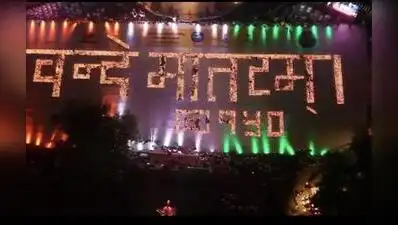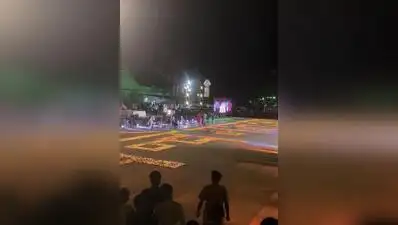
A sea of 38,233 diyas illuminates Shaniwar Wada, spelling Vande Mataram as Pune celebrates its Guinness World Record for largest oil lamp sentence Screenshot
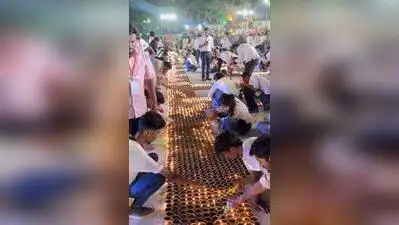
A sea of 38,233 diyas illuminates Shaniwar Wada, spelling Vande Mataram as Pune celebrates its Guinness World Record for largest oil lamp sentence Screenshot A sea of 38,233 diyas illuminates Shaniwar Wada, spelling Vande Mataram as Pune celebrates its Guinness World Record for largest oil lamp sentence Screenshot A sea of 38,233 diyas illuminates Shaniwar Wada, spelling Vande Mataram as Pune celebrates its Guinness World Record for largest oil lamp sentence Screenshot A sea of 38,233 diyas illuminates Shaniwar Wada, spelling Vande Mataram as Pune celebrates its Guinness World Record for largest oil lamp sentence Screenshot A sea of 38,233 diyas illuminates Shaniwar Wada, spelling Vande Mataram as Pune celebrates its Guinness World Record for largest oil lamp sentence Screenshot A sea of 38,233 diyas illuminates Shaniwar Wada, spelling Vande Mataram as Pune celebrates its Guinness World Record for largest oil lamp sentence Screenshot A sea of 38,233 diyas illuminates Shaniwar Wada, spelling Vande Mataram as Pune celebrates its Guinness World Record for largest oil lamp sentence Screenshot A sea of 38,233 diyas illuminates Shaniwar Wada, spelling Vande Mataram as Pune celebrates its Guinness World Record for largest oil lamp sentence Screenshot Pune: Shaniwarwada became a canvas of light on Saturday evening as 38,233 earthen diyas illuminated its premises, spelling out ‘ Vande Mataram ’ and earning Pune a place in Guinness World Records for the largest oil lamp sentence. Organised by Pune Municipal Corporation (PMC) under the theme ‘Sanman Rashtragitacha, Abhiman Punekaranchya’ (Honour for the National Song, Pride of Pune), Diwali Deepotsav marked 150 years of Vande Mataram. The lamps were lit within 30 minutes, surpassing the civic body’s target of over 36,000 diyas. Over 250 young volunteers helped execute the carefully planned arrangement in the courtyard. The previous record was held by Chandrapur, where volunteers lit 33,258 diyas on Jan 20, 2024, arranging them to spell ‘Siyavar Ramchandra Ki Jai’ in Devanagari to mark the inauguration of Ram Mandir.
The achievement was officially confirmed at the venue by Guinness World Records adjudicator Swapnil Dangarikar, who inspected the arrangement and lighting before announcing the record and presenting the certificate to mayor Manjusha Nagpure and PMC commissioner Naval Kishore Ram. Fifty mothers and wives of soldiers who lost their lives in service to the country were felicitated at the event. You Can Also Check: Gold Rate in Pune | Silver Rate in Pune | Bank Holidays in Pune | Public Holidays in Pune | Petrol Price in Pune | Diesel Price in Pune | CNG Price in Pune | LPG Price in Pune Stay updated with the latest Pune news.
“Through the light of the diyas, Pune has conveyed a message of national unity, gratitude and pride to the world,” said Nagpure. As the adjudicator announced the result, the announcement was met with loud applause, cheers and chants of “Vande Mataram” and “Bharat Mata Ki Jai”. Thousands gathered to witness the spectacle. Nagpure, who conceptualised the initiative, described the achievement as more than a world record, calling it a tribute to the national song and the sacrifices of the armed forces. Photographs and videos of the elaborate diya formation have since begun circulating widely on social media, with citizens sharing the spectacle across WhatsApp groups. The evening also carried an emotional significance. The ceremony included addresses by military officers and public representatives, highlighting the contribution and sacrifices of the armed forces. Eleven students from Abhinav Vidyalaya also sang Vande Mataram, adding to the commemorative character of the programme. Union minister of state Murlidhar Mohol, Maharashtra ministers Chandrakant Patil and Madhuri Misal, MLA Hemant Rasane, deputy mayor Parshuram Wadekar and senior military officers were among those present. Download the TOI App.