
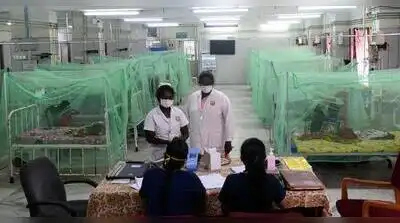
dengue cases rise in TN
Chennai: Tamil Nadu has recorded 16,334 dengue cases and nine deaths between Jan 1 and Sept 16 this year. The state had recorded 15,688 dengue cases and 13 deaths between Jan and Sept 2025, while 2024 saw 34,339 cases and 13 deaths during the same period. The city has recorded 3,404 fever cases in two weeks, with hospitals reporting surge in outpatients seeking treatment. In Aug, fever cases reported was 4,520. From Sept 1 to 16, numbers have crossed 3,000. We have intensified fever-control measures for which 3,697 workers have been engaged.
Health department said rise in cases is not abnormal compared with corresponding period last year. Officials said the figures do not indicate an unusual or alarming spread of dengue and that seasonal fluctuations in cases are expected during the monsoon . Cases rise with changes in weather that create favourable breeding conditions for Aedes mosquitoes, which transmit the disease, said Dr A Somasundaram, director of public health and preventive medicine. We have intensified surveillance and preventive measures across TN,” he said. Fever surveillance has also been strengthened at hospitals and through house-to-house visits by health workers to identify cases at community level,” said GCC commissioner GS Sameeran. Doctors said symptoms include fever, body ache, muscle pain, fatigue and headache. “Since last month, we saw more than 3,000 people with fever, of whom around 150 had dengue,” said Dr Prabha G, senior consultant, general medicine of SRM Prime Hospital.
“We see increased breeding between Oct and Dec. “Officials have been deployed to coordinate prevention and control activities, while campaigns are being conducted to educate the public about preventing mosquito breeding. The health department is coordinating with other departments to implement preventive measures,” he added. “Primary health centres have sufficient stocks of medicines.